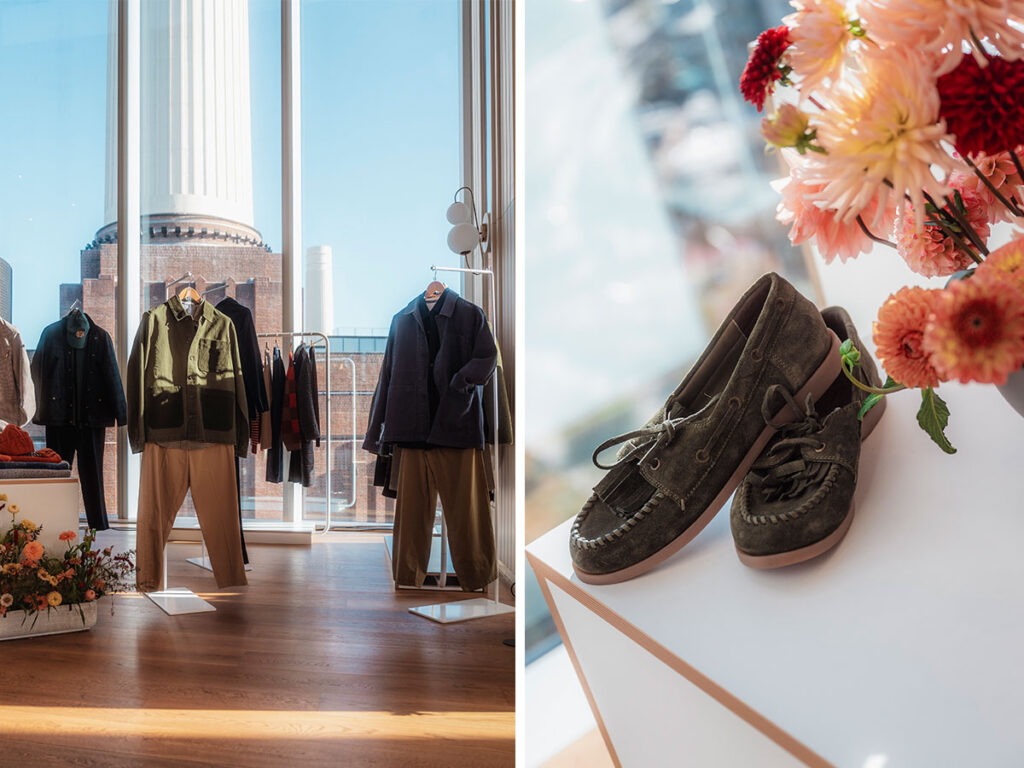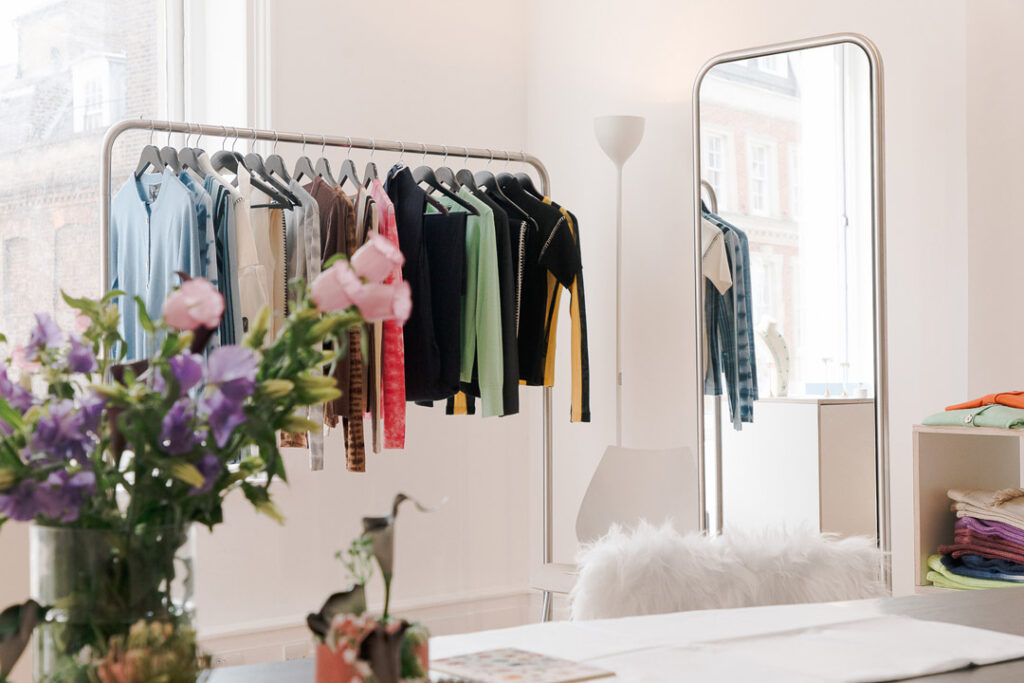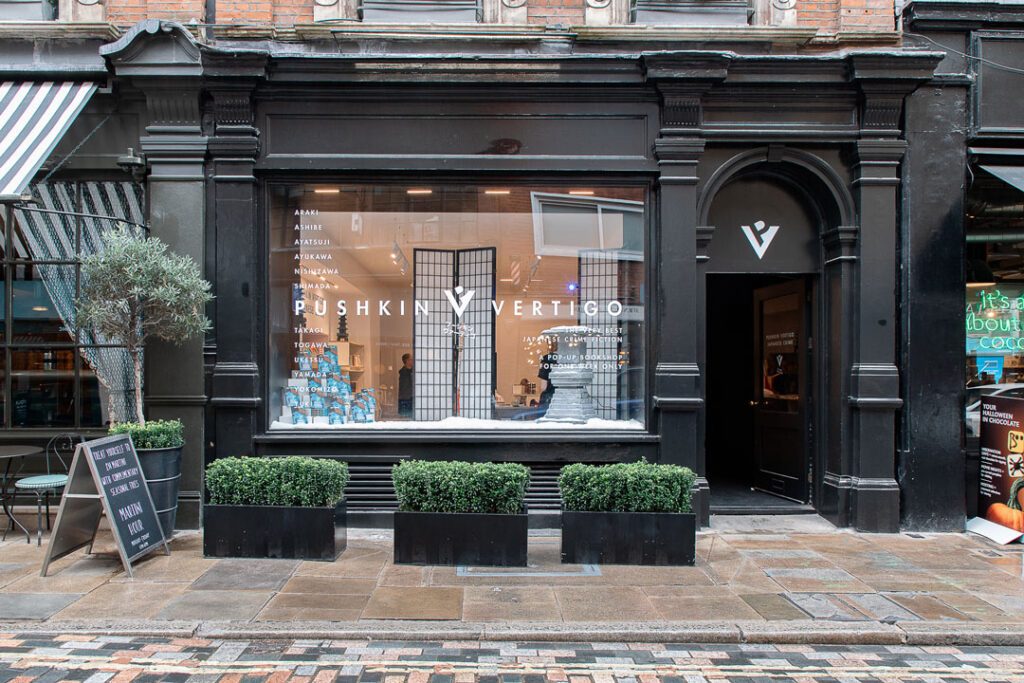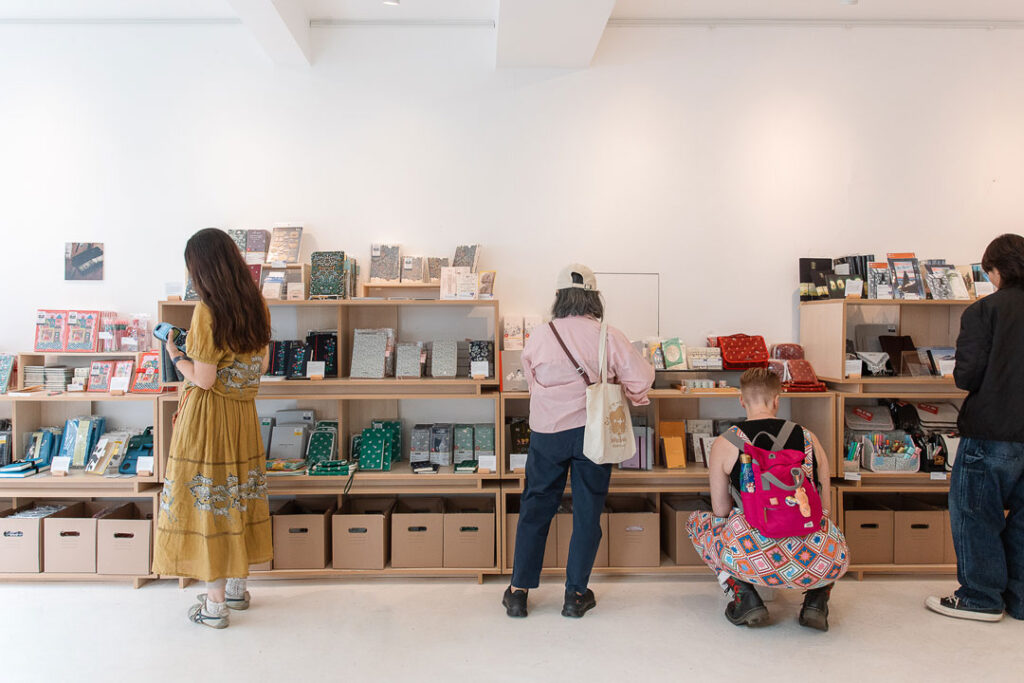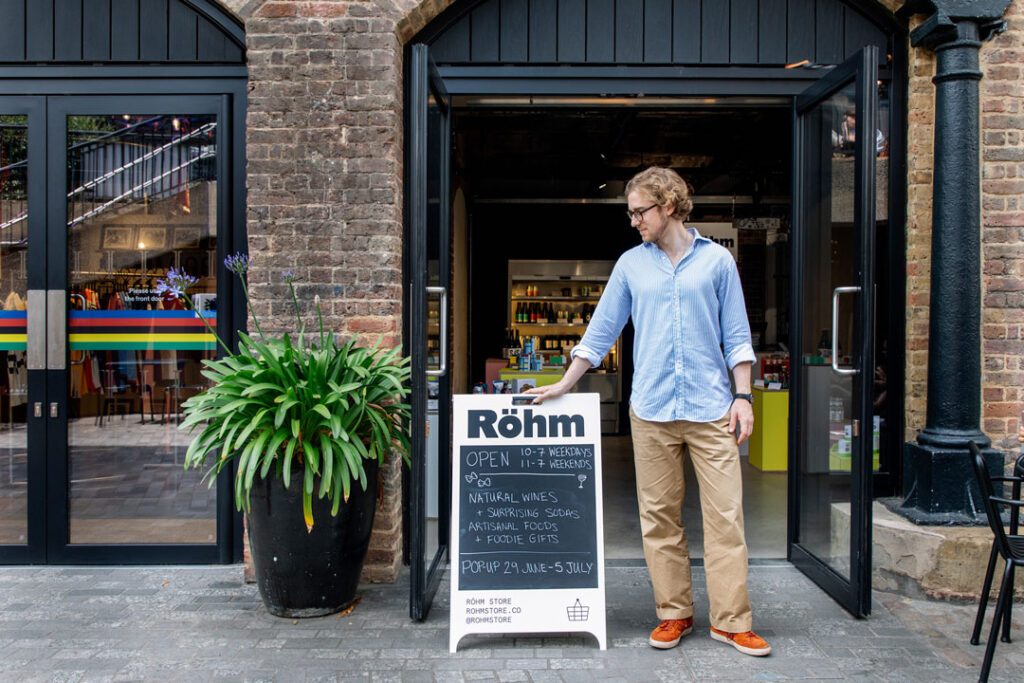
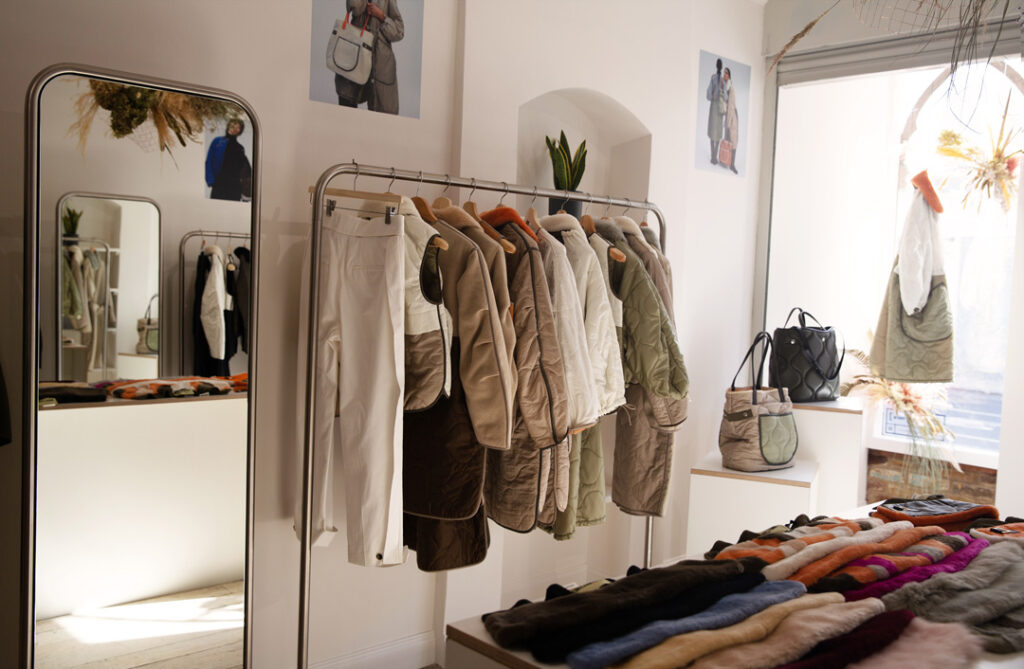
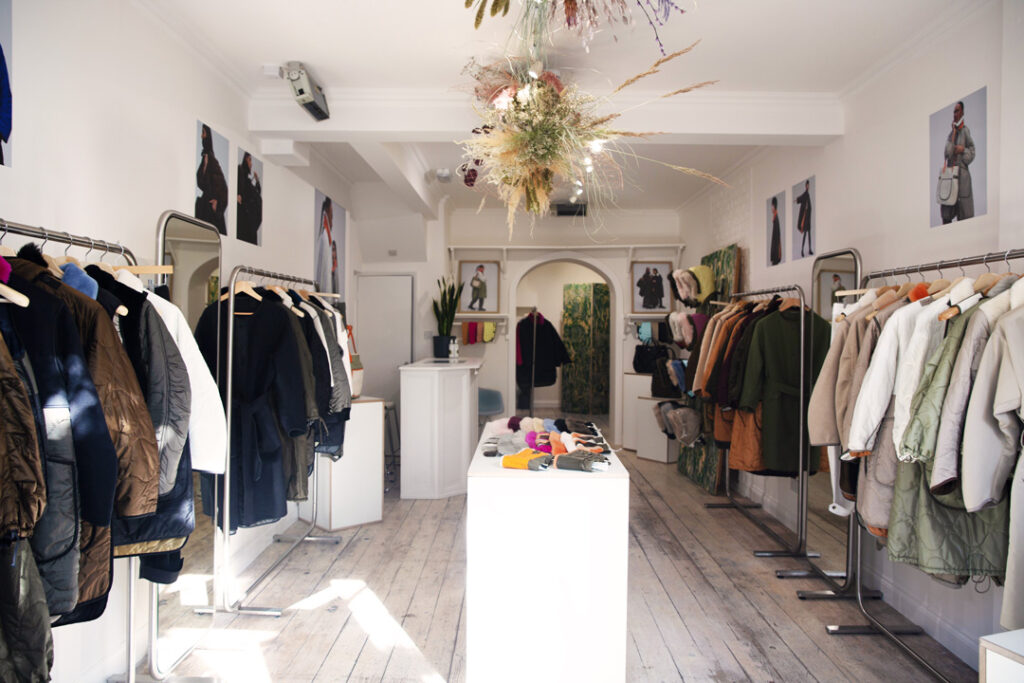
Featured photos of Marfa Stance
Peak pop-up season is a prime opportunity for retailers to captivate customers and drive sales. A well-designed custom showroom can harness increased footfall, attracting shoppers and boosting revenue. With strategic planning and creativity, you can craft a space that immerses customers in the holiday spirit, making your brand stand out.
A holiday pop-up shop offers a strategic way to reduce customer acquisition costs while boosting brand visibility and engagement. Compared to online channels, a physical pop-up allows for direct interaction with customers, creating memorable experiences that build lasting connections. Here’s how a well-executed pop-up can benefit your brand:
Lower Customer Acquisition Costs: Engaging with customers in person can be more cost-effective than relying on digital channels alone, allowing you to build relationships quickly and efficiently.
Tap into the Festive Spirit: Pop-up shops let you embrace the holiday atmosphere, immersing customers in a festive shopping experience that’s hard to replicate online.
High-Traffic Locations: By setting up in busy areas, you can capture the attention of holiday shoppers actively seeking unique gifts and experiences.
Boost Sales and Brand Awareness: Face-to-face interactions not only drive immediate sales but also enhance brand recognition. Shoppers are more likely to remember and return to your brand after a positive in-person experience.
Build Long-Term Customer Loyalty: A well-designed pop-up leaves a lasting impression, helping turn first-time visitors into loyal customers who will continue to engage with your brand beyond the holiday season.
The Rising Popularity of Pop-Up Shops
As we enter Q4, pop-up shops are emerging as a key trend in retail. These temporary spaces offer brands a unique chance to create buzz, connect with new audiences, and maximise sales during the busiest shopping season of the year.
Understanding the Pop-Up Shop Phenomenon
Pop-up shops are temporary retail spaces that typically last from 3 to 14 days. They’re set up in popular locations to boost customer engagement and raise brand awareness. These short-term shops generate up to £63 billion in yearly revenue.
You’ll find pop-up shops in various settings:
- Empty high street shops
- Shopping centres
- Markets and fairs
- Festivals and events
Pop-up stores create a sense of urgency. Their limited-time nature encourages you to visit and make purchases before they’re gone. This strategy works well for both established brands and new businesses looking to test the market.
Advantages Over Traditional Retail Spaces
Pop-up shops offer several benefits compared to permanent stores. They’re more flexible and cost-effective, allowing brands to experiment with new ideas.
Key advantages include:
- Lower overhead costs
- Ability to test new products or markets
- Increased brand exposure
- Enhanced customer engagement
Pop-up stores let you interact with products in person. This tactile experience is crucial for building brand loyalty. You can try on clothes, test gadgets, or sample food before buying.
For brands, pop-ups provide valuable customer insights. They can gauge interest in new products and collect feedback directly from shoppers. This data helps shape future business decisions and product development.
Strategic Benefits of Pop-Up Shops for the Festive Season
Pop-up shops offer unique advantages for retailers during the holiday season. These temporary stores can boost sales, increase brand visibility, and help manage seasonal inventory effectively.
Boosting Brand Visibility
Pop-up shops are excellent tools for increasing brand awareness during the festive period. They allow you to create a physical presence in high-traffic areas, attracting shoppers who are actively looking for gifts.
By setting up in popular locations, you can catch the eye of potential customers who might not have encountered your brand otherwise. This increased visibility can lead to a surge in sales and new customer acquisitions
Pop-ups also offer a chance to showcase your products in a unique, festive setting. This can help create a memorable experience for shoppers, strengthening your brand image and fostering customer loyalty.
Engaging with the Local Community
Holiday pop-up shops provide an excellent opportunity to connect with the local community. By choosing locations where your target market lives or shops, you can establish a stronger presence in these areas.
This local engagement allows you to:
- Build relationships with nearby businesses
- Participate in community events
- Tailor your offerings to local preferences
These actions can help you gain valuable insights into your customers’ needs and preferences. You can use this information to improve your products and services, leading to increased customer satisfaction and loyalty.
Inventory Management for Seasonal Products
Pop-up shops can be a smart solution for managing seasonal inventory. They allow you to sell holiday-specific items without committing to long-term retail space.
Benefits include:
- Testing new products in a low-risk environment
- Clearing out excess stock from previous seasons
- Introducing limited-edition items to create buzz
This flexibility can help you avoid overstocking or understocking issues that often plague retailers during the festive season. By carefully planning your pop-up inventory, you can maximise sales and minimise waste.
Pop-ups also allow you to gauge customer interest in new products. This real-time feedback can inform your future inventory decisions, helping you stock the right items in the right quantities.
Marketing and Promotion through Pop-Up Shops
Pop-up shops offer unique opportunities to market your brand and products during the holiday season. You can use these temporary spaces to connect with customers, build buzz, and boost sales through targeted strategies.
Leveraging Social Media and UGC
Social media is key for promoting your pop-up shop. Create a hashtag for your event and encourage visitors to share photos. This user-generated content helps spread the word organically.
- Use Instagram and Facebook to post sneak peeks of your pop-up. Share behind-the-scenes content of the setup process to build excitement.
- Consider partnering with local influencers to attend your opening. Their posts can reach a wider audience and lend credibility to your brand.
- Create photo-worthy spots in your pop-up for customers to take selfies. This encourages more social sharing and free promotion for your shop.
Email Marketing and Customer Data Collection
Your pop-up is a golden opportunity to grow your email list. Create a sign-up station where visitors can join in exchange for a small gift or discount.
- Send targeted emails to your existing list about the pop-up location and dates. Include a map and highlight any special events or offers.
- After the pop-up, follow up with new contacts. Thank them for visiting and offer a discount on their next purchase.
- Use the data you collect to segment your list. This allows for more personalised marketing in the future.
Creating Buzz with Exclusive Offers
Exclusivity is a powerful marketing tool for pop-ups. Offer limited-edition products that are only available at your temporary location.
- Create a sense of urgency with time-limited discounts. For example, offer a special deal for the first 50 customers each day.
- Develop a holiday gift guide featuring items from your pop-up. This can help customers with their shopping and highlight your unique offerings.
- Consider hosting a VIP event before the official opening. Invite loyal customers and local media to build excitement and generate press coverage.
Enhancing the Holiday Shopping Experience
Pop-up shops offer unique ways to delight shoppers during the festive season. These temporary stores create excitement and provide special products that can’t be found elsewhere.
Catering to Holiday Shoppers’ Needs
Pop-up shops meet the demands of busy holiday shoppers. They offer convenience by setting up in high-traffic areas where people are already out and about.
- These shops often have longer opening hours to suit varied schedules. This flexibility makes it easier for you to fit shopping into your busy holiday routine.
- Pop-ups also tend to focus on curated selections. This saves time by presenting a targeted range of gift ideas rather than overwhelming shoppers with too many choices.
Exclusive Products and Gift Ideas
One of the main draws of holiday pop-ups is their exclusive offerings. Shop visitors expect to find limited-edition items and special collections that aren’t available in regular shops.
- These unique products make for memorable gifts. Think custom-made jewellery, locally crafted accessories, or festive-themed home decor.
- Pop-ups often partner with artisans or small businesses. This gives buyers access to handmade and one-of-a-kind items that stand out from mass-produced goods.
Innovative In-Store Experiences
Pop-up shops excel at creating engaging atmospheres. They often feature festive decor and themed displays that get shoppers in the holiday spirit.
- Many pop-ups offer interactive elements like product demonstrations or workshops. Buyers hope to find a DIY gift-wrapping station or a chance to personalise their purchases.
- Some shops use technology to enhance their experience. This could include virtual reality displays or digital lookbooks to visualise gift ideas.
- Live events are another common feature. Think carol singers, meet and greet with local designers, or offer festive treats while visitors shop.
Evaluating the Impact on Sales and Customer Engagement
Pop-up shops can significantly boost holiday sales and customer engagement. They offer unique opportunities to analyse foot traffic and sales data, providing valuable insights for retail businesses.
Case Studies: Successes and Lessons Learned
Pop-up shops have proven to be a successful strategy for many retailers during the festive season. For example, a well-known fashion brand saw a 30% increase in sales after opening a holiday pop-up in a high-traffic shopping centre.
Another case study involves a small artisanal gift shop that experienced a 50% boost in customer engagement through their pop-up. They offered personalised products and interactive workshops, which drew in crowds and created buzz.
Key lessons learned include:
- Location is crucial
- Unique experiences drive foot traffic
- Limited-time offers create urgency
Analysing Foot Traffic and Sales Data
To evaluate the impact of your pop-up shop, you must carefully analyse foot traffic and sales data. Use footfall counters to track the number of visitors and compare it to your permanent locations.
Pay attention to:
- Peak shopping hours
- Popular product categories
- Average transaction value
Holiday sales data shows that consumers spent between £957.3 billion and £966.6 billion during the 2023 holiday shopping season. Hosting a pop-up can tap into this spending by offering targeted promotions based on real-time data analysis.
Operational Aspects and Logistics
Efficient logistics are the backbone of any successful holiday pop-up. Careful planning, from staffing to sales systems, ensures smooth operations and a top-tier customer experience. By setting clear processes and preparing for potential challenges, your pop-up can thrive during the holiday rush while also serving as a valuable testing ground for new markets or products.
Operations: Develop a detailed timeline and checklist to guide your operations from start to finish. This ensures all tasks are tracked, deadlines are met, and your team remains focused on delivering a seamless experience for customers.
Teamwork: Thoughtfully plan your staffing needs. Hire and train temporary staff who can handle the holiday rush and deliver excellent customer service. Ensure they are well-versed in your products, prepared for contingencies like equipment issues or traffic surges, and able to adapt quickly to any challenges.
Sales: Implement a reliable point-of-sale system that allows for fast and secure transactions. Mobile payment options can increase convenience and improve customer flow. Efficient inventory management is crucial—track stock levels closely and have a quick restocking plan in place to meet customer demand.
Promotions: Use your pop-up to explore new markets or trial new products. This is a prime opportunity to test demand in a real-world setting, gathering customer feedback and insights that can guide future decisions.
Offers: Make sure your staff is fully trained on all promotional offers and able to clearly explain deals to customers. Regular team check-ins will ensure communication flows smoothly and any operational issues are promptly addressed, keeping the customer experience positive and hassle-free.
As the holiday season approaches, retailers have a unique opportunity to captivate shoppers with thoughtfully designed, festive spaces. For brands looking to create a memorable impact, holiday pop-up shops offer more than just sales — they’re about crafting an immersive experience that reflects the energy and spirit of the season. Through curated settings and striking visuals, these pop-ups can showcase a brand’s unique style while providing customers with a shopping experience that blends the excitement of the holidays with high-end design and exclusivity.
For industry insights and upcoming London events, subscribe to our digital magazine POP-ID.
Get a feel for FoundPop with our Space Planner, and when you’re ready to launch, pop us an email.