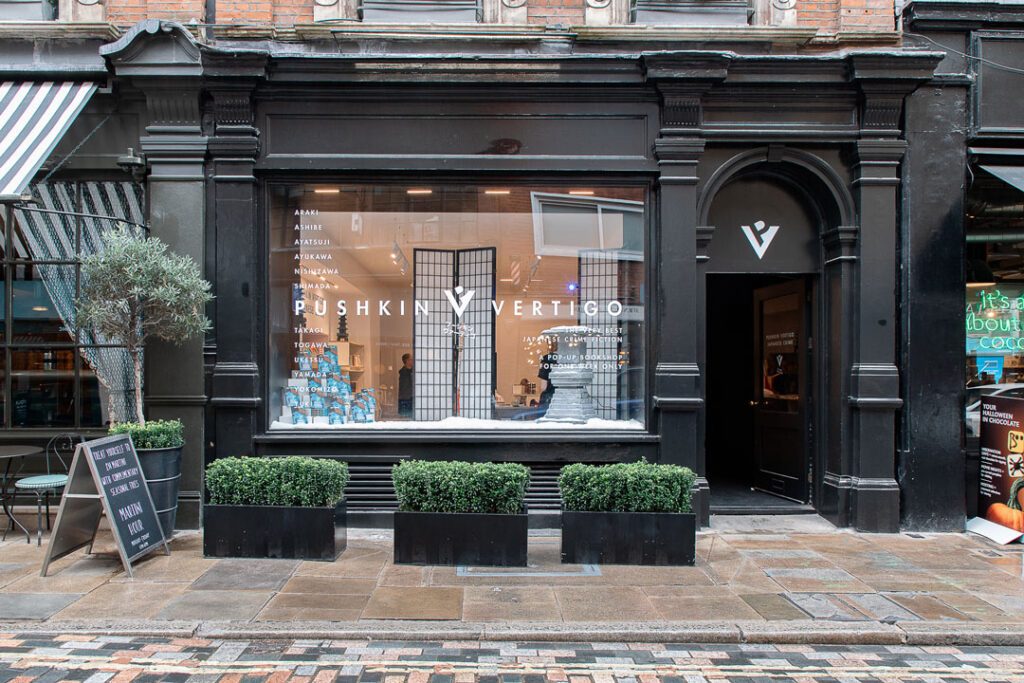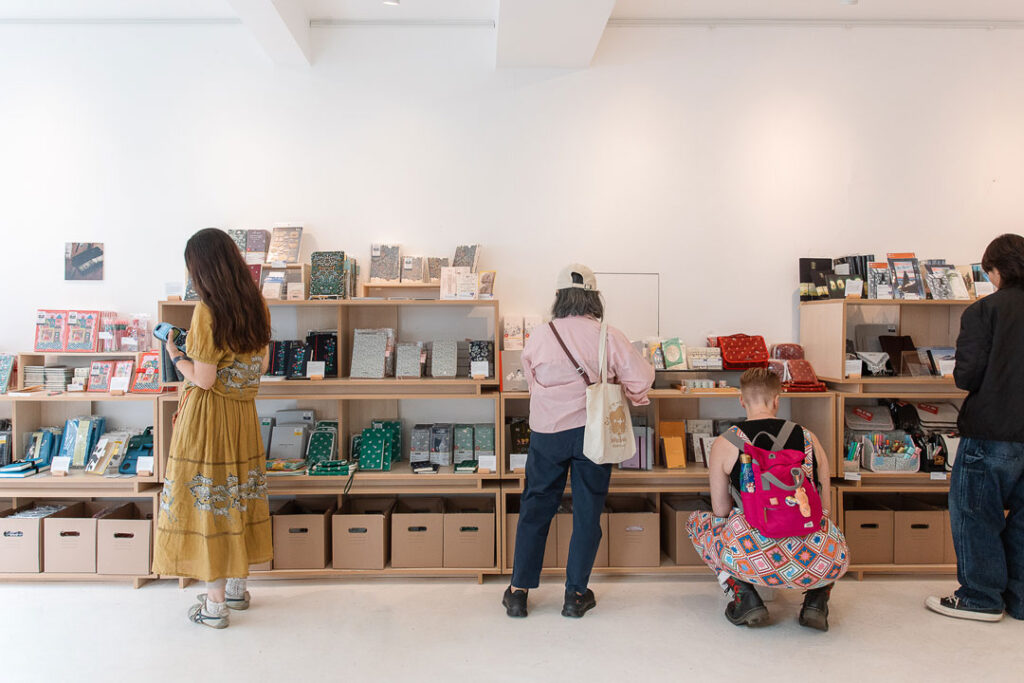
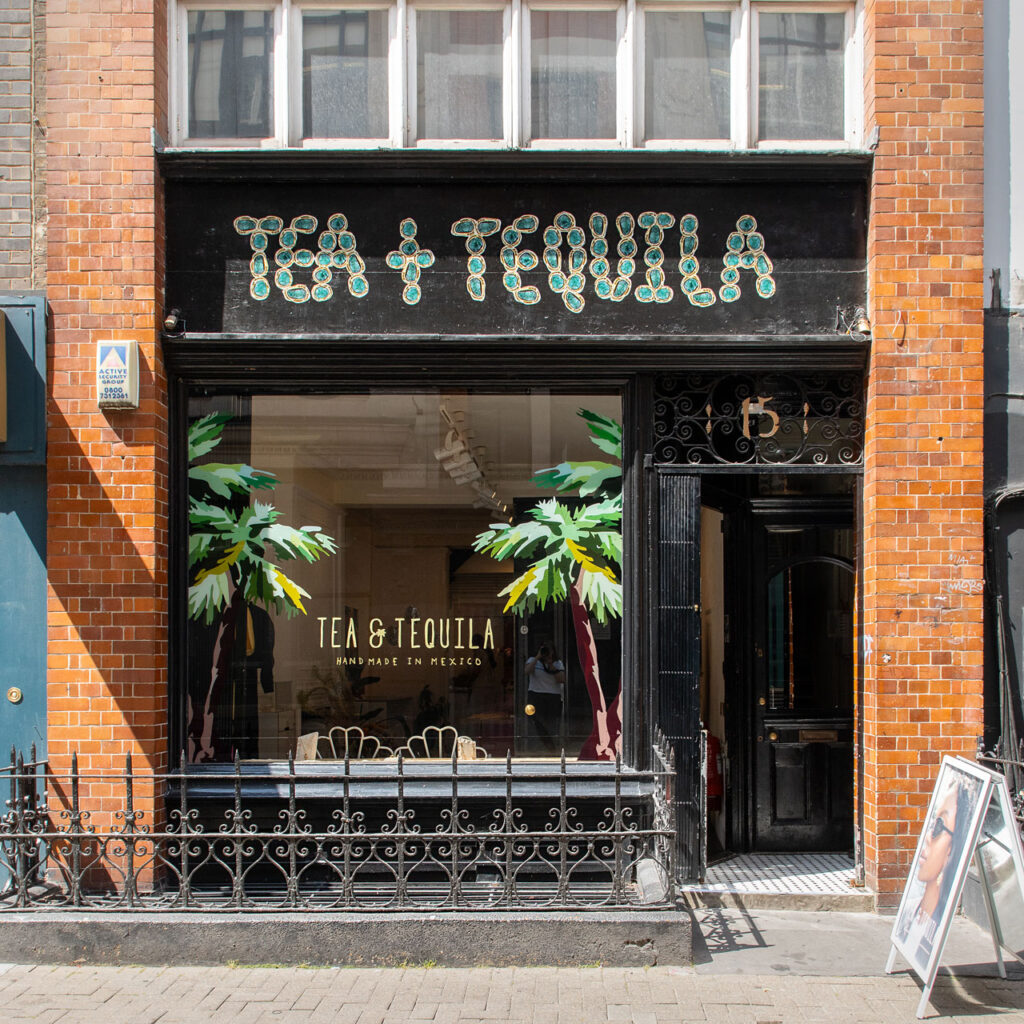
Feature photo of Tea and Tequila
Every summer brings a new wave of activations, launches and brand experiences. Some generate social buzz, some create queues around the block, and a select few reveal where the industry is heading next.
This season, the strongest activations shared a common thread. They weren’t necessarily the biggest or most elaborate. Instead, they focused on creating meaningful interactions, flexible environments and opportunities for people to spend time together.
From fashion and beauty to wellness and lifestyle, brands are moving beyond one-off moments and designing experiences that encourage participation, conversation and repeat engagement.
Here are five trends that have defined summer 2026.
1. Community Has Become the Main Attraction
For years, product launches sat at the centre of experiential marketing. Today, many brands are finding that community is the real draw.
Across the industry, experiences are increasingly built around shared interests rather than solely around products. Running clubs, founder conversations, wellness sessions, workshops and collaborative events are becoming key components of activation strategies.
The shift reflects changing consumer expectations. Audiences are looking for opportunities to connect with brands in more meaningful ways, and increasingly, that means connecting with other people too.
The most memorable experiences this summer weren’t simply places to shop or browse. They gave visitors a reason to participate.
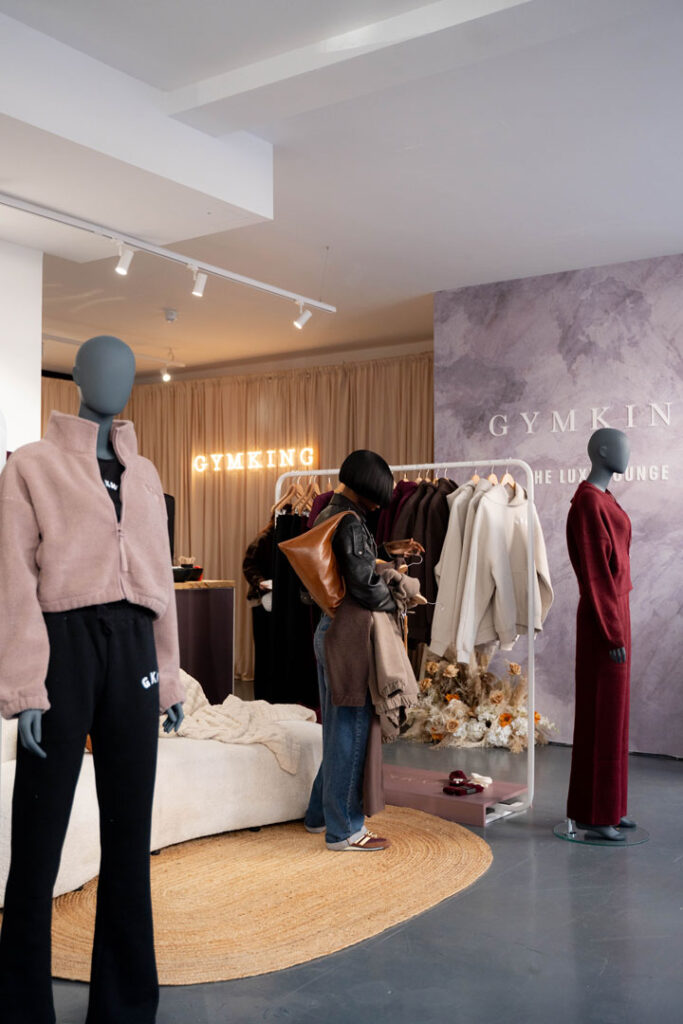
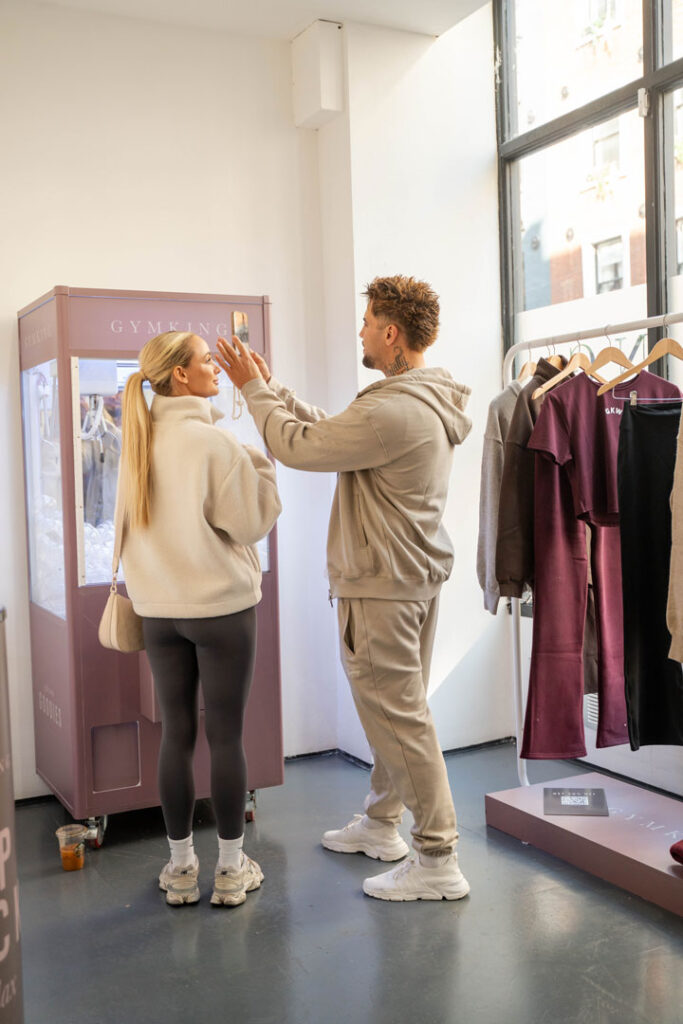
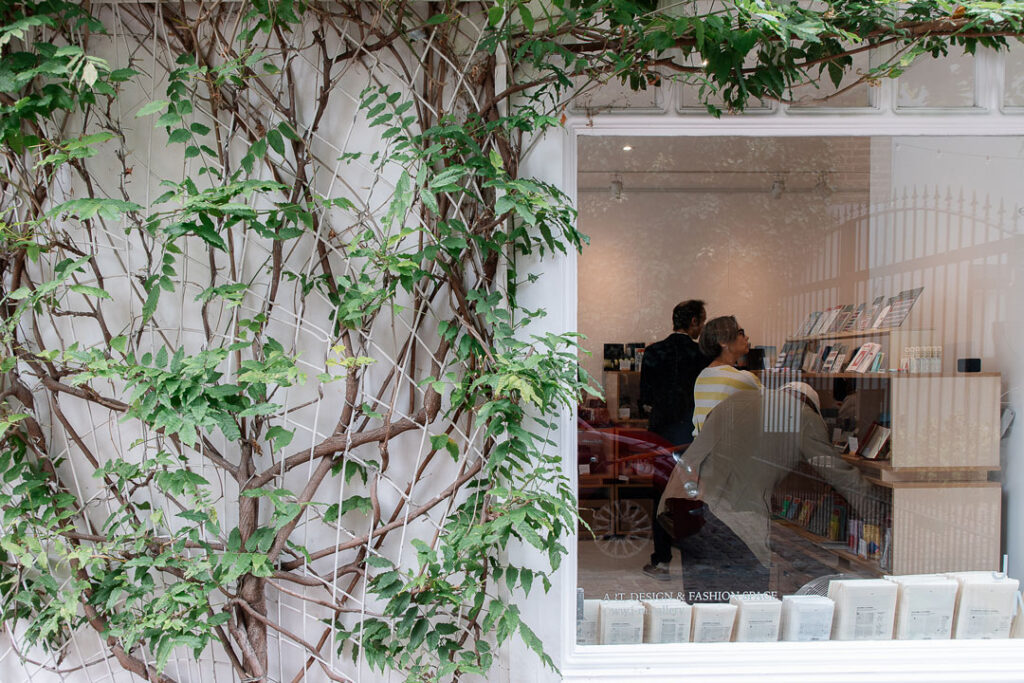
Photography of Gym King Women featuring event furniture hire by FoundPop
2. Flexible Spaces Are Delivering More Value
One of the clearest themes this season has been adaptability.
Brands are asking more from their physical environments than ever before. A space that functions as a showroom during the day may become a workshop venue in the afternoon and host a networking event later that evening.
This approach allows brands to maximise the value of a single location while keeping programming fresh throughout a campaign.
For producers and activation managers, flexibility starts with infrastructure. Modular layouts, movable displays and event furniture hire solutions allow spaces to evolve without requiring costly redesigns or additional production.
The most effective activations are increasingly those that can adapt to changing audiences, formats and objectives.
3. Visual Merchandising Is Becoming More Human
Visual merchandising continues to evolve beyond product presentation.
Rather than asking how products should be displayed, brands are increasingly asking how people should feel when they enter a space.
This shift has introduced influences from hospitality, galleries and community venues. Softer layouts, relaxed seating areas and more intuitive customer journeys are replacing rigid retail-style environments.
The goal is to create spaces that feel welcoming and encourage exploration rather than simply directing visitors towards a transaction.
As a result, merchandising is becoming more experiential, blending storytelling, product discovery and audience engagement into a single environment.
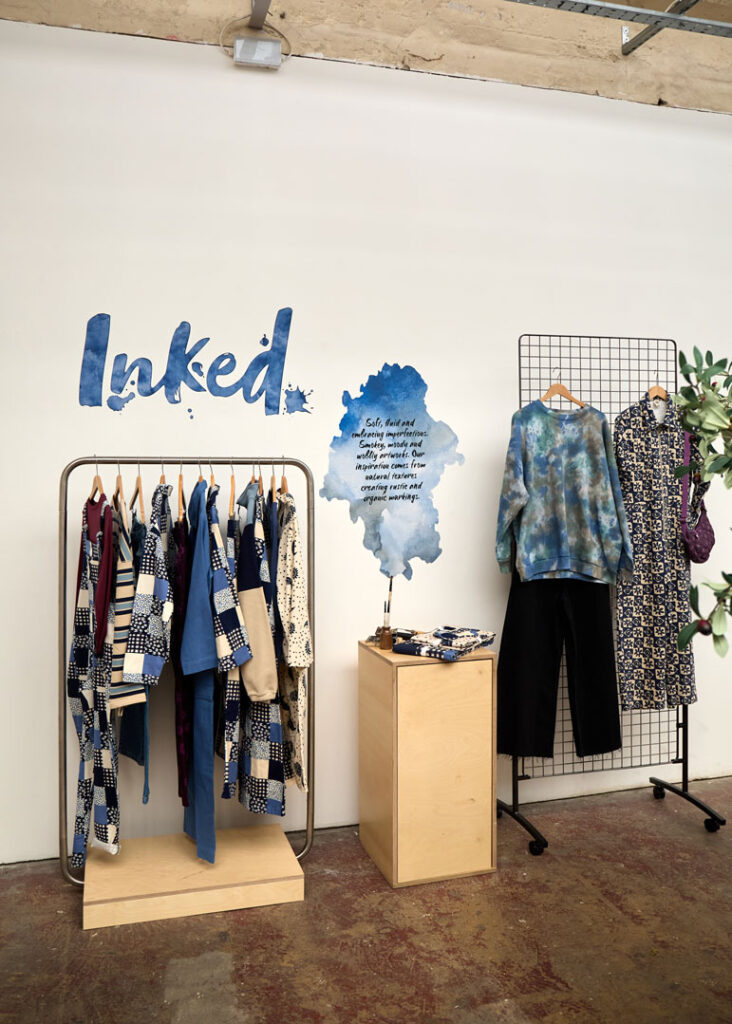
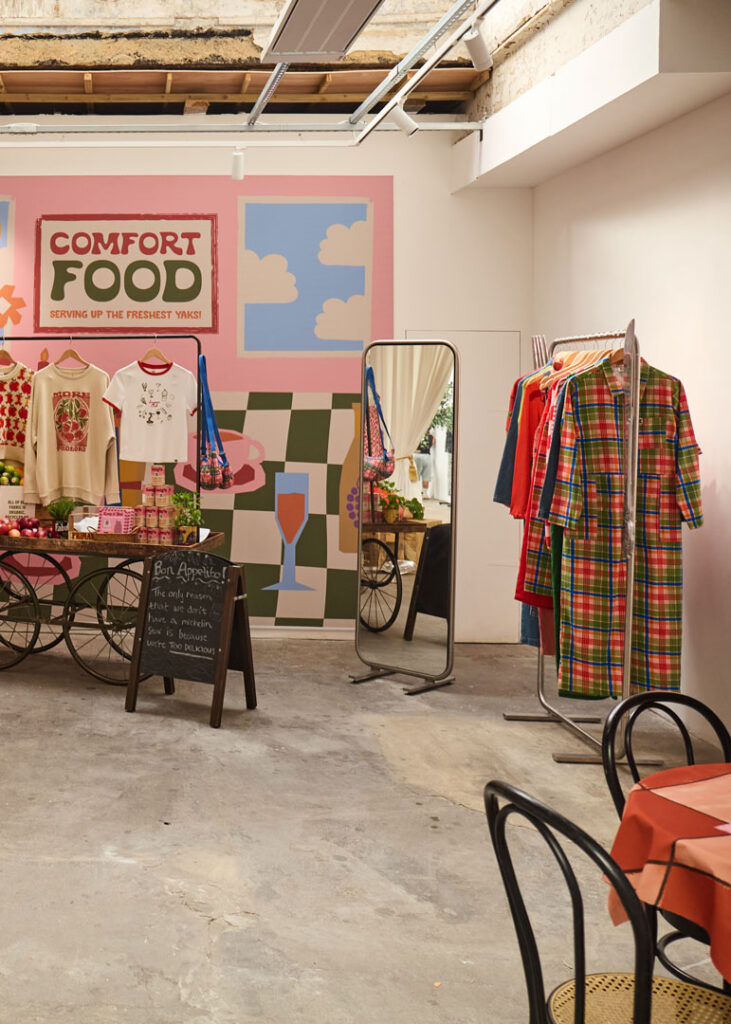
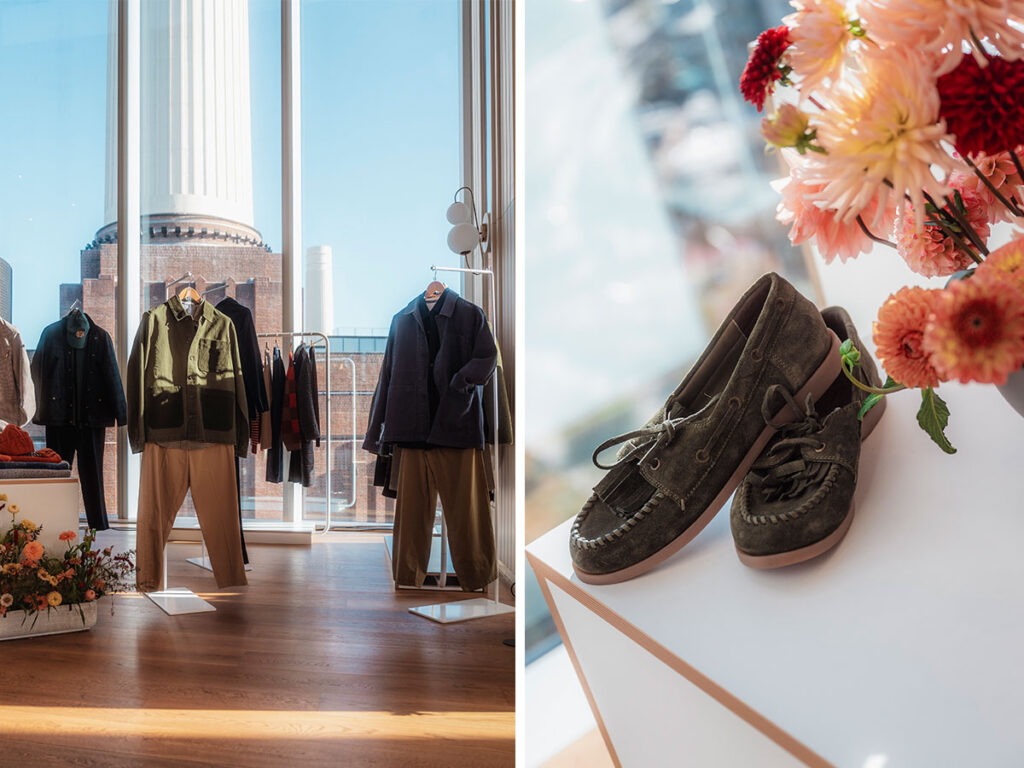
Photography of Lucy and Yak featuring event furniture hire by FoundPop
4. Dwell Time Is the New KPI
Many of this summer’s strongest experiences were designed with a simple goal in mind: encourage people to stay longer.
Longer visits create more opportunities for interaction, content creation, product discovery and community building. They also signal that visitors are genuinely engaged with the experience rather than simply passing through.
Brands are increasingly recognising that comfort plays a significant role in achieving this.
Seating areas, communal tables, breakout spaces and thoughtful audience flow all contribute to how long people spend within an activation. These elements may seem operational, but they often have a direct impact on engagement.
For experiential teams, dwell time is becoming a valuable measure of success alongside attendance and reach.
5. Sustainability Is Influencing Production Decisions
Sustainability continues to shape how experiences are planned and delivered.
Rather than creating entirely new environments for every campaign, many brands are prioritising reusable systems, rental models and adaptable infrastructure that can be used across multiple projects.
This approach reduces waste while also providing greater flexibility and efficiency.
Furniture rental, modular displays and reconfigurable layouts have become increasingly common as brands look for ways to balance creative ambition with environmental responsibility.
For producers, sustainability is no longer a separate conversation. It’s becoming an integrated part of the planning process.


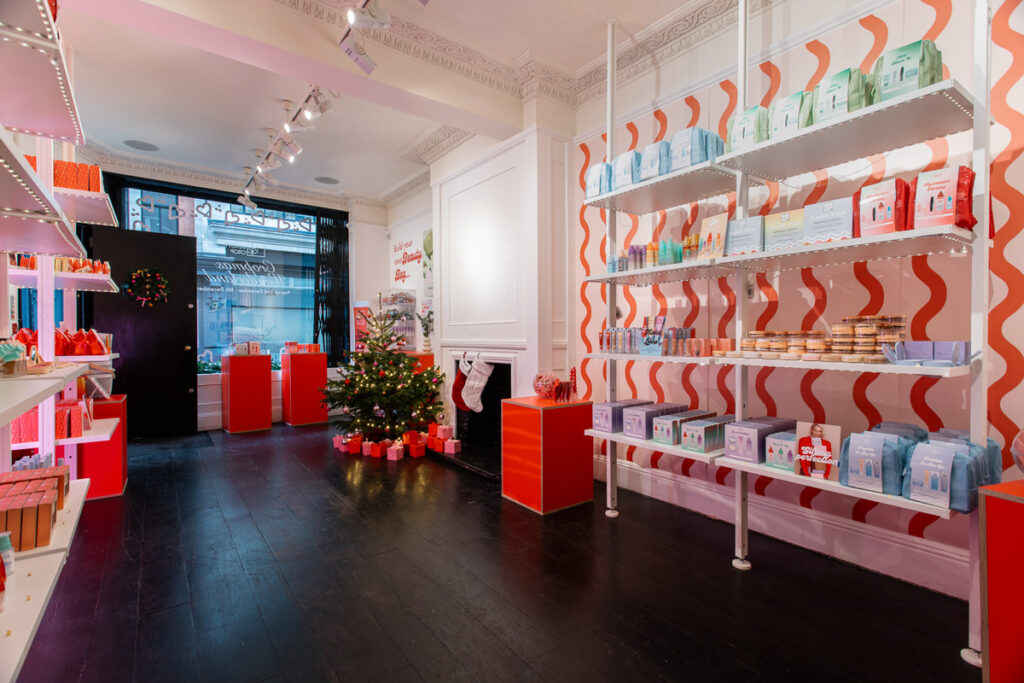
Photography of Tea and Tequila featuring event furniture hire by FoundPop
What Producers Are Asking Right Now
What are the biggest activation trends this year?
Community-led programming, flexible environments, wellness-focused experiences and hospitality-inspired design have emerged as some of the strongest trends across fashion, beauty and lifestyle sectors.
Brands are increasingly prioritising experiences that encourage participation rather than passive observation, creating stronger connections with audiences in the process.
How can brands increase engagement at an activation?
Engagement is often driven by interaction. Workshops, talks, demonstrations and collaborative experiences tend to outperform static formats because they give visitors a reason to stay involved.
Creating comfortable environments where people can gather, learn and connect also plays an important role in encouraging deeper participation.
How do you create a flexible event space?
Successful flexible spaces are built around adaptable infrastructure. Modular furniture, movable displays and multi-functional layouts allow a venue to support different formats throughout a campaign.
This flexibility is particularly valuable for brands running residencies, seasonal activations or multi-day programmes.
Is furniture hire more sustainable than buying?
For temporary experiences, furniture hire can help reduce waste, minimise storage requirements and support circular production practices.
Many brands are choosing rental models because they offer both environmental and operational benefits, particularly for short-term projects.
What should producers prioritise when planning a seasonal activation?
Audience flow, flexibility, comfort and programming should all be considered from the outset.
The most successful experiences are those where the physical environment supports the intended behaviour, whether that’s encouraging conversation, facilitating workshops or creating opportunities for content creation.
The Takeaway
If there’s one lesson from summer 2026, it’s that successful activations are becoming less about spectacle and more about experience.
Brands are investing in environments that encourage people to participate, connect and spend time together. They’re prioritising flexibility over fixed formats, community over transactions and engagement over simple visibility.
As planning begins for autumn campaigns and peak-season activations, these trends offer a useful reminder: the strongest experiences aren’t always the most complex. They’re the ones designed around how people actually want to spend their time.
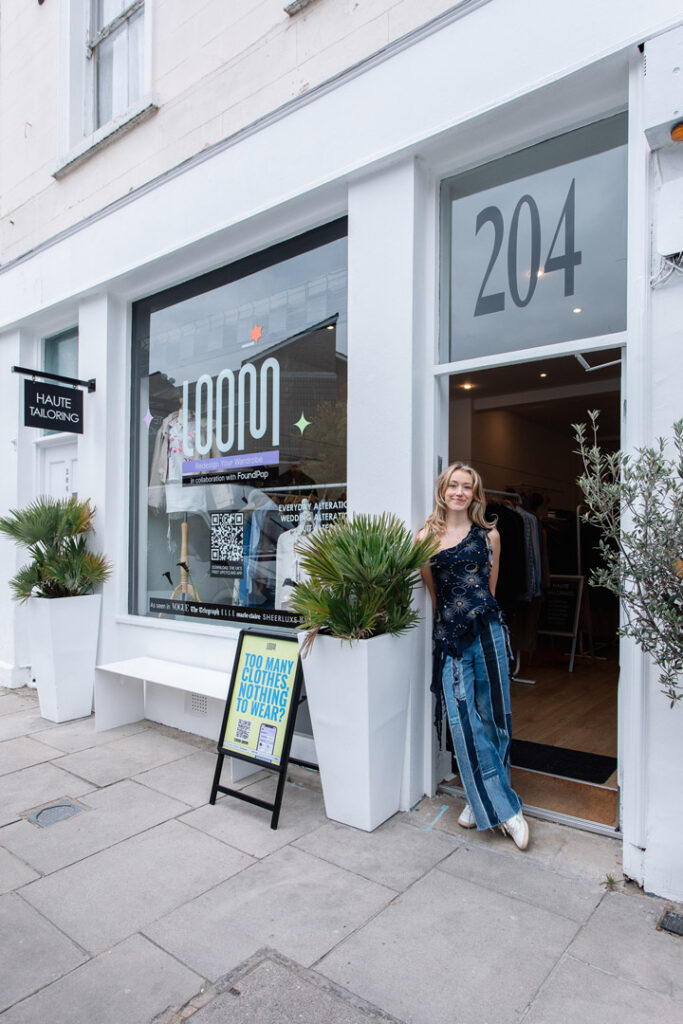
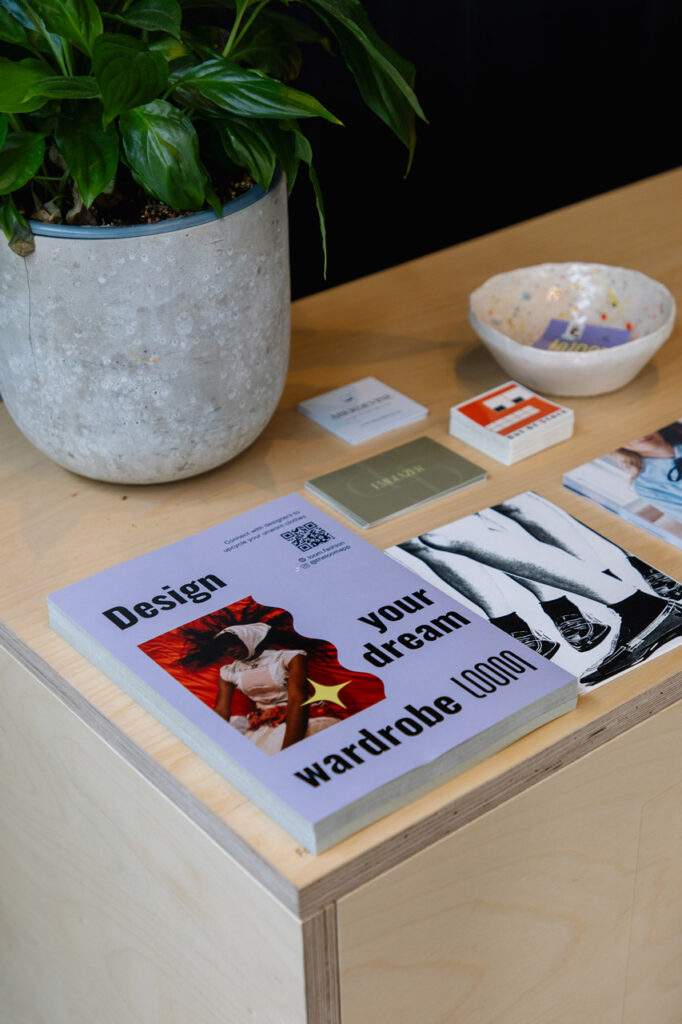
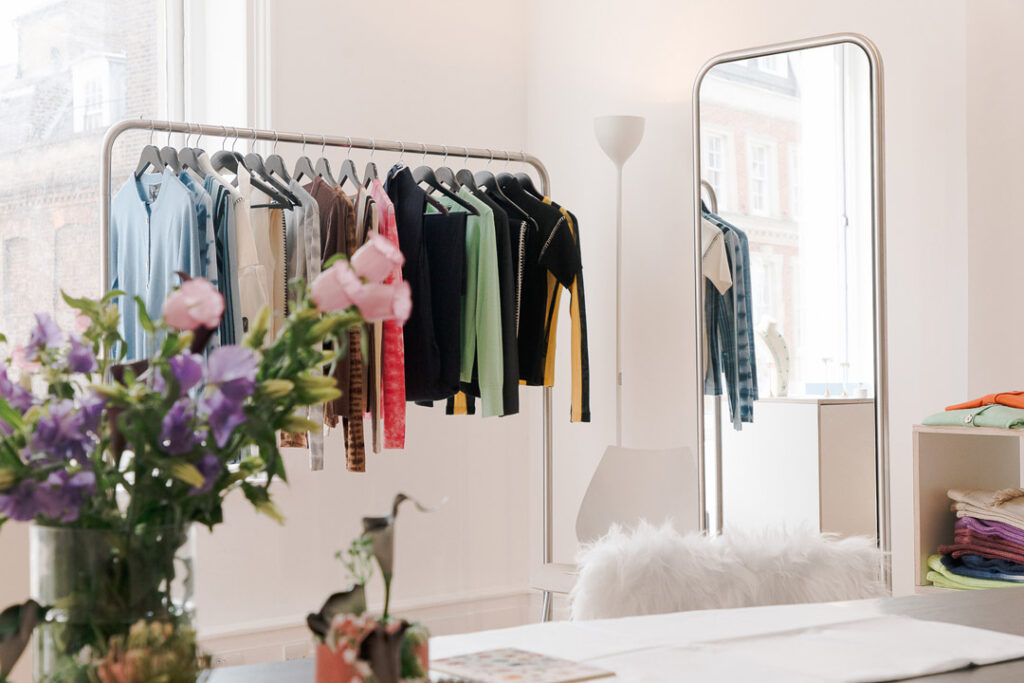
Photography of LOOM featuring event furniture hire by FoundPop
Looking to launch your own showroom or summer residency?
FoundPop helps brands, agencies and founders bring physical experiences to life through flexible retail spaces, sustainable event furniture hire and design-led retail support across London and beyond.
Get a feel for FoundPop with our 3D Space Planner and request a quote to design your next IRL experience.