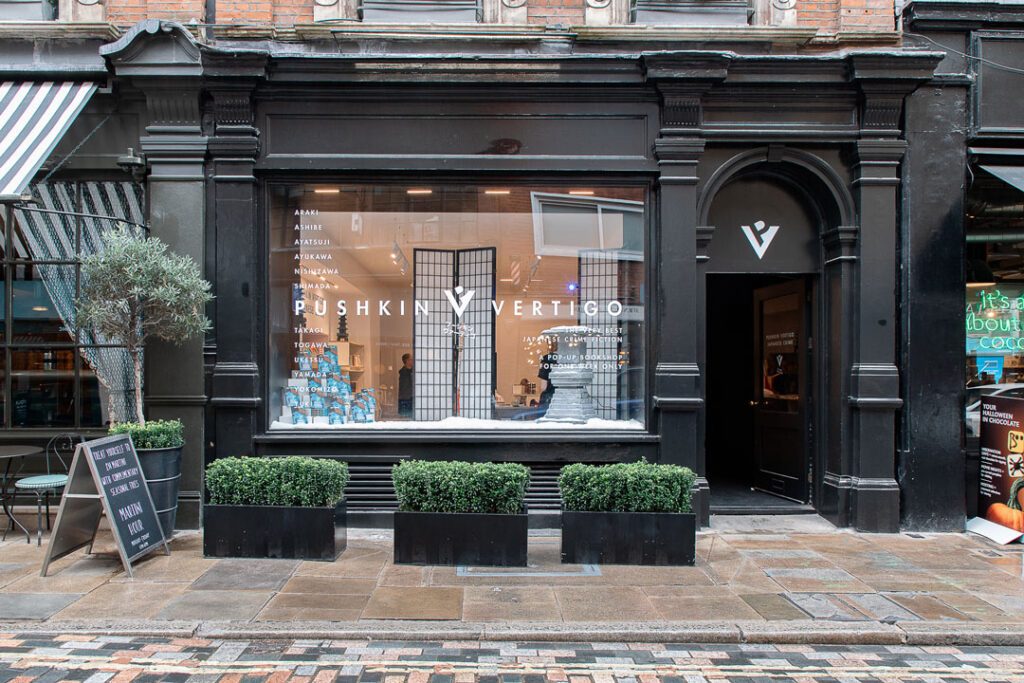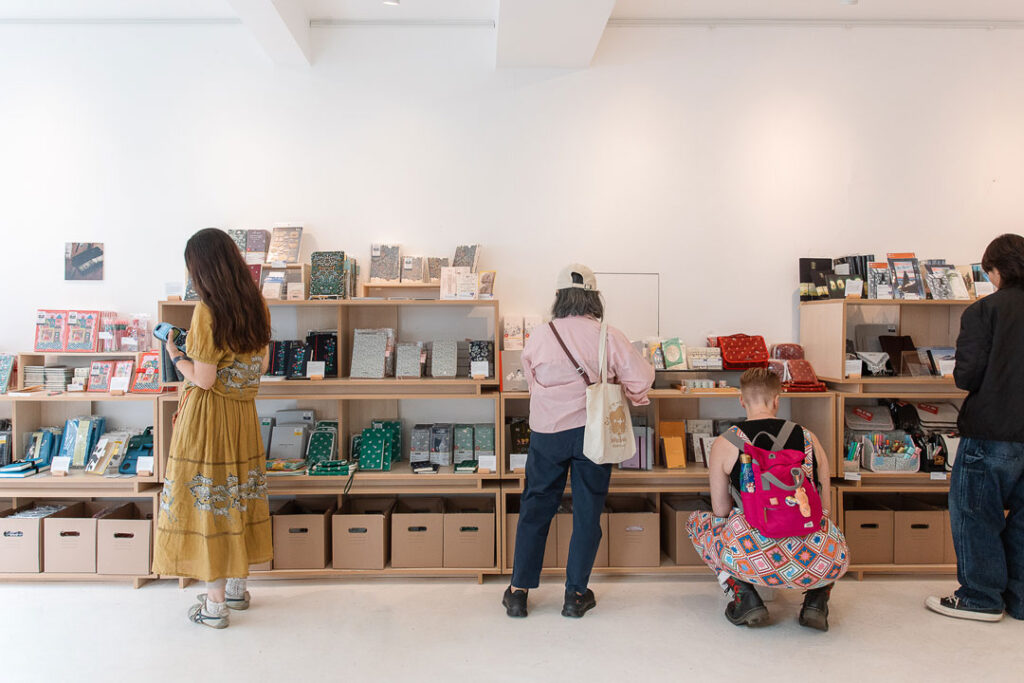
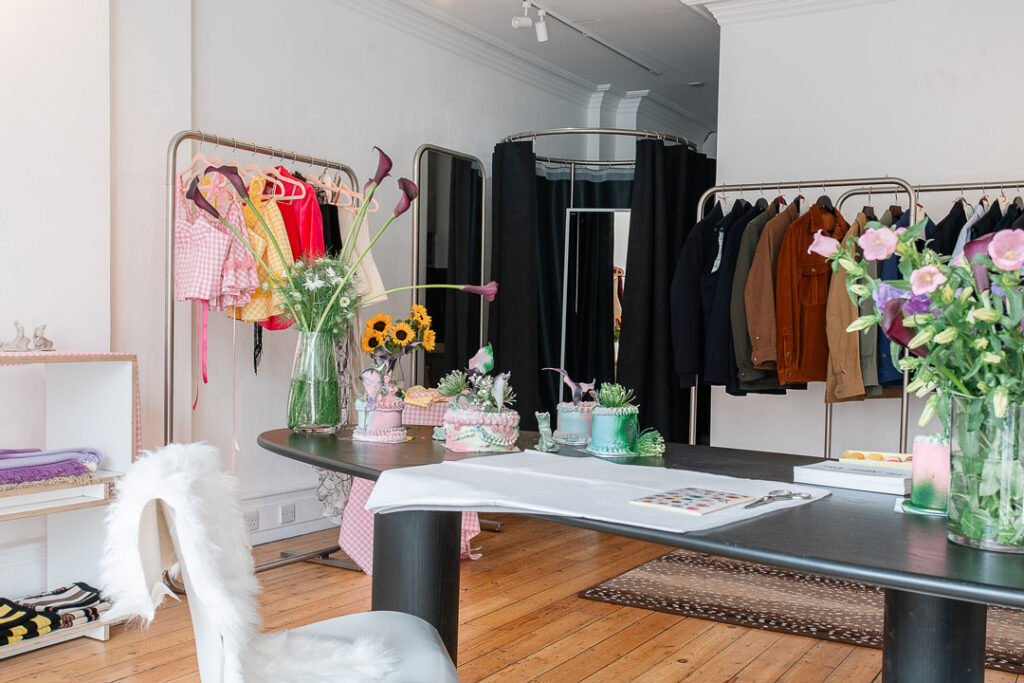
Featured photo of Nona The Label and The Alpine Edit
Why Brands Are Investing in Connection, Not Just Attention
For years, physical experiences were designed to capture attention. A launch event, a temporary space or a one-off activation gave brands an opportunity to generate awareness, create content and introduce new products to market.
Today, the objective is changing.
Across fashion, beauty and wellness, brands are increasingly investing in experiences that prioritise participation over promotion. Rather than simply creating something to look at, they’re creating opportunities for people to connect, contribute and return.
As social feeds become more crowded and customer acquisition becomes more competitive, community has become one of the most valuable outcomes a brand can create.
Why This Matters Now
Consumers are spending more time online than ever before, yet many are actively seeking experiences that feel more personal and tangible.
This shift has created an opportunity for brands to build relationships beyond the screen. Whether through founder talks, creative workshops, wellness programming or collaborative events, physical experiences offer something digital channels struggle to replicate: genuine connection.
For emerging brands in particular, these moments can become powerful trust-building tools. They allow audiences to engage with products, meet the people behind the business and feel part of a wider community.
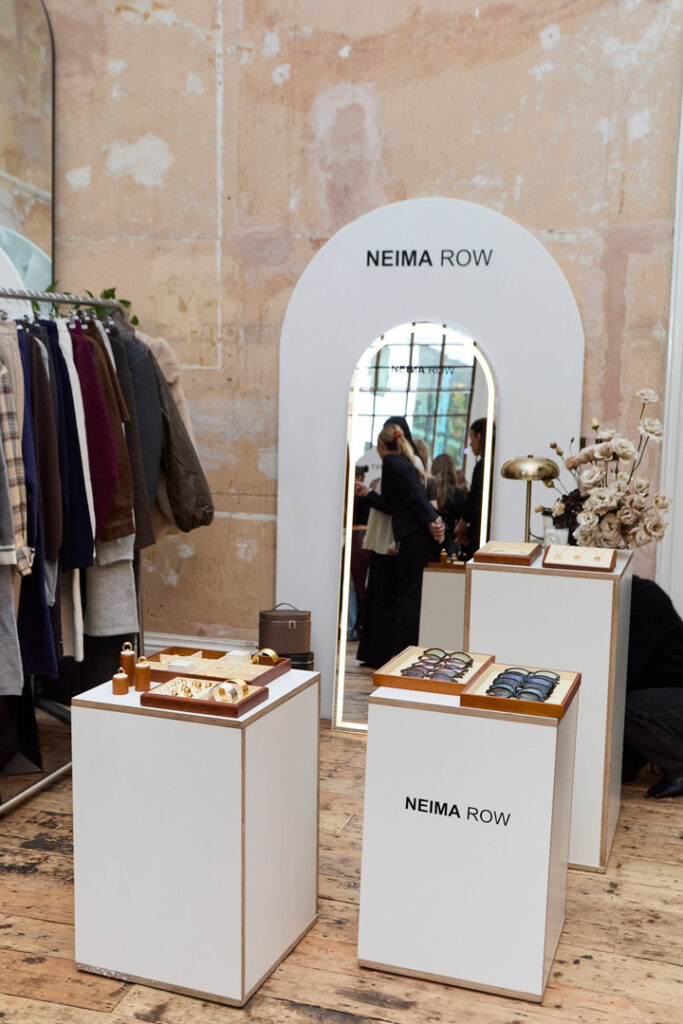
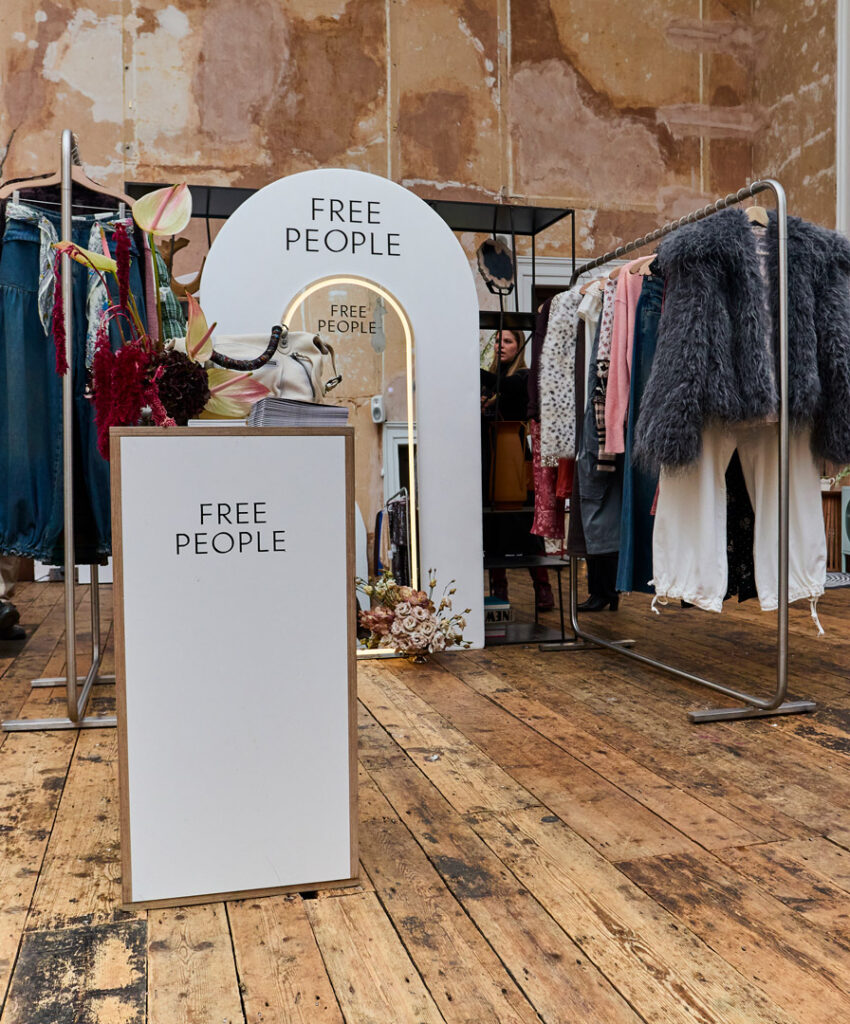
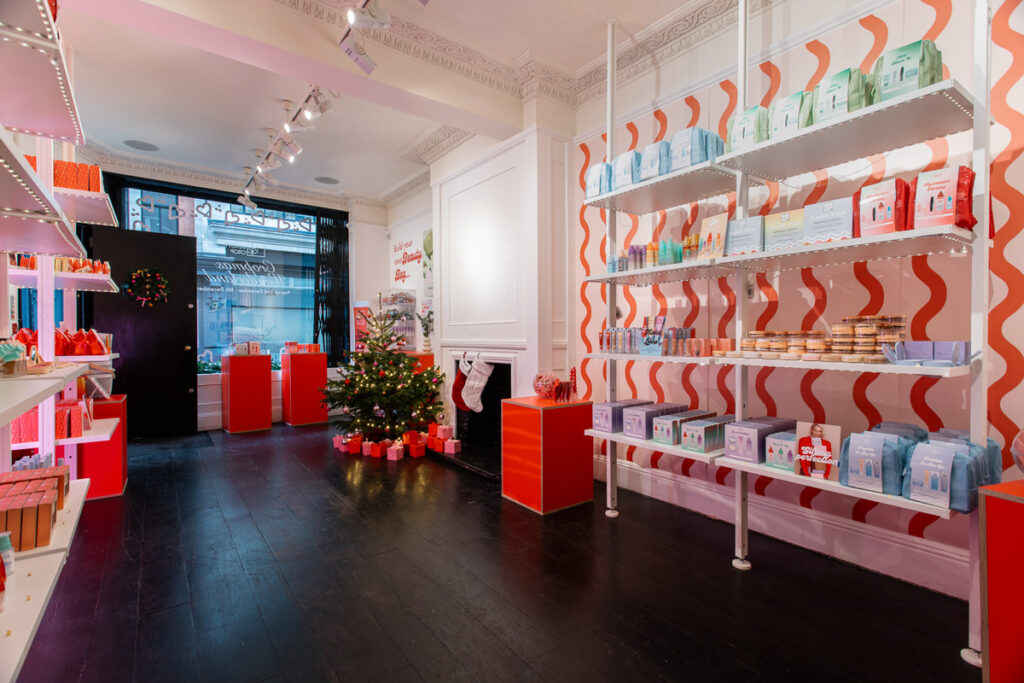
Photography of LTK Press Day at Old Sessions House featuring event furniture hire by FoundPop
The Shift From Transactions to Participation
The strongest brand experiences are no longer built around a single transaction.
Instead, they’re creating reasons for people to spend time together. A product launch might include a workshop. A store takeover might host a panel discussion. A wellness brand may programme classes alongside product discovery.
These experiences encourage visitors to become active participants rather than passive observers.
The result is often deeper engagement, stronger loyalty and a greater sense of belonging.
What Brands Are Doing Differently
One of the clearest trends across community-led experiences is the rise of programming.
Brands are increasingly combining product with culture, creating events that offer education, entertainment or social connection alongside commercial objectives.
We’re seeing:
- Founder conversations and Q&As
- Wellness sessions and movement classes
- Community dinners and networking events
- Creative workshops and masterclasses
- Collaborative experiences between like-minded brands
These formats give audiences a reason to engage with a brand beyond the point of purchase.
The Role of Space in Community Building
As experiences become more participatory, the design of a space becomes increasingly important.
The most successful environments are designed around how people gather, move and interact. Comfortable seating areas encourage conversation. Communal tables support workshops and networking. Flexible layouts allow a space to evolve throughout the day.
For producers and activation managers, furniture is becoming less about styling and more about infrastructure.
A modular seating arrangement can support a panel discussion in the afternoon and transform into a networking environment in the evening. Flexible furniture systems help brands maximise both engagement and functionality while adapting to different audience needs.
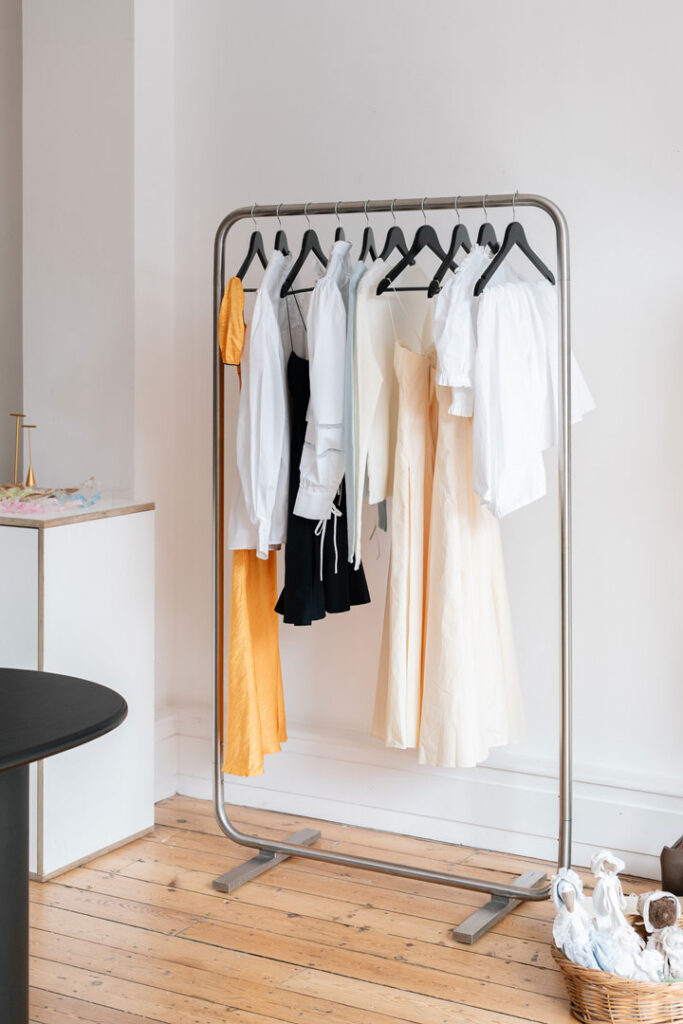
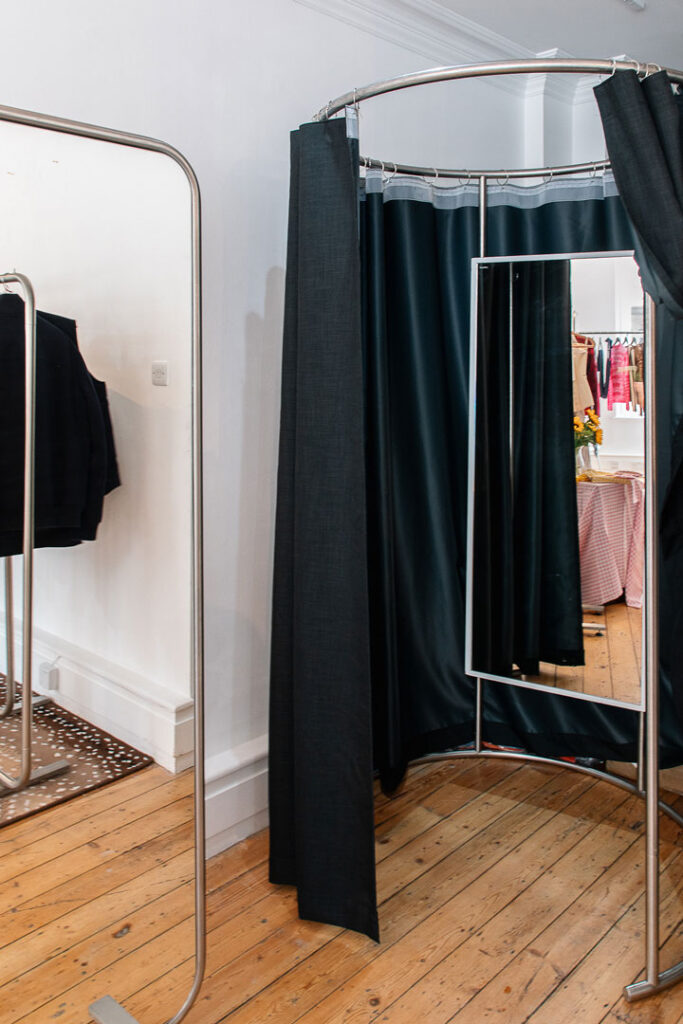
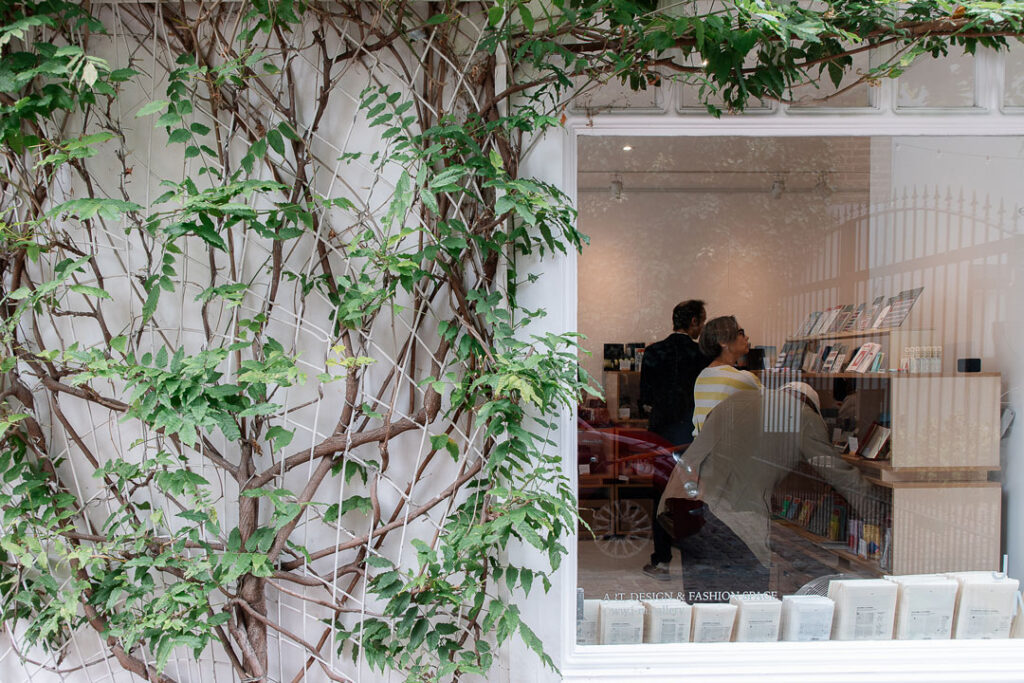
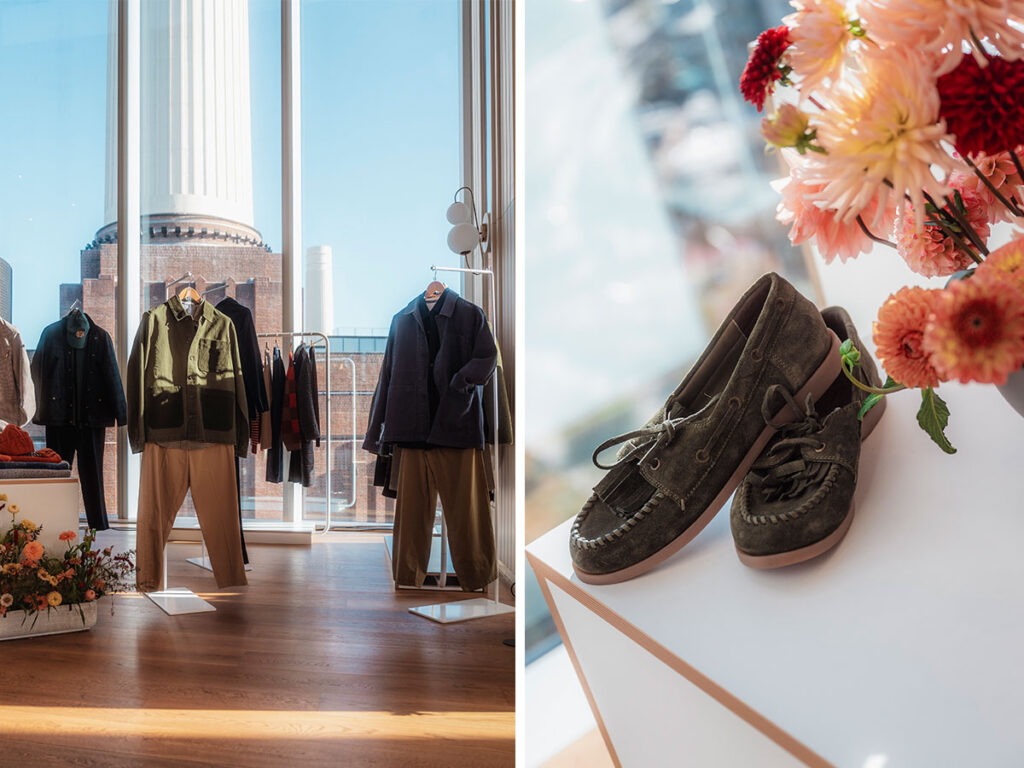
Photography of Nona and The Alpine Edit featuring event furniture hire by FoundPop
What Producers Are Asking Right Now
How do brands build community through physical experiences?
The most effective community-led experiences create opportunities for interaction. Workshops, discussions, classes and collaborative programming consistently outperform passive formats because they encourage participation and shared experiences.
What makes people stay longer at an event?
Dwell time is often driven by comfort, relevance and interaction. Visitors are more likely to stay when there are opportunities to learn something new, contribute to a discussion or connect with others in a relaxed environment.
How should a community-focused event be designed?
Successful experiences balance structure with flexibility. They typically include areas for presentations, informal conversations, product discovery and content creation, allowing different forms of engagement to happen simultaneously.
What types of events build loyalty?
Founder talks, member events, creative workshops, wellness experiences and collaborative gatherings all help create stronger emotional connections because they provide value beyond products alone.
What role does event furniture play in community experiences?
Furniture helps shape how people interact within a space. Seating arrangements, communal tables and flexible layouts influence audience flow, encourage conversation and support multiple event formats throughout a programme.
The Takeaway
Community-led experiences are no longer a niche strategy reserved for a handful of brands.
They’re becoming a defining characteristic of modern experiential marketing, particularly within fashion, beauty and wellness.
As audiences continue to seek connection, brands that create meaningful opportunities for people to gather, participate and return will be the ones that build lasting loyalty.
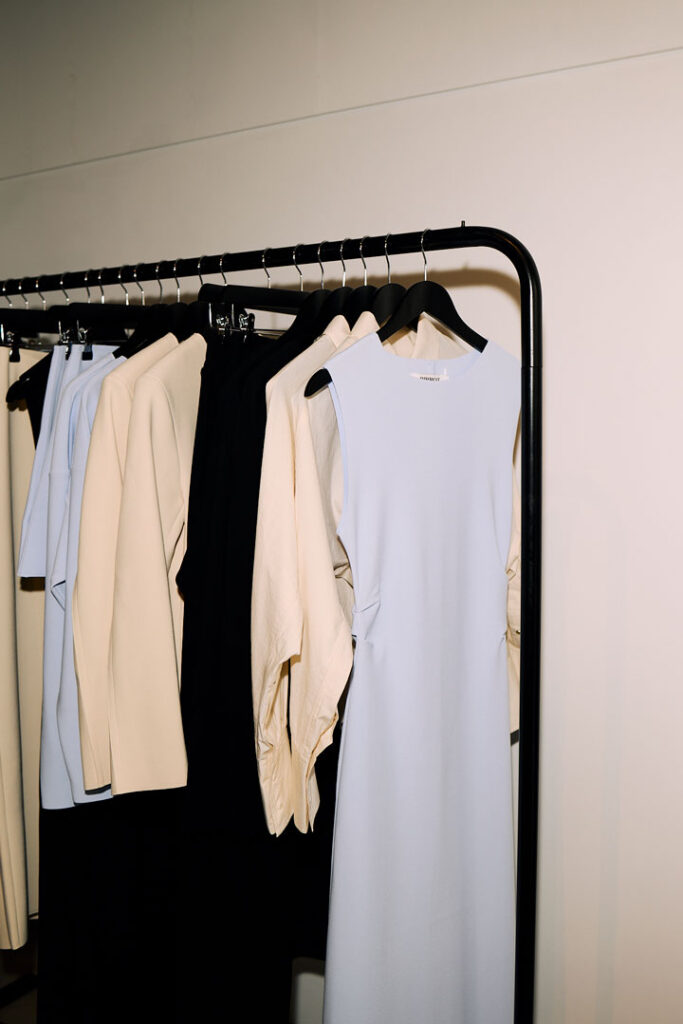
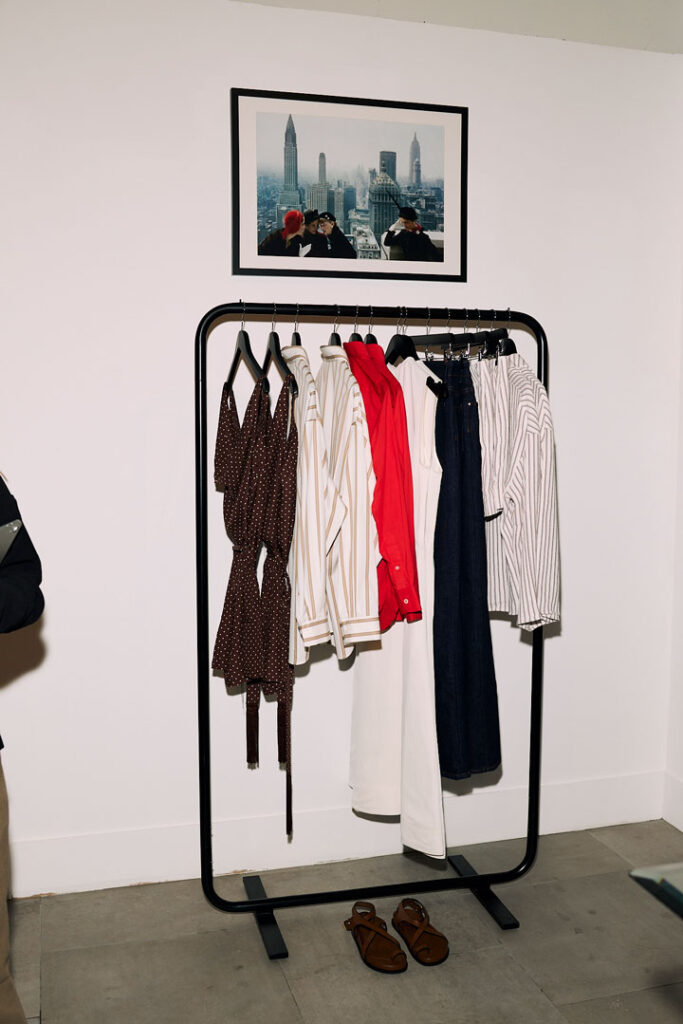
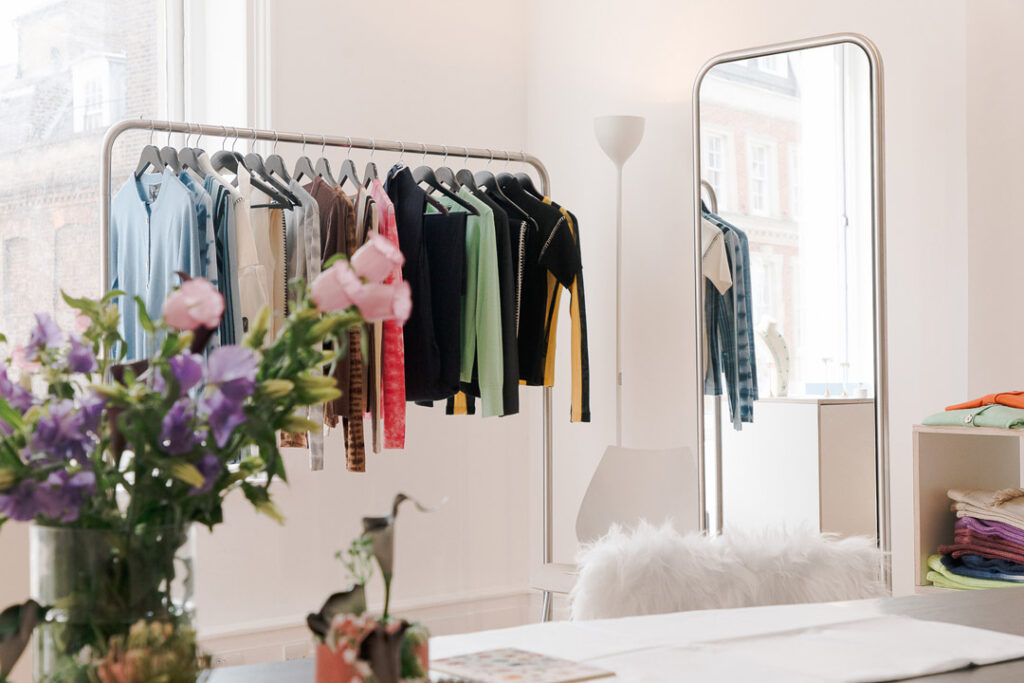
Photography of ELVEEV featuring event furniture hire by FoundPop
Looking to launch your own summer residency?
FoundPop helps brands, agencies and founders bring physical experiences to life through flexible retail spaces, sustainable event furniture hire and design-led retail support across London and beyond.
Get a feel for FoundPop with our 3D Space Planner and request a quote to design your next IRL experience.