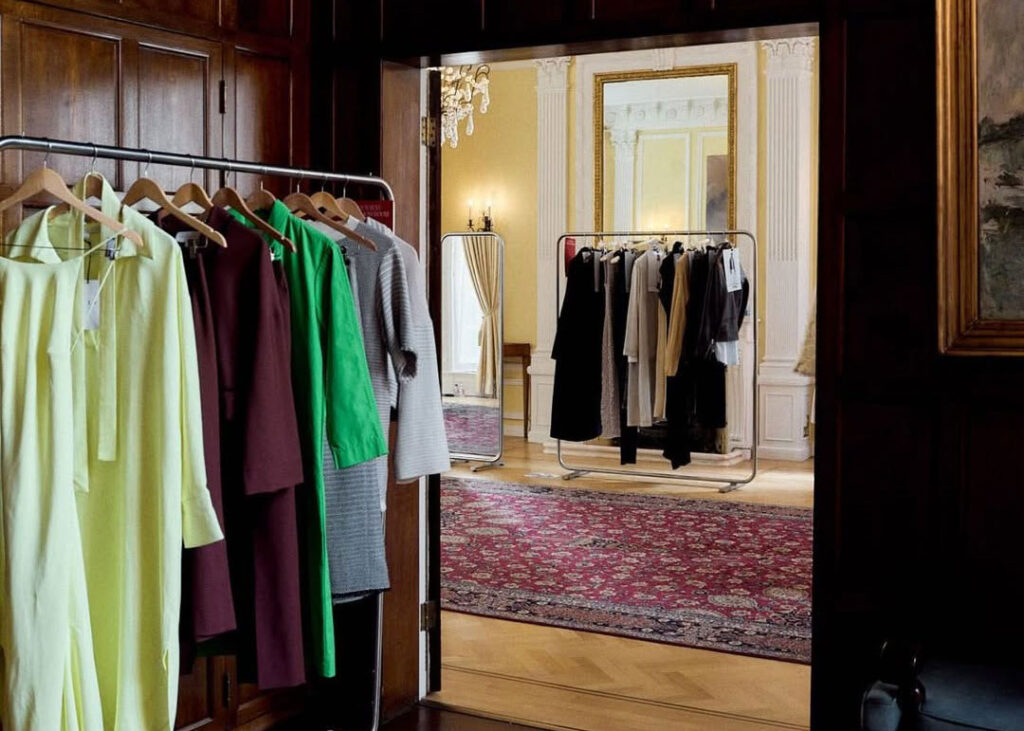

Featured Photo of FoundPop Furniture
Welcome to part three of our How To Launch a Pop-Up series, your ultimate guide to achieving pop-up success and growing your brand. If you’re new to the concept, pop-up shops are temporary retail spaces that allow you to test new products, concepts, and markets without the long-term commitment of a longterm brick and mortar location. The flexibility of pop-up shops has made them a go-to strategy for businesses aiming to attract customers quickly and efficiently.
For online businesses, pop-up shops offer a golden opportunity to engage with customers in person, fostering stronger relationships and providing immediate feedback. Whether you’re an established brand or a new entrepreneur, a pop-up shop can be a powerful tool to boost your visibility and drive sales.
Join us as we delve deeper into the steps and strategies that will help you master the art of launching a successful pop-up shop and take your brand to new heights.
Operational Aspects of Pop-Up Shops
Running a successful pop-up shop involves careful planning and execution. This section covers vital operational aspects that help manage costs, legal requirements, and efficient payment systems.
Budgeting and Cost Management
Setting a budget is crucial. Determine your overall costs, including rent, utilities, staff wages, and marketing expenses. It’s essential to keep some funds aside for unexpected costs.
Focus on cost-effective solutions, such as renting a smaller space or using digital marketing instead of print. Track all expenses meticulously to avoid overspending. A detailed budget plan helps you allocate resources effectively and maintain cash flow.
Understanding Permits, Licenses, and Insurance
Before opening your pop-up shop, you must secure the necessary permits and licenses. These may include local business, signage, and health and safety permits. Check with local authorities to understand what is required in your area.
Public liability insurance is a must to protect against accidents or damages. Ensure your insurance covers all risks associated with your specific business activities. Keep copies of all permits, licences, and insurance documents on hand.
Payment Systems and Sales Management
An efficient payment system is essential for smooth sales operations. Choose a reliable POS (point of sale) system that supports card payments and mobile transactions, as cash is becoming less common.
Train your staff on how to use the POS system and manage inventory. Keep a backup plan for technical issues, such as a manual card reader or a second POS device. Monitor sales data regularly to understand customer behaviour and adjust your strategy accordingly. Use this data to manage inventory, ensuring popular items are always in stock.
Maximising Pop-Up Impact and Sales
To maximise the impact and boost sales of your pop-up shop, you need effective strategies to drive foot traffic, engage both existing and potential customers, and evaluate success through feedback.
Driving Pop-Up Shop Foot Traffic
Driving foot traffic is crucial for any pop-up shop. Start by choosing a high-traffic location that suits your target audience. Busy streets, shopping centres, and popular events are ideal spots.
Use social media to create buzz. Platforms like Instagram, Facebook, and Twitter can help you reach a wider audience. Share behind-the-scenes content, countdowns, and teasers. Collaborate with influencers to amplify your message.
Offer exclusive deals or limited-time products to attract more customers. Event-based marketing such as live demonstrations, workshops, or guest appearances can also draw in crowds. Eye-catching signage and displays outside your shop will grab the attention of passersby.
Engagement with Existing and Potential Customers
Engagement with existing and potential customers is vital for a successful pop-up shop. Create interactive experiences that allow visitors to connect with your brand. Set up product demonstrations or interactive displays that let customers try out your products firsthand.
Personalised service makes a big difference. Train your staff to be friendly, knowledgeable, and attentive. Offer loyalty programmes or special discounts to existing customers who visit your pop-up shop. Use this opportunity to collect customer data for future marketing efforts.
Encourage visitors to share their experiences on social media. Provide a photo-worthy backdrop or unique brand experiences they’ll want to post about. Use hashtags and offer incentives for sharing, such as entry into a competition or a small freebie.
Evaluating Success and Feedback
Evaluating the success of your pop-up shop and gathering customer feedback is essential for improving future events. Track sales and foot traffic daily to understand what strategies worked best. Use tools like customer surveys or comment cards to gather direct feedback from visitors.
Analyse social media engagement. Look at the number of shares, comments, and likes your posts received. This can provide insight into how well your marketing efforts resonated with your audience.
Hold a debrief with your team to discuss what went well and what could be improved. Use both quantitative data (like sales figures) and qualitative feedback (customer comments) to get a comprehensive view. This will help you refine your approach for your next pop-up event.
Pop-Up Shops in the Wider Retail Landscape
Pop-up shops are changing the retail world by offering unique benefits to both physical and online stores. They help retailers attract more customers, test new ideas, and create engaging experiences.
The Role of Pop-Ups in Brick-and-Mortar Retail
Pop-up shops offer significant value to brick-and-mortar retail. These temporary stores allow retailers to experiment with new products and ideas without making long-term commitments. Pop-ups can attract new customers and create buzz around your brand.
Retailers utilise pop-ups to scout new locations. Setting up temporary shops allows you to gauge local interest and adjust your strategy based on real-time feedback. This approach reduces risk and helps in making informed decisions.
Another advantage is flexibility. Unlike permanent stores, pop-ups can adapt quickly to trends. This lets you respond to customer demands faster, ensuring your business stays relevant. Pop-up shops can transform unused spaces into profitable opportunities.
Synergy with Online Stores and E-commerce
Pop-ups also complement online stores and e-commerce platforms. They provide a physical space where customers can experience your products first-hand, which can improve customer confidence and increase sales both online and offline.
Hosting a pop-up shop allows you to collect valuable customer data. You can interact directly with shoppers, gather feedback, and refine your online offerings. This data can enhance your overall marketing strategy and improve customer satisfaction.
Additionally, pop-ups help boost brand presence. A well-executed pop-up event can generate social media buzz, driving traffic to your e-commerce site. By combining the strengths of physical and online retail, you create a more rounded shopping experience.
Exploring Pop-Up Shop Locations Internationally
Finding the best locations for pop-up shops worldwide is crucial. Key cities like London, New York, and Los Angeles offer unique advantages, from high foot traffic to diverse demographics.
Key Cities for Pop-Up Shops
London
London is a hub for pop-up shops due to its diverse neighbourhoods and large population. Areas like Shoreditch and Soho are known for high foot traffic and trendy shoppers. The city’s numerous events and festivals attract both locals and tourists.
New York
New York offers various prime spots for pop-up shops. Neighbourhoods like SoHo and Brooklyn are renowned for their vibrant culture and high footfall. The city’s mix of tourists and residents provides a broad customer base, increasing the chances of successful short-term retail.
Los Angeles
Los Angeles is another excellent option for pop-up shops. Areas such as Melrose Avenue and Venice Beach are popular for their trendy and diverse crowds. The city’s emphasis on fashion and entertainment makes it a prime location for brands looking to make a splash.
Launch your pop-up with FoundPop for expert support with securing a venue, custom brand vinyl and more. Open your summer pop-up shop with our design-led and sustainable retail furniture rentals.
Benefits and Challenges for Brands and Retailers
Pop-up shops offer brands and retailers unique advantages, such as generating buzz and creating direct consumer engagement. However, they also present challenges, such as ensuring sufficient foot traffic and managing short-term logistics.
Advantages of a Pop-Up Strategy
Creating Buzz and Excitement: Pop-up shops generate excitement and curiosity. Because they’re temporary, they can create a sense of urgency.
Direct Consumer Engagement: You can directly interact with your customers. This face-to-face interaction helps gather feedback and understand your audience better.
Cost-Effective Marketing: Pop-up shops are generally less expensive than traditional retail spaces. This makes them an attractive option for small businesses and new brands.
Trial Opportunities: Pop-ups allow you to test new products or markets without a long-term commitment. This lets you gauge customer interest and adapt quickly.
Increased Brand Awareness: A pop-up shop in a high-traffic area can attract much attention. This exposure helps in increasing brand recognition.
The Challenges of Temporary Retail
Logistics and Setup: Setting up a pop-up shop involves logistics like location scouting, setting up the space, and ensuring that you have enough stock. These tasks can be time-consuming.
Ensuring Foot Traffic: One major challenge is attracting enough foot traffic to make the venture profitable. Location and timing are crucial.
Short-Term Staffing: Staffing a temporary shop requires hiring and training temporary staff, which can be challenging and expensive.
Customer Retention: While attracting customers with a pop-up is easier, retaining them can be tricky. A follow-up strategy is essential to keep them engaged after the event.
Permits and Regulations: Meeting local regulations and acquiring necessary permits can be complicated. Each location may have different requirements that need to be thoroughly checked.
Open your pop-up shop with FoundPop’s expert support, get in touch to launch.
Pop-Up Shop Events and Exclusivity
Pop-up shops often host events and launch exclusive products to attract attention and create buzz. Collaborations with cultural influencers and festivals can enhance these efforts, drawing in diverse crowds and increasing visibility.
Planning Exclusive Events and Product Launches
Planning exclusive events requires creativity and organisation. Start by generating unique ideas that align with your brand. Think about what will make your event unforgettable. For example, you could offer limited-edition products or a special guest appearance.
Create a well-defined checklist:
Venue Selection: Choose a place that suits your brand’s image.
Marketing: Use social media and email lists to promote.
Setup: Design an inviting and functional space.
Engagement: Plan activities that encourage interaction, like workshops or live demos.
Ensure your event stands out by offering something competitors don’t. An exclusive launch can create a sense of urgency among customers, leading to higher attendance and sales. Make each detail count to leave a lasting impression.
Visit our Fashion Week Checklist for your upcoming pop-up.
Collaborating with Cultural Influencers and Festivals
Collaborating with cultural influencers can massively boost your event’s reach. Influencers have loyal followers who trust their opinions. Partnering with them can lend credibility and attract their audience to your pop-up.
Steps to effective collaboration include:
Research: Find influencers who align with your brand values.
Outreach: Contact them with a clear proposal detailing the benefits.
Content Creation: Work together on promotional material, like videos or posts.
Engagement: Have influencers attend the event and interact with customers.
Participation in festivals can further elevate your pop-up. Festivals attract large crowds interested in unique experiences. You can tap into this energetic atmosphere by setting up a pop-up shop at a relevant festival. Ensure your pop-up offers festival-goers something memorable, like engaging activities or special discounts.
Combining these strategies can create a powerful presence, attracting diverse audiences and boosting your pop-up shop’s success.
Read more about the Labeca and 4th & Reckless pop-ups for collaboration inspiration with influencers.
Legal and Administrative Considerations
When opening a pop-up shop, several legal and administrative details must be addressed. Understanding the insurance requirements, drafting clear contracts with landlords, and ensuring compliance with all relevant regulations is crucial.
Insurance and Liabilities
Insurance is essential for protecting your pop-up shop from unexpected events. You will need public liability insurance to cover any injuries or damages to third parties. Employers’ liability insurance is also required if you have staff.
Product liability insurance protects against claims due to defects in products sold. Ensuring you have all necessary insurance policies in place safeguards your financial investment and maintains compliance with legal requirements.
Contracts and Agreements with Landlords
When opening a pop-up shop, the type of agreement you enter with landlords is important. Most pop-up shops operate under licences rather than long-term leases, as licences are often easier and quicker to negotiate and involve lower legal fees.
These agreements should clearly outline the duration, rent, and responsibilities of each party. Ensure it details aspects like service charges and business rates. A comprehensive contract protects both your interests and those of the landlord.
Regulatory Compliance Across Markets
Regulatory compliance involves adhering to local laws and regulations. This includes obtaining the necessary permits, following planning permission regulations, and adhering to health and safety codes.
Different markets may have varying rules, so it’s important to research and comply with the specific regulations in each location where you plan to operate. Proper regulatory compliance is essential to avoid legal issues and fines.
Pop-up shops represent a powerful strategy for modern retail, driven by cultural influencers and the need for cost efficiency. Their low-risk nature allows businesses to experiment with minimal investment while their flexibility adapts to evolving market trends. Embrace pop-up shops to enhance brand visibility, test new markets, and create unique customer experiences. The future of retail is dynamic, and pop-up shops are at the forefront of this exciting transformation.
For part one and two of How To Launch a Pop-Up, partner recommendations and upcoming London events, stay tuned and subscribe to our digital magazine POP-ID.
Get a feel for FoundPop with our Space Planner, and when you’re ready to launch, pop us an email.