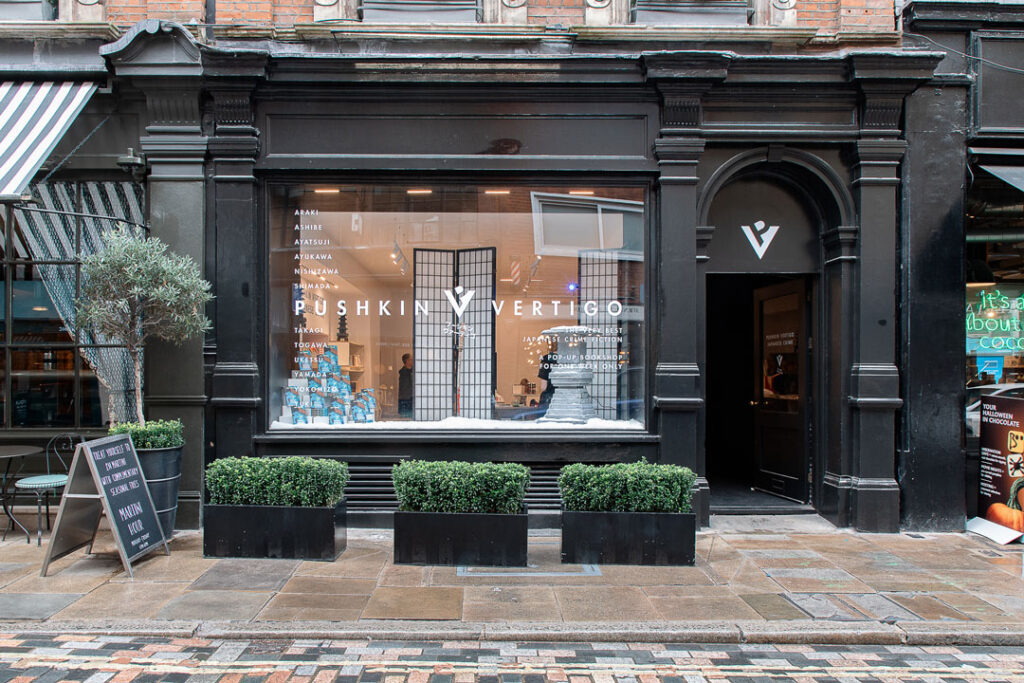
The holiday retail season brings a different set of demands for brands. Spaces need to work harder, product ranges often expand, gifting becomes a central part of the shopping experience, and tight production schedules leave little room for complicated installations.
Whether you’re planning a Christmas shop, seasonal showroom, gifting activation or temporary retail residency, the furniture you choose has a direct impact on how the space looks, feels and functions.
But creating an effective holiday retail environment is about more than adding festive details. The strongest spaces balance product presentation, customer flow and practical requirements, while remaining flexible enough to accommodate the demands of the season.
Here’s what to consider when choosing furniture for a holiday pop-up.
1. Start With the Purpose of the Space
Before selecting furniture, establish what the activation needs to achieve.
A seasonal retail space designed to drive direct sales will have different requirements from a gifting suite, brand showroom or press event. Understanding the primary purpose will help determine the furniture, layout and level of product presentation required.
For example:
- Seasonal retail: Prioritise accessible product displays, clear circulation routes and an efficient checkout area.
- Gifting suites: Allow space for product discovery, curated displays, guest movement and gift collection.
- Brand showrooms: Focus on considered product presentation, open layouts and opportunities for interaction.
- Experiential activations: Create distinct areas for product discovery, content capture and guest engagement.
The key is to design around the customer journey rather than filling the available floor space with furniture.
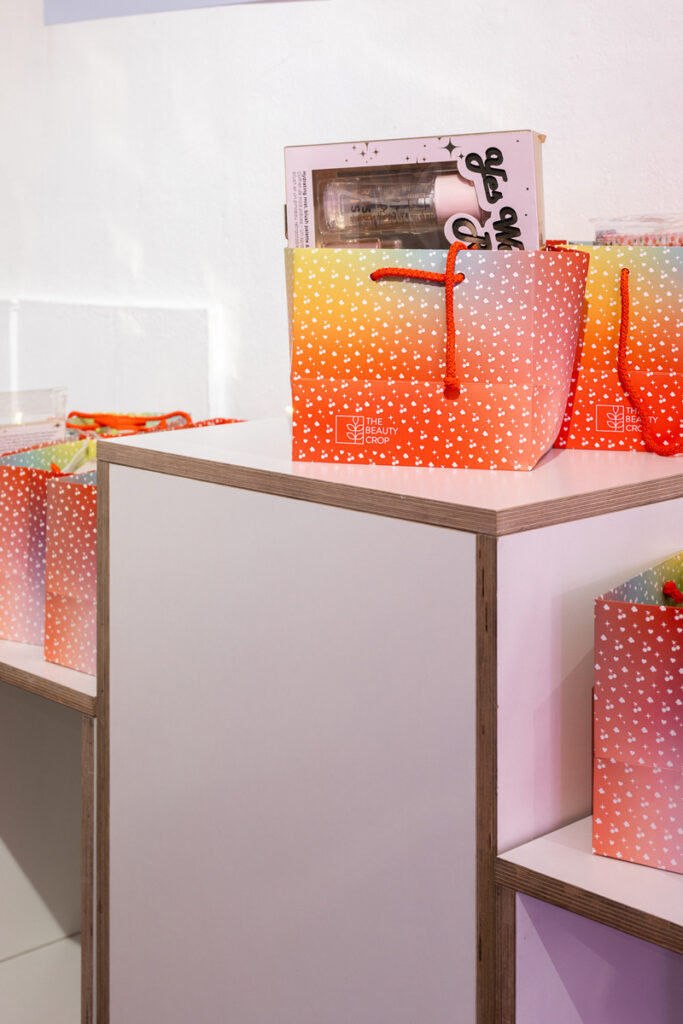
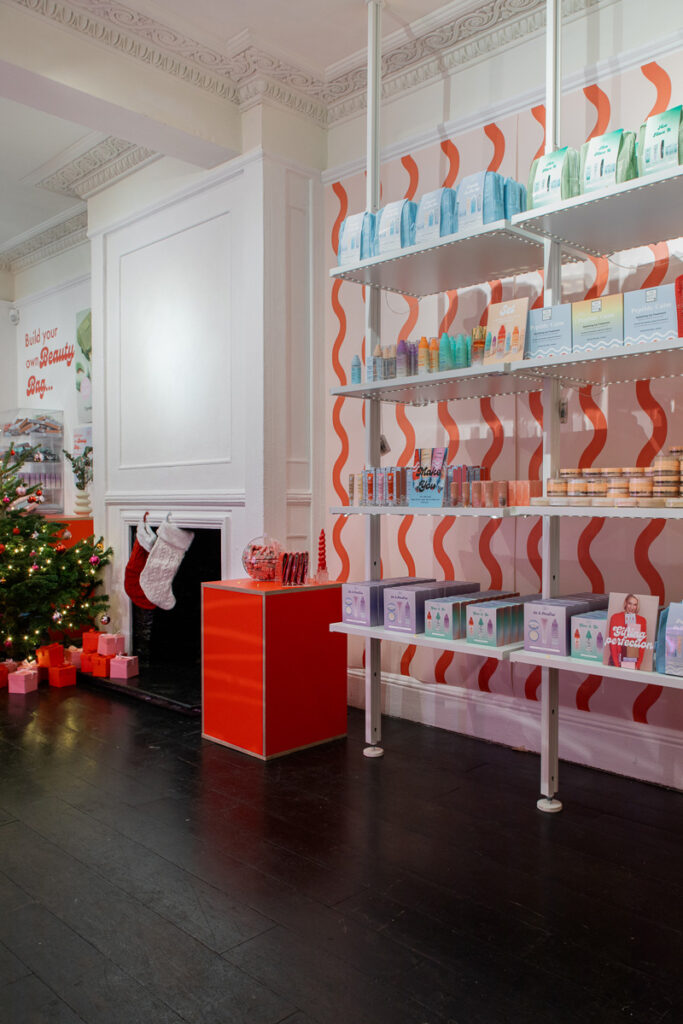
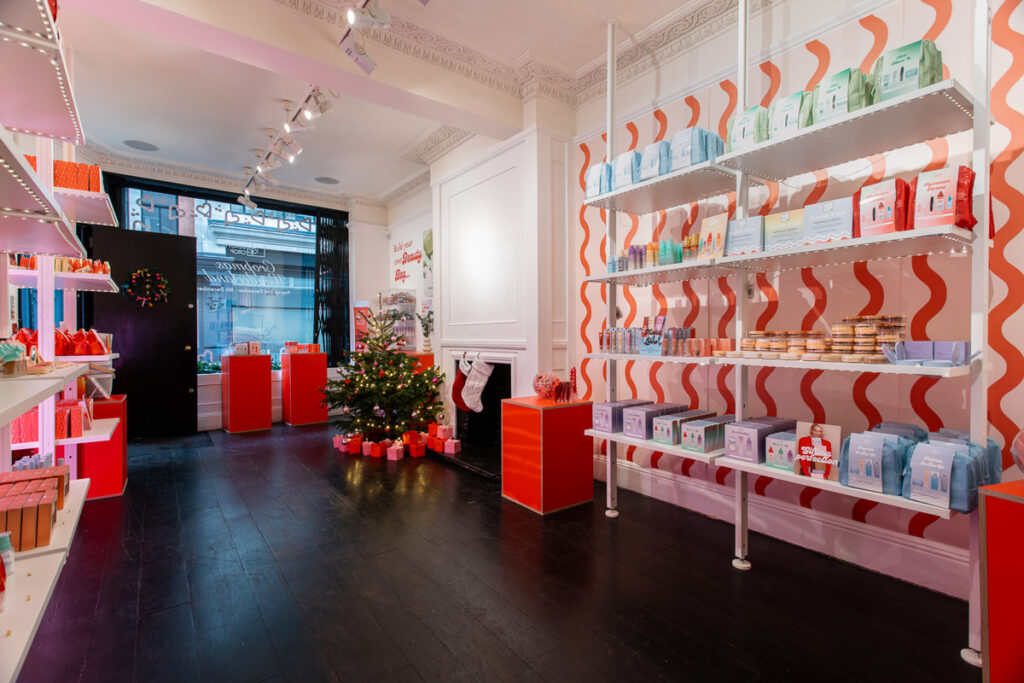
Holiday pop-up furniture hire for Beauty Crop by FoundPop
2. Choose Furniture That Makes Products the Focus
Holiday retail is often visually busy. Seasonal packaging, gifting displays, promotional messaging and additional stock can quickly compete for attention.
Furniture should provide structure without distracting from the products themselves.
Consider a combination of:
Display plinths
Useful for highlighting hero products, limited editions or gift sets. Different heights can create visual interest while helping individual products stand out.
Shelving units
A practical option for presenting multiple product categories, creating vertical display space and keeping stock accessible. Modular shelving can also be adjusted to accommodate different product sizes.
Display tables
Suitable for curated collections, gifting edits and seasonal product arrangements. Tables can create a central focal point or help define individual product zones.
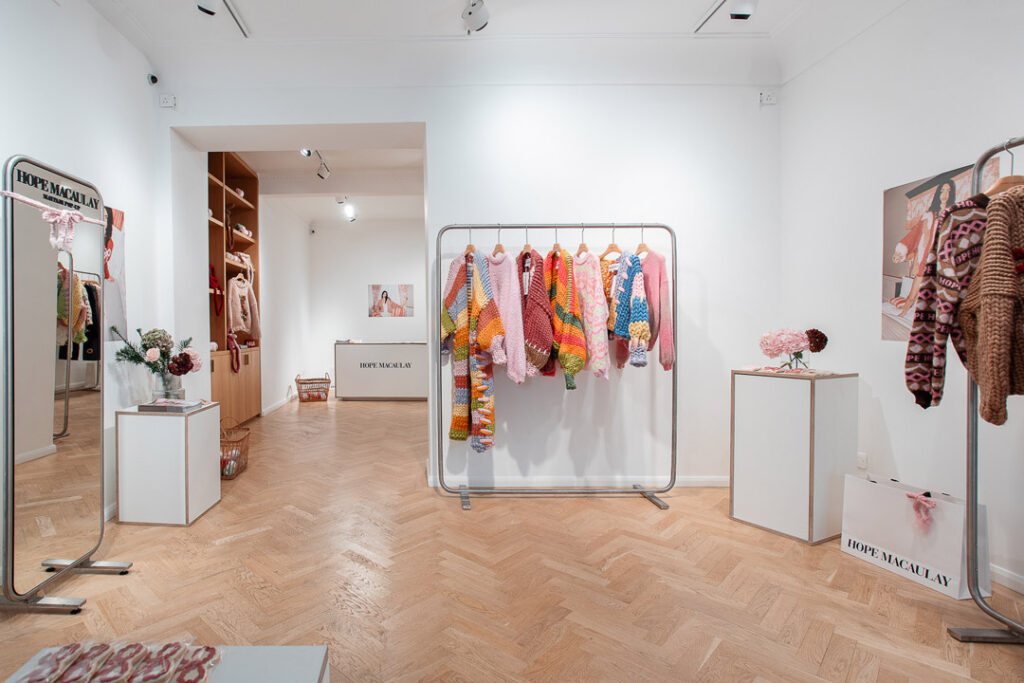
Clothing rails
Essential for fashion and accessories brands, particularly when presenting seasonal collections or giftable wardrobe pieces. Keeping rails organised and appropriately spaced makes browsing easier.
Mirrors and fitting rooms
Important for fashion-led retail environments where customers need to interact with products before purchasing.
The best furniture choices are those that support the merchandise, suit the brand’s visual identity and work within the practical constraints of the venue.
3. Make the Most of Your Floor Space
One of the biggest challenges when planning a temporary retail space is balancing product density with customer movement.
During the holiday season, customers may be browsing with shopping bags, visiting in groups or moving between displays during busy periods. A layout that looks good in a floor plan may feel very different once the space is occupied.
A few principles can help:
- Keep entrances clear. Make the first impression immediate and avoid obstructing the entrance with oversized displays.
- Create a natural browsing route. Position furniture to encourage movement through the space rather than creating unnecessary bottlenecks.
- Use vertical space. Shelving and taller displays can increase product presentation capacity without taking up additional floor area.
- Allow room around key displays. Give customers enough space to browse, handle products and move between different areas.
- Keep checkout accessible. Make sure the point of sale is easy to identify without interrupting the wider customer journey.
For smaller spaces, multifunctional furniture and modular displays can help maximise the available footprint without making the environment feel overcrowded.


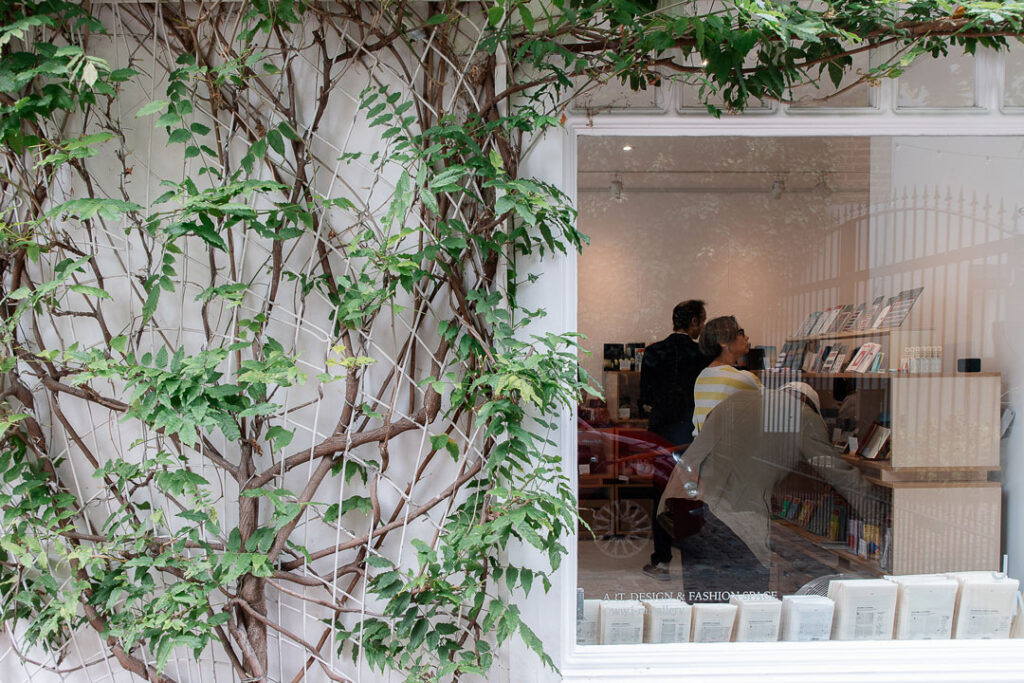
Holiday event furniture hire for Hope Macaulay by FoundPop
4. Create a Seasonal Feel Without Overdesigning
A successful holiday activation doesn’t need to rely on traditional Christmas decoration.
For design-led brands, a more considered approach can create a stronger connection between the retail environment and the wider brand identity.
Start with the furniture and overall material palette. Natural timber, metal finishes, neutral tones and carefully selected display pieces can provide a versatile foundation for seasonal styling.
Then introduce seasonal details through:
- Curated gifting arrangements and product groupings.
- Branded signage and subtle graphic applications.
- Seasonal packaging and colour accents.
- Lighting that highlights key products and display areas.
- Styling details that complement the collection rather than compete with it.
The aim is to create a space that feels relevant to the season without losing the brand’s identity. A well-designed environment should feel considered, not overworked.
5. Think Beyond the Display: Plan the Operational Details
The visual side of a holiday activation is only one part of the production process. Behind every successful retail environment is a practical plan for installation, stock management and day-to-day operation.
Before confirming your furniture, consider:
Storage: Where will additional stock, packaging, shopping bags and staff belongings be kept? Avoid using customer-facing display areas as overflow storage.
Checkout: Does the space need a dedicated cash desk or point-of-sale unit? Consider power access, payment equipment and room for packaging.
Installation: Check delivery access, loading restrictions, lift dimensions, installation windows and any venue-specific requirements.
Staff movement: Make sure the team can replenish products, assist customers and move around the space without disrupting the experience.
Peak trading periods: Consider how the layout will function when the space is busiest, not just when it is empty.
Addressing these details early can reduce last-minute changes and make installation more straightforward.
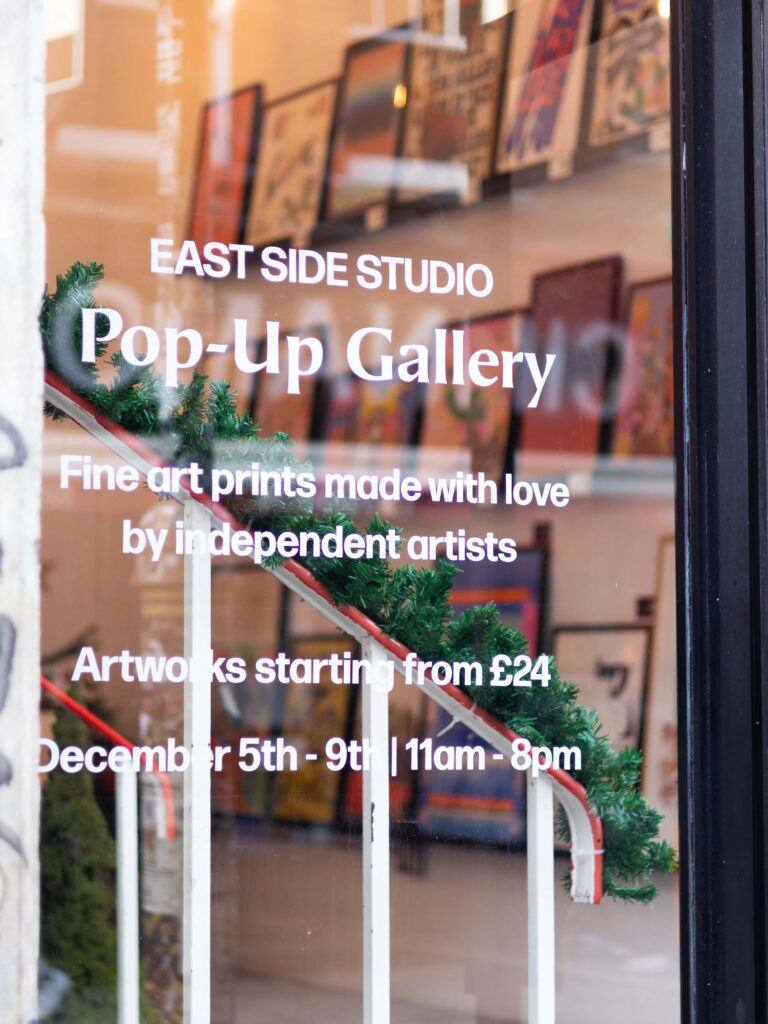
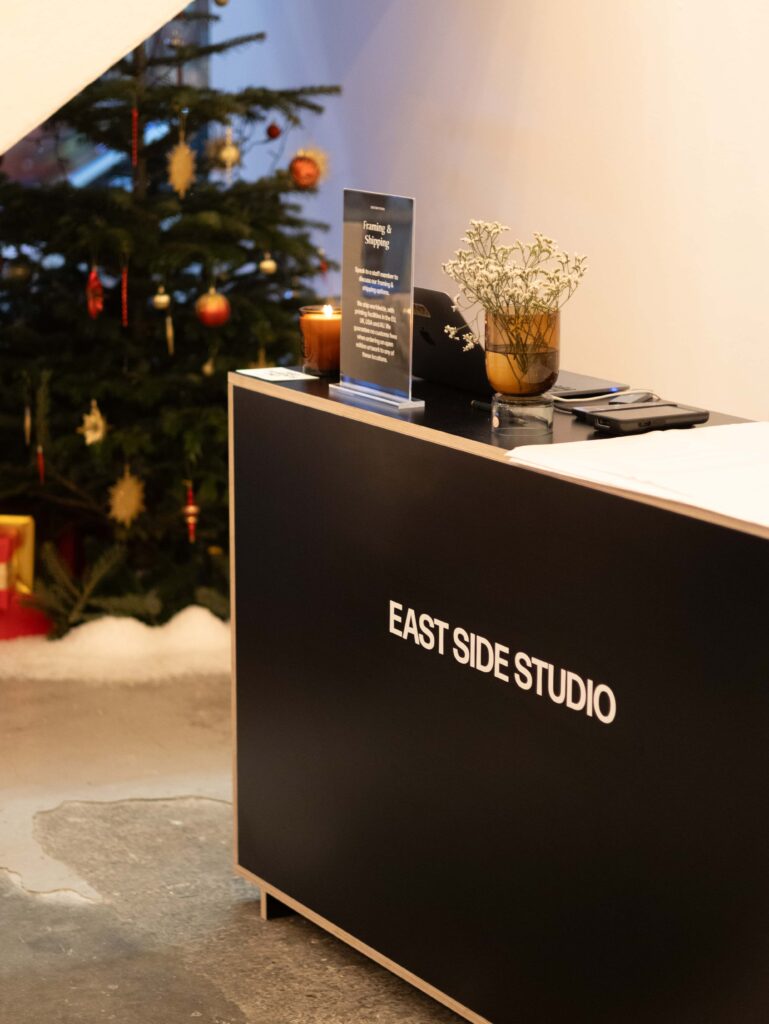
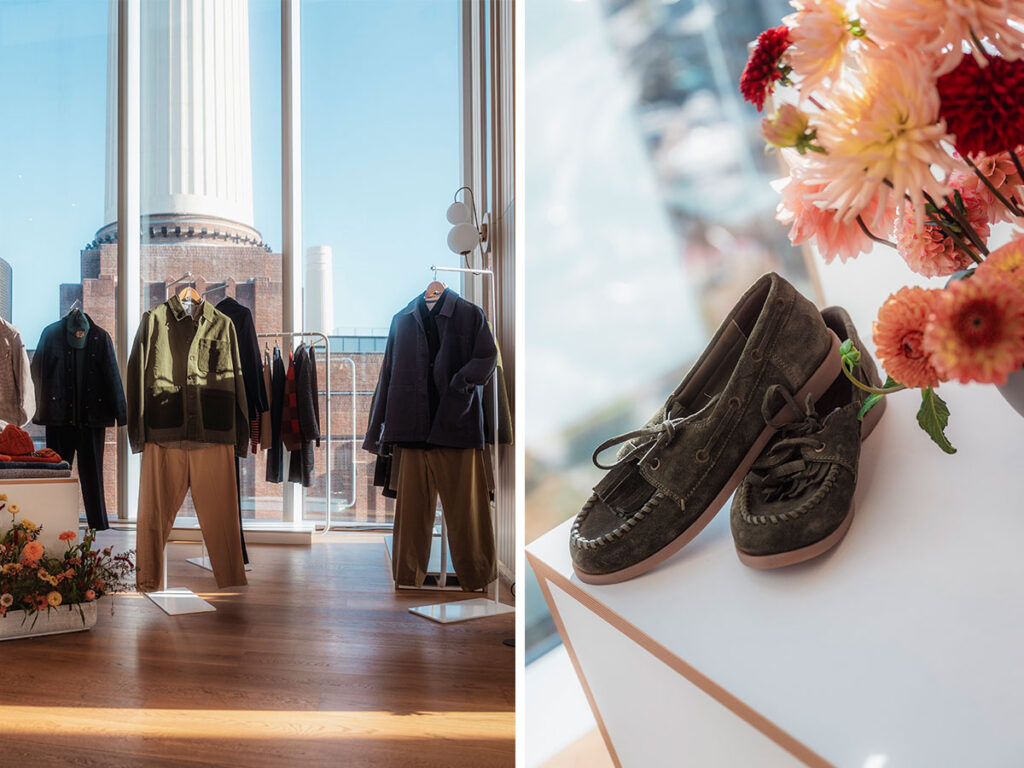
Holiday event furniture hire for East Side Studio by FoundPop
6. Hire Furniture for Flexibility During Peak Season
Seasonal retail often involves short booking windows, changing requirements and limited time between installation and opening.
Buying furniture for a temporary activation can create additional costs, storage requirements and logistical considerations, particularly when the pieces may only be needed for a few weeks.
Furniture hire offers an alternative, allowing brands and production teams to select the pieces they need for the duration of an activation without committing to permanent stock.
It can also provide greater flexibility when working across different venues, formats and seasonal campaigns.
When choosing a furniture hire partner, look for:
- A clear and reliable product range.
- Modular furniture that can adapt to different layouts.
- Transparent pricing and availability.
- Delivery and collection options that work with your production schedule.
- Furniture that can be reused across future activations.
For brands running multiple seasonal events, choosing adaptable furniture can make future planning more efficient while supporting a more circular approach to production.
7. Plan Ahead for the Holiday Trading Rush
The busiest weeks of the retail calendar place additional pressure on production teams, venues and suppliers. Furniture availability, delivery schedules and installation windows can become more difficult to coordinate as demand increases.
Planning early gives teams more time to confirm the right furniture, agree layouts and resolve practical considerations before installation.
A few useful steps:
- Confirm your venue dimensions and floor plan.
- Establish the purpose and requirements of the activation.
- Create a furniture list based on product presentation and customer flow.
- Confirm delivery, access and installation requirements.
- Secure furniture availability before finalising the production schedule.
Ready-to-book furniture packages can also help simplify the process, particularly when timelines are tight and teams need a clear starting point.
The Takeaway: A Better Holiday Retail Space Starts With Better Planning
The most effective holiday retail spaces are not necessarily the biggest or most elaborate. They are the ones where every element has a purpose.
Furniture should support the products, make the customer journey easier and help the space function during its busiest moments. With the right combination of display pieces, practical planning and a flexible approach to production, temporary retail environments can deliver a considered brand experience without unnecessary complexity.
For brands and producers preparing for the holiday season, getting the foundations right early makes all the difference.
Planning a seasonal activation? Explore FoundPop’s holiday AW26 furniture packages for ready-to-book furniture combinations designed to make peak-season planning more straightforward.
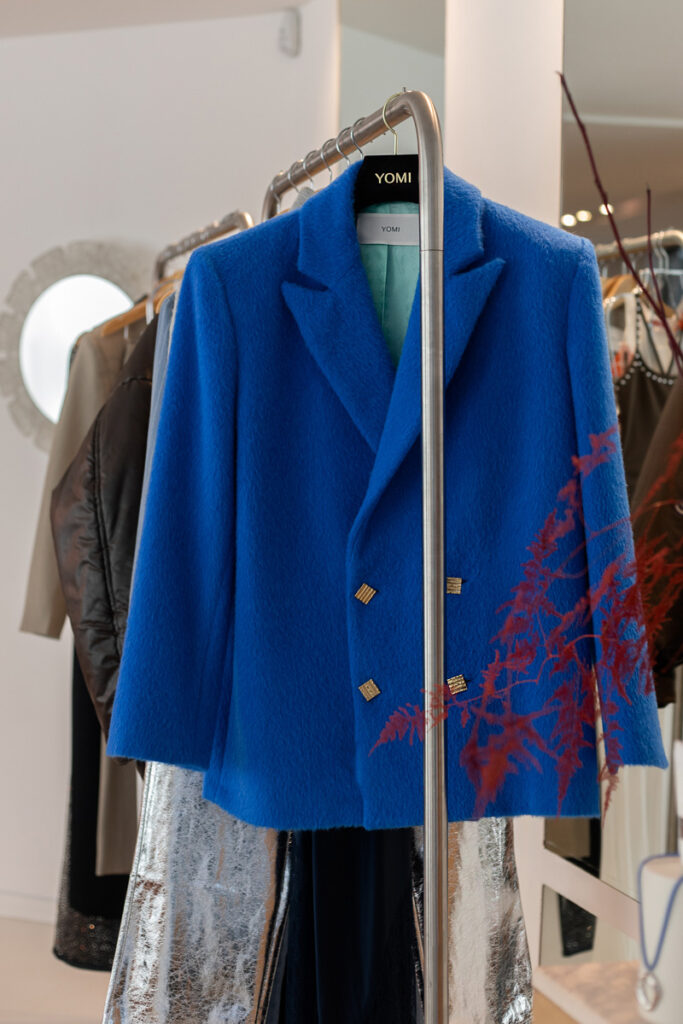
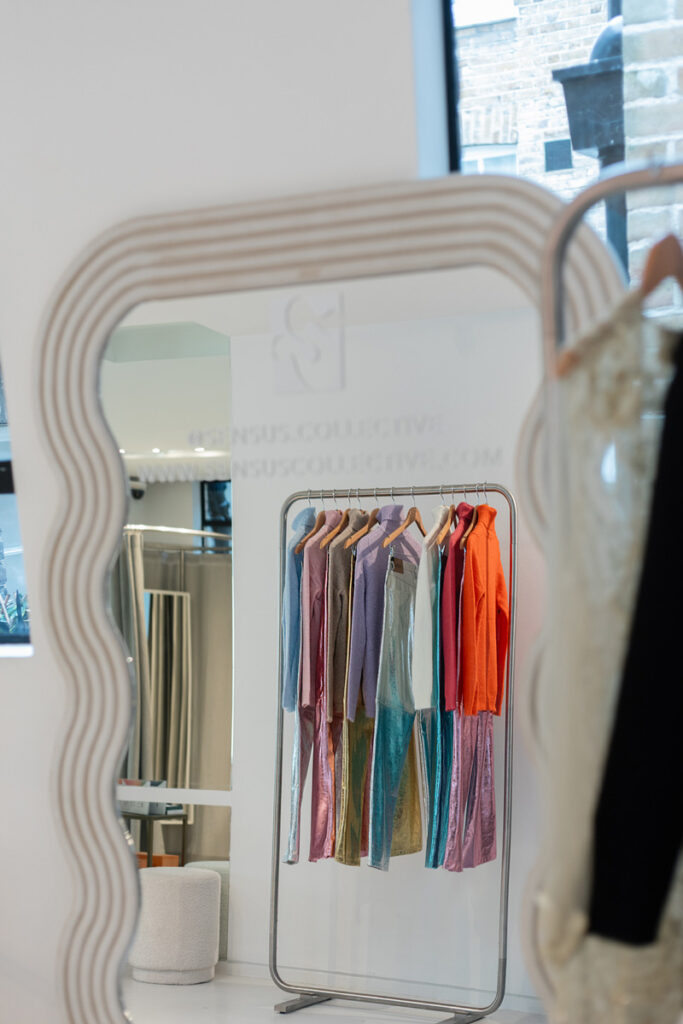
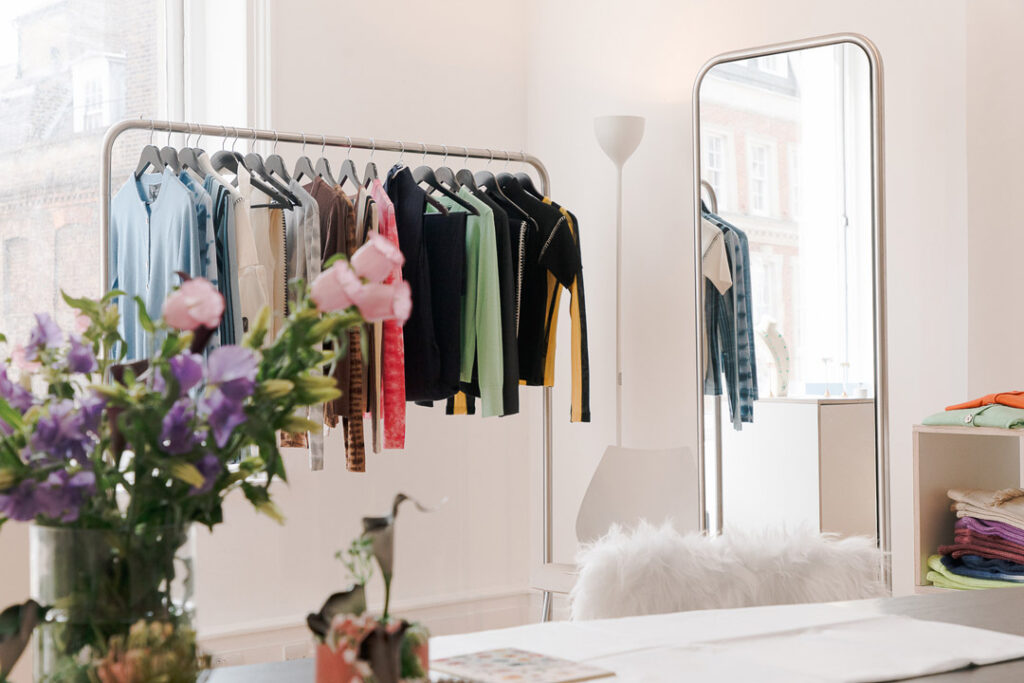
Holiday event furniture hire for Sensus Collective by FoundPop
Frequently Asked Questions
What furniture do you need for a holiday pop-up?
The furniture required depends on the type of activation, available floor space and products being presented. Common options include display tables, shelving units, plinths, clothing rails, mirrors, fitting rooms and cash desks. The aim is to select pieces that support product presentation while allowing customers to move comfortably through the space.
How do you design a successful Christmas pop-up shop?
Start by defining the purpose of the space and understanding the customer journey. Choose furniture that complements the products, create clear browsing routes, make checkout accessible and allow sufficient room for stock and staff. Seasonal styling should support the brand identity rather than overwhelm the retail environment.
What is the best furniture for a small holiday retail space?
Modular shelving, compact display tables and multifunctional furniture are useful for smaller retail spaces. Vertical displays can increase product presentation capacity, while carefully planned layouts help maintain clear customer routes. Avoid overcrowding the space with too many individual furniture pieces.
Should you hire or buy furniture for a holiday pop-up?
Furniture hire can be a practical option for temporary retail activations, particularly when furniture is only required for a limited period. It reduces the need to purchase, store and transport permanent furniture, while providing access to different styles and configurations. Buying may be more suitable for brands with ongoing, repeated requirements for the same furniture.
When should you book furniture for a Christmas pop-up?
Ideally, furniture should be confirmed as early as possible once the venue, activation dates and approximate layout are established. The holiday season is a busy period for retail and event production, so early planning gives teams more time to secure availability, coordinate logistics and make adjustments before installation.
Making the Most of the Holiday Retail Season
A successful holiday activation comes down to getting the details right. From choosing furniture that puts products first to planning customer flow, storage and installation, every decision contributes to how the space looks and performs.
With peak-season schedules already under pressure, planning ahead gives brands and production teams more control over the process, helping avoid unnecessary complications and make better use of the space available.
For those preparing their next seasonal retail activation, FoundPop’s holiday AW26 furniture packages offer a ready-to-book starting point for creating a considered retail environment, without adding complexity to the production process.
Explore the FoundPop furniture collection, try the 3D Space Planner and start planning your next space.