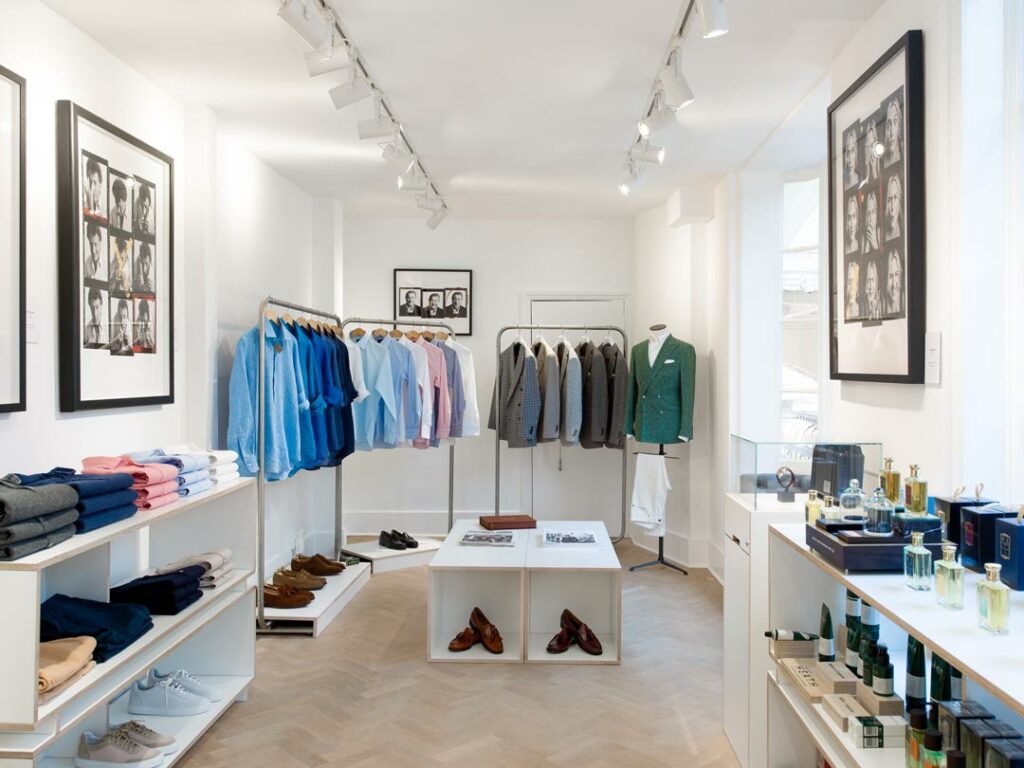
Featured Photo of Gentlemen’s Journal featuring FoundPop Furniture
Welcome to part two of our How To Launch a Pop-Up series, sharing the steps to achieve pop-up success and how to grow your brand. If you are new to pop-up shops, these temporary retail spaces are an innovative way to test new products, concepts, and markets without the long-term commitment of a traditional store. The flexibility has made them increasingly popular, especially among new businesses looking to attract customers quickly and efficiently.
In recent years, pop-up shops have gained traction in the UK, with nearly a third of new businesses starting this way. These shops often appear in high foot traffic areas, making reaching your target demographic easier. The short-term nature of pop-up shops creates a sense of urgency and excitement, encouraging customers to make quick purchasing decisions.
Pop-up shops also provide a unique opportunity for online businesses to engage with customers in person. This IRL interaction helps build stronger relationships and provides immediate feedback. Whether you’re an established brand or a new entrepreneur, a pop-up can be an effective strategy to boost visibility and sales.
Defining the Pop-Up Shop Concept
A pop-up shop is a temporary retail space that allows brands to engage with customers, test new markets, and create a sense of urgency. These shops bring flexibility and innovation to the retail sector.
Characteristics of Pop-Up Retail
Pop-up shops are temporary by nature. They often appear in high-traffic areas such as busy streets or malls and can last from a few days to a few months. The short lifespan creates a sense of urgency, encouraging customers to make quick decisions.
Flexibility is key. Brands can experiment with different store layouts and concepts without a long-term commitment. Costs are generally lower compared to permanent stores, making it affordable for smaller brands or startups.
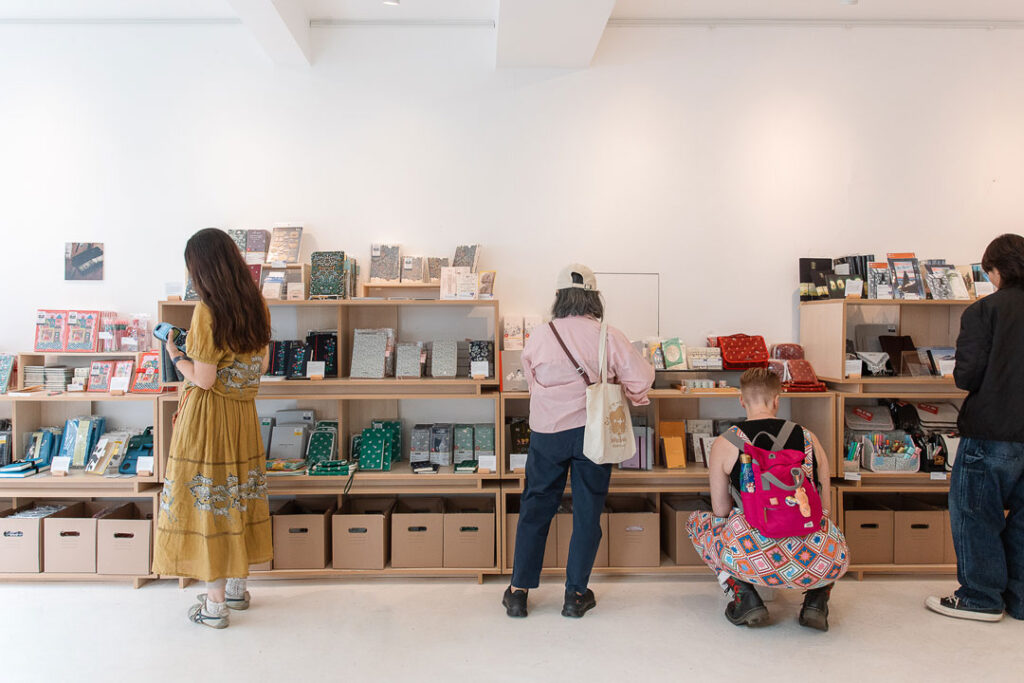
Interaction with customers is more personal. Since pop-up shops are usually smaller, staff can engage more directly with shoppers, offering a unique and memorable experience. This direct interaction can build stronger customer relationships.
Varieties of Pop-Up Shops
• Standalone Pop-Up Shops occupy individual spaces like empty storefronts or market stalls. They often target high-footfall locations to maximise visibility.
• Shop-in-Shop Concepts involve setting up within an existing store. This strategy allows brands to leverage the host store’s foot traffic and infrastructure while minimising setup costs.
• Mobile Pop-Up Shops use vehicles like vans or trucks. These are highly adaptable and can move to different locations, making them accessible to a wider audience.
• Flash Retailing Events are very short-term shops, often tied to specific events or holidays. They can create a significant buzz and attract crowds driven by the fear of missing out or FOMO.
Each variety serves a different purpose but shares the underlying concept of creating unique, temporary retail experiences.
Setting Up a Pop-Up Shop
When setting up a pop-up shop, it’s essential to consider the right location, secure a good venue and lease, take care of design and branding, manage stock effectively, and ensure you have well-trained staff. This helps to create a successful temporary retail experience.
Choosing the Right Location
Selecting the ideal spot for your pop-up shop is crucial. Look for areas with high foot traffic and accessibility. Consider the target demographic in the vicinity. Use market research to understand the habits of potential customers in the area. Additionally, evaluate nearby competitors to see if they might impact your sales. Opt for locations with good visibility and easy access, such as busy streets, shopping malls, or popular event areas. To receive our pop-up location guide, get in touch.
Securing a Venue and Lease
Once you’ve chosen a location, the next step is securing a venue and leasing. Contact property owners to inquire about available spaces. Ensure the lease terms fit your duration, cost, and flexibility needs. Be clear on what’s included in the lease, such as utilities and maintenance. Engage a legal expert to review the lease agreement to avoid any hidden pitfalls or clauses affecting your business.
Design and Branding Considerations
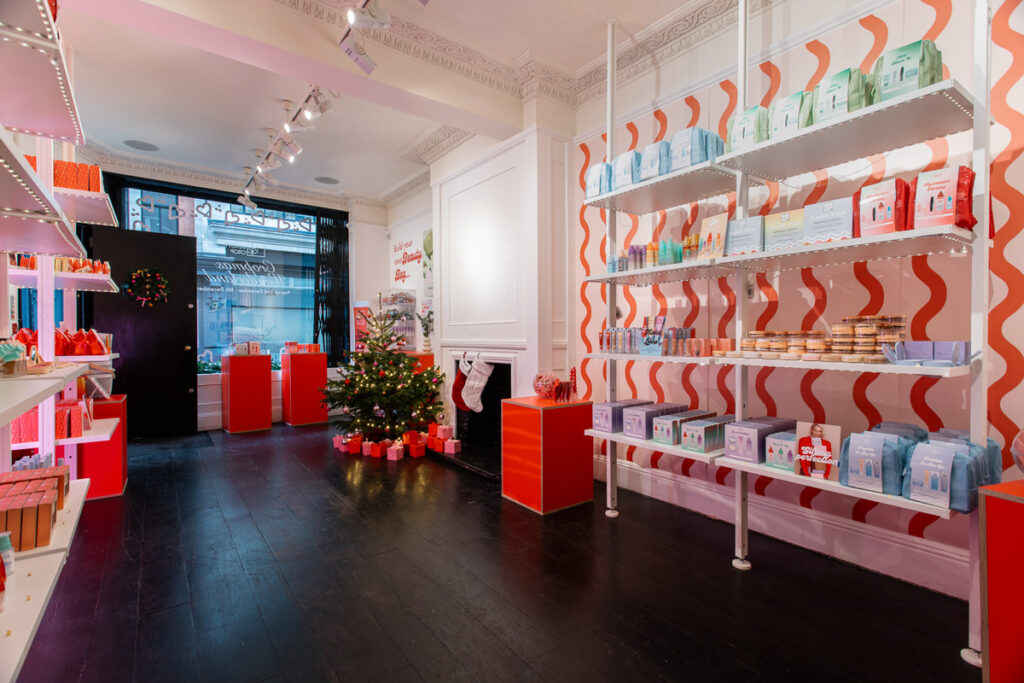
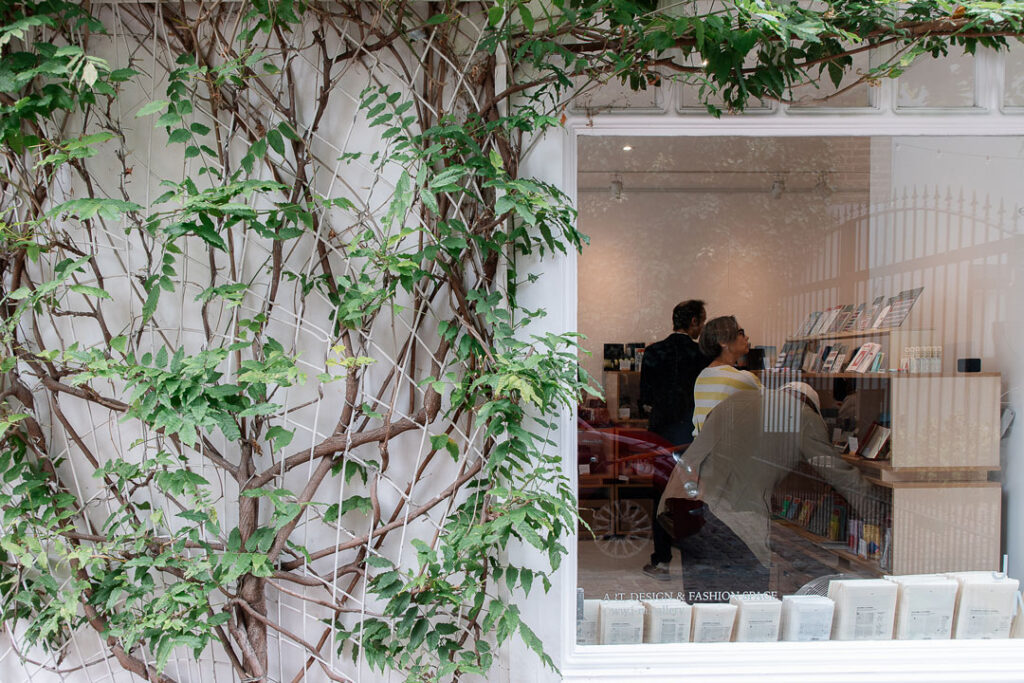
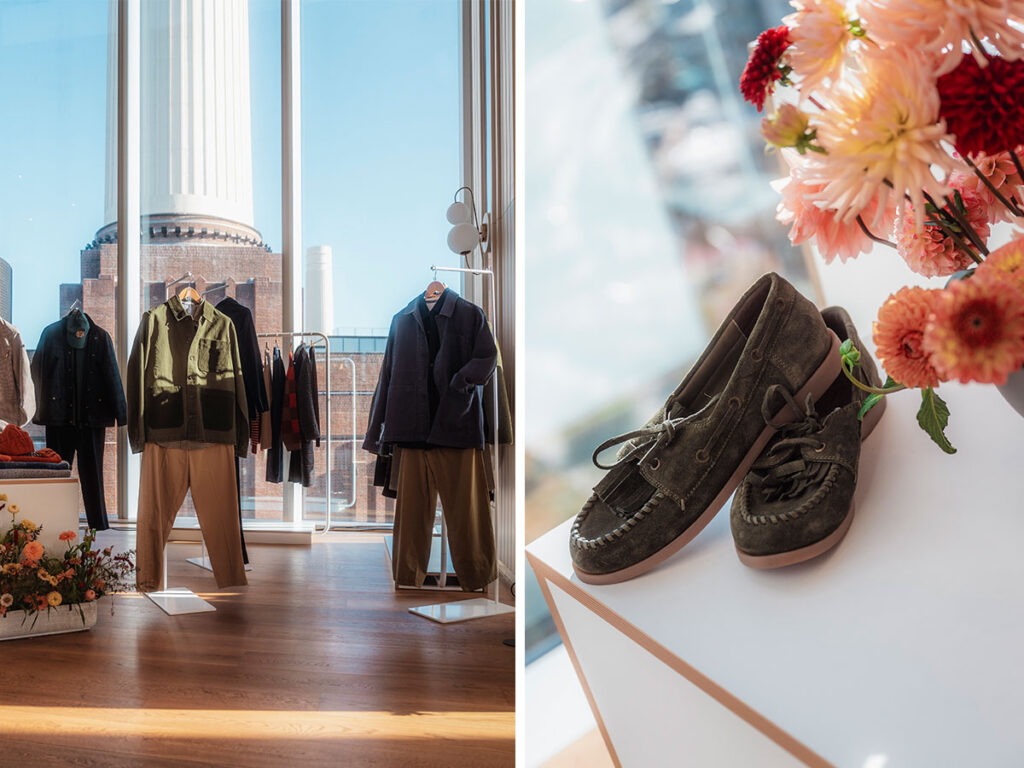
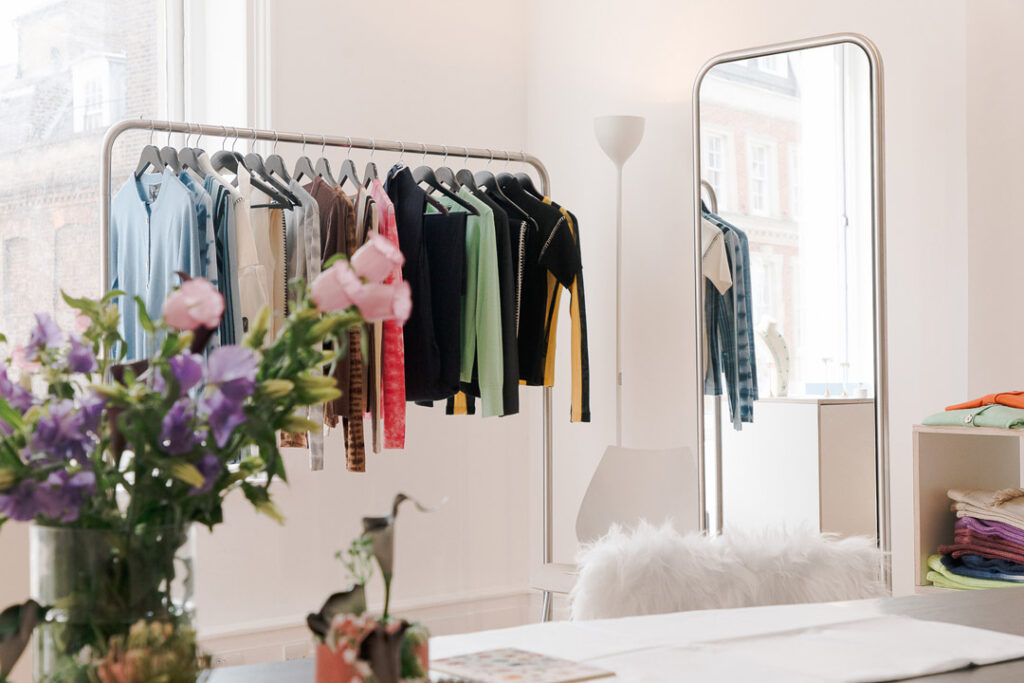
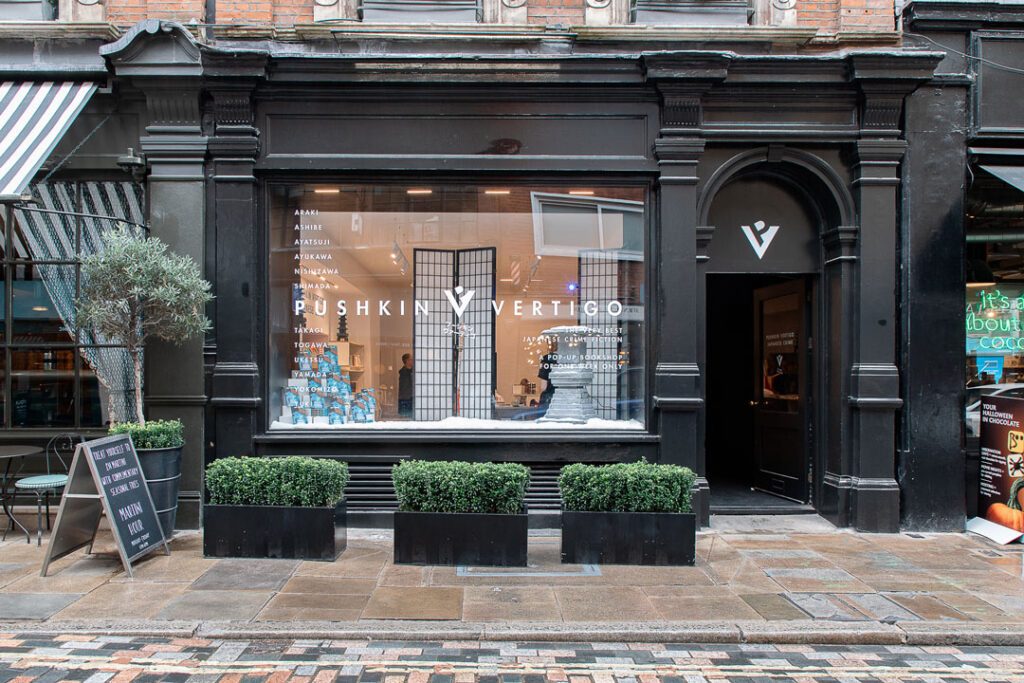
Your pop-up shop’s design and branding should reflect your brand’s identity. Invest in eye-catching signage and a cohesive interior design. Use branded materials to decorate the space, such as banners and posters. Create an inviting storefront to draw in customers. Ensure the layout allows for easy navigation and displays products effectively. Consider creating themed areas or focal points that highlight your best products. Quality lighting can also enhance the shopping experience and product appeal. For guidance on the optimal floor plan for your pop-up shop, get in touch.
Stock and Inventory Management
Managing stock and inventory is vital for the smooth operation of a pop-up shop. Start by estimating the amount of stock you’ll need based on expected foot traffic and similar business experiences. Use an inventory system to track stock levels and sales. Plan for restocking, especially if the pop-up shop runs over several days or weeks. Over-stocking can lead to waste, while under-stocking can result in missed sales opportunities. Make sure the stock is easily accessible for quick restocking when needed.
Staffing and Training
Having trained staff is essential for customer service and operational efficiency. Hire friendly, knowledgeable, and capable of handling various retail tasks. Provide training on product knowledge, sales techniques, and customer service. Staff should also be aware of your brand values and able to communicate them effectively. Ensure they know how to handle transactions, including using the point-of-sale system, and can manage stock. Consider having a manager to oversee operations and solve any issues that arise.
Marketing and Promotion
Creating a successful pop-up shop requires a focused marketing and promotion strategy. This involves developing detailed plans, leveraging social media and influencers, and targeting the right audience.
Developing a Marketing Strategy
A robust marketing strategy is essential for attracting visitors to your pop-up shop. Start by defining your goals such as increasing brand awareness, boosting sales, or testing a new product. Set a budget to allocate resources effectively.
Organise events, such as interactive workshops or product demonstrations, to engage visitors. Offer incentives like discounts or exclusive products to drive traffic. Use combined offline and online marketing, including press releases, local media coverage, and email newsletters. Collaborating with local businesses can also create additional buzz. Partner with FoundPop for marketing support and content creation, plus a feature in digital magazine POP-ID.
Leveraging Social Media and Influencers
Social media and influencers are powerful tools for promoting your pop-up shop. Create dedicated pages or events on Instagram, Facebook, and Twitter platforms. Share behind-the-scenes content, event details, and special promotions.
Influencers can amplify your reach. Partner with them to create posts and stories about your pop-up. Their followers’ trust can drive visits and engagement. Use Instagram Live and Stories for real-time updates and audience interaction.
Encourage visitors to share their experiences online using a branded hashtag. This can create organic buzz and attract more visitors. Engage with comments and questions to build a community around your pop-up.
Targeting the Appropriate Audience
Identifying and targeting the right audience is crucial. Use geo-targeting to focus on people in the vicinity of your pop-up shop. Tailor your promotions to appeal to their interests and needs.
Create customer profiles to understand your audience better. Consider demographics such as age, gender, and lifestyle. Use this information to design marketing messages that resonate.
Local marketing efforts, like flyers and neighbourhood ads, can effectively reach your audience. Personalised invites to local influencers and loyal customers can also bring in crowds. Combining online and offline tactics ensures your message reaches the right people.
For part three of How To Launch a Pop-Up, partner recommendations and upcoming London events, stay tuned and subscribe to our digital magazine POP-ID.
Get a feel for FoundPop with our Space Planner, and when you’re ready to launch, pop us an email.