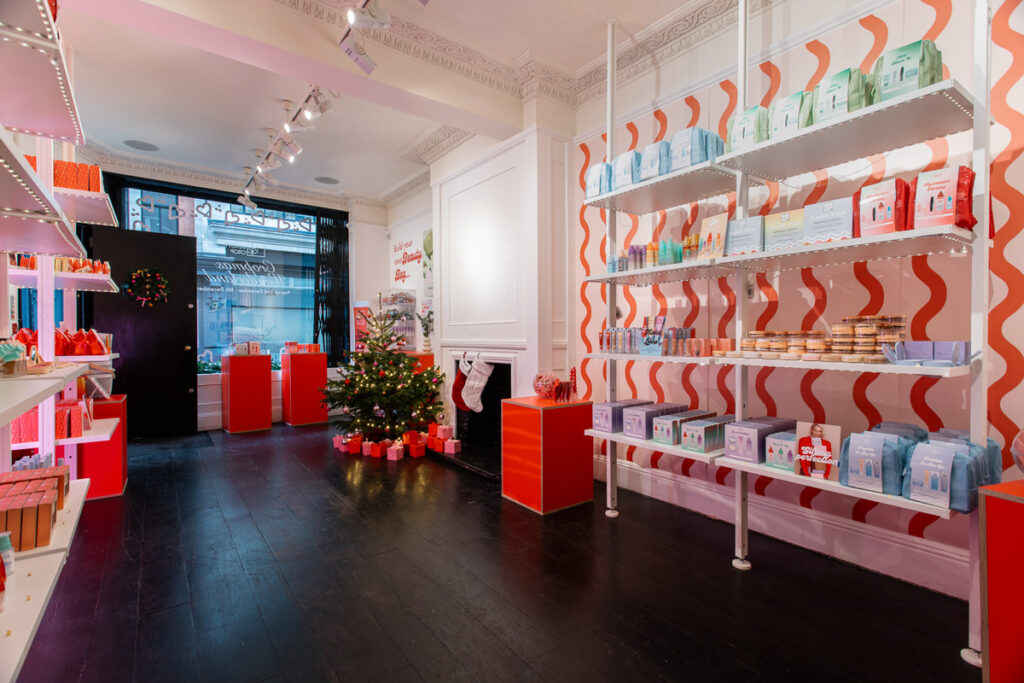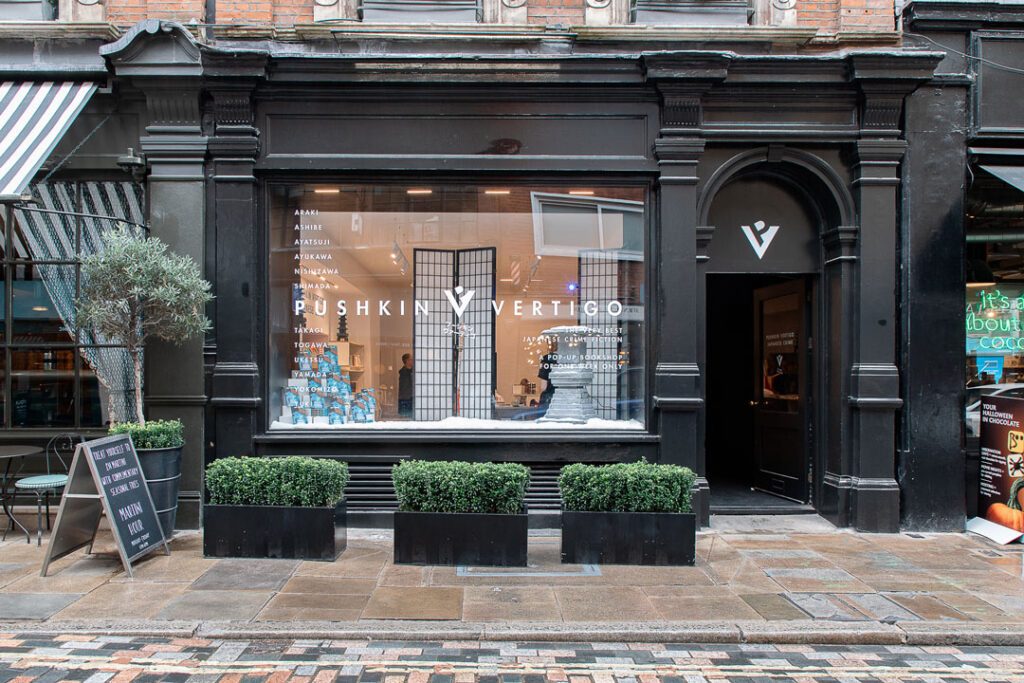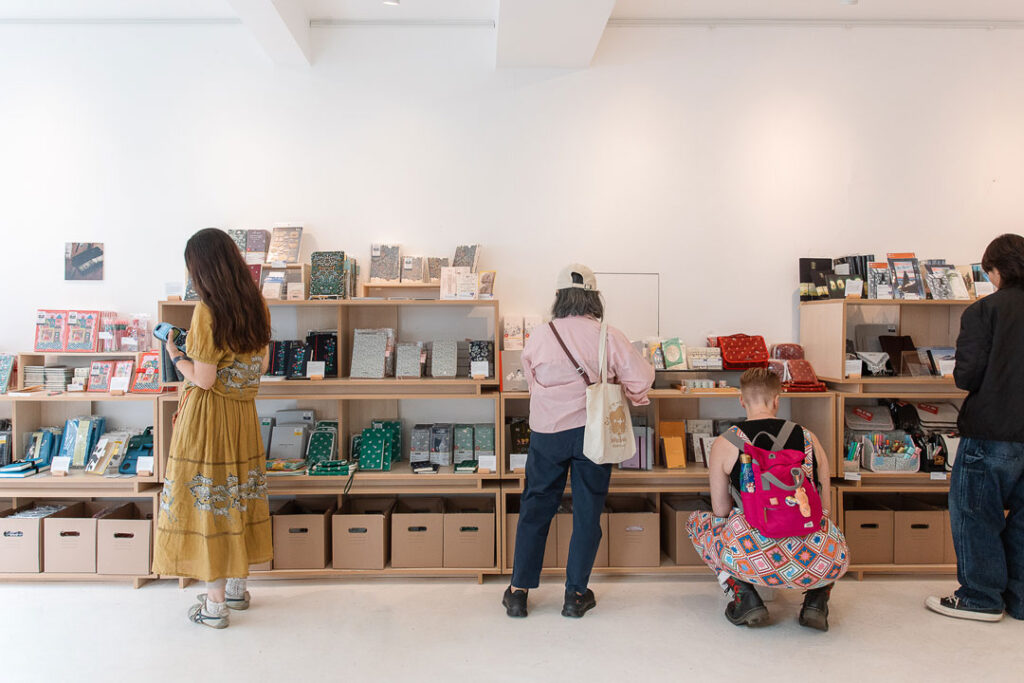
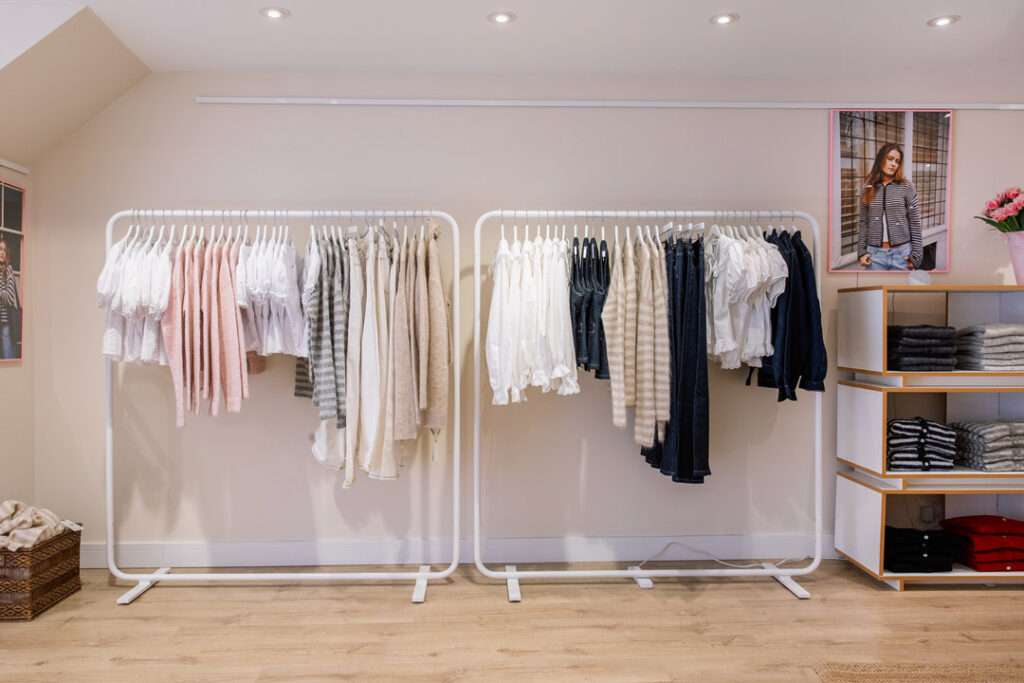
Cover photo of Minka Dink featuring event furniture hire by FoundPop
How producers are measuring success beyond sales
The question comes up early, and often.
Before the space is secured, before the design is finalised, before the first render is shared, there is a moment where producers and in-house teams have to justify the investment. Not just to stakeholders, but to themselves. Is this worth it?
For a long time, the answer was relatively simple. A pop-up existed to drive sales. If it performed commercially, it was deemed a success. If it did not, it was written off as a missed opportunity.
That clarity no longer exists.
Today, the role of a pop-up has expanded, and with it, the expectations placed on it. These spaces are no longer just temporary stores. They are expected to operate as content studios, brand platforms, and community environments, often all at once. As a result, the way success is measured has become more nuanced, and in many cases, more demanding.
Sales still matter, but they are now only one part of a much broader equation.
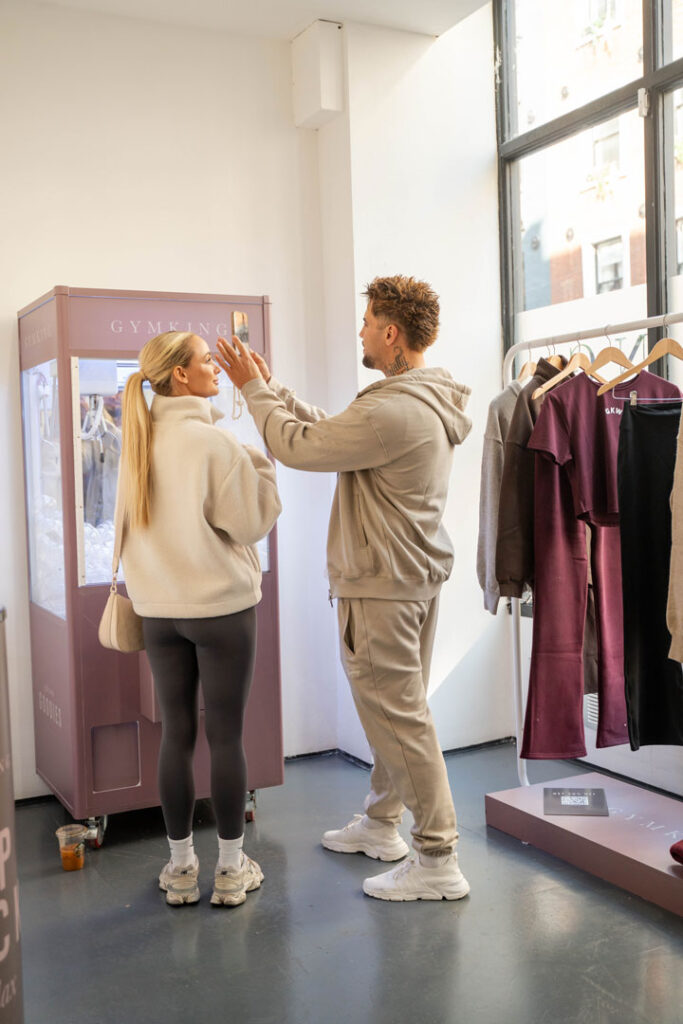
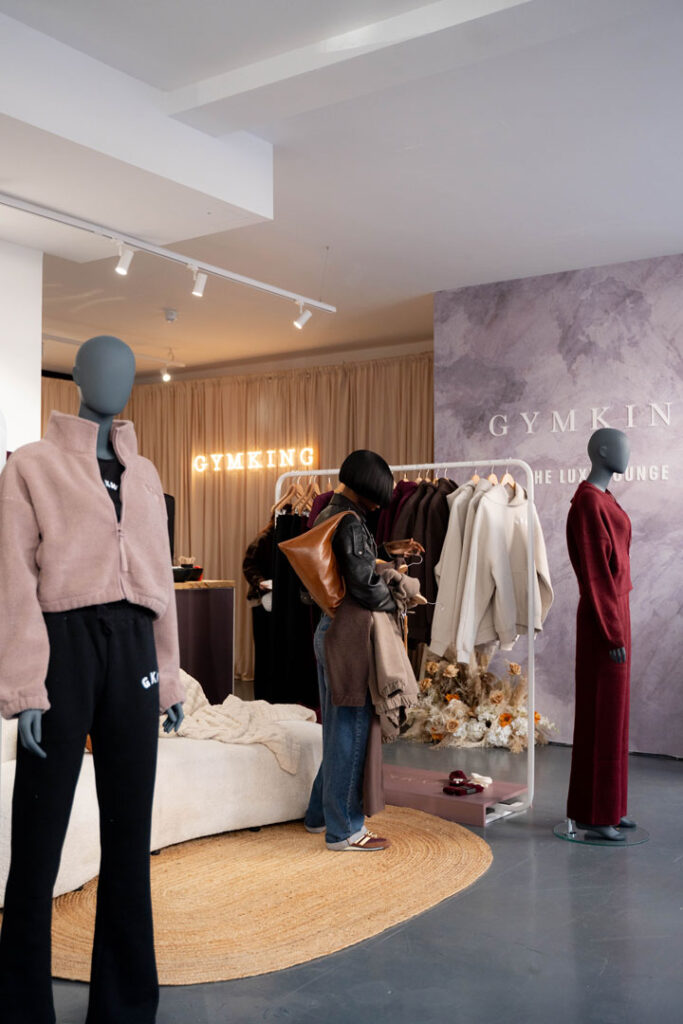
Photography of Gym King featuring event furniture hire by FoundPop
Content has become a primary output
One of the most immediate and tangible returns from a physical space is content. Not as a byproduct of the activation, but as a core deliverable in its own right.
Producers are increasingly thinking about how a space performs on camera as much as how it performs in person. It needs to hold up across multiple formats, from campaign imagery to social-first video, from influencer visits to behind-the-scenes documentation. A single environment may be expected to support all of this within the space of a few days.
This has subtle but important implications for design. It is no longer enough for a space to look good from one angle. It needs depth, flexibility, and variation. It needs to offer moments that can be captured and reinterpreted, again and again, without feeling repetitive.
In this context, the value of a pop-up is partly defined by how much usable, high-quality content it generates, and how far that content travels once it leaves the space.
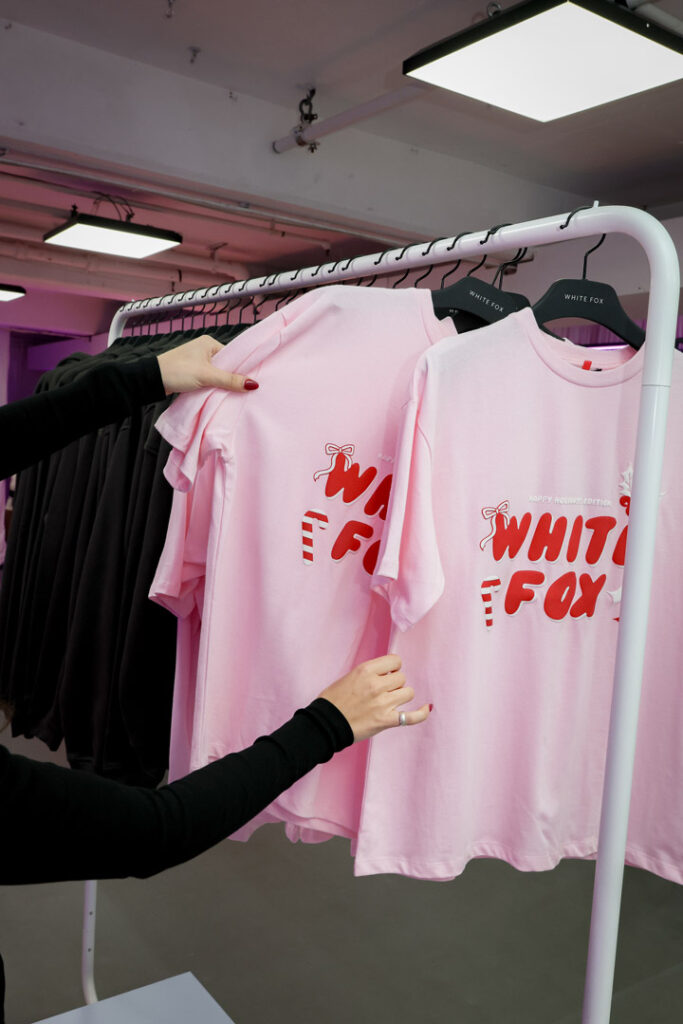
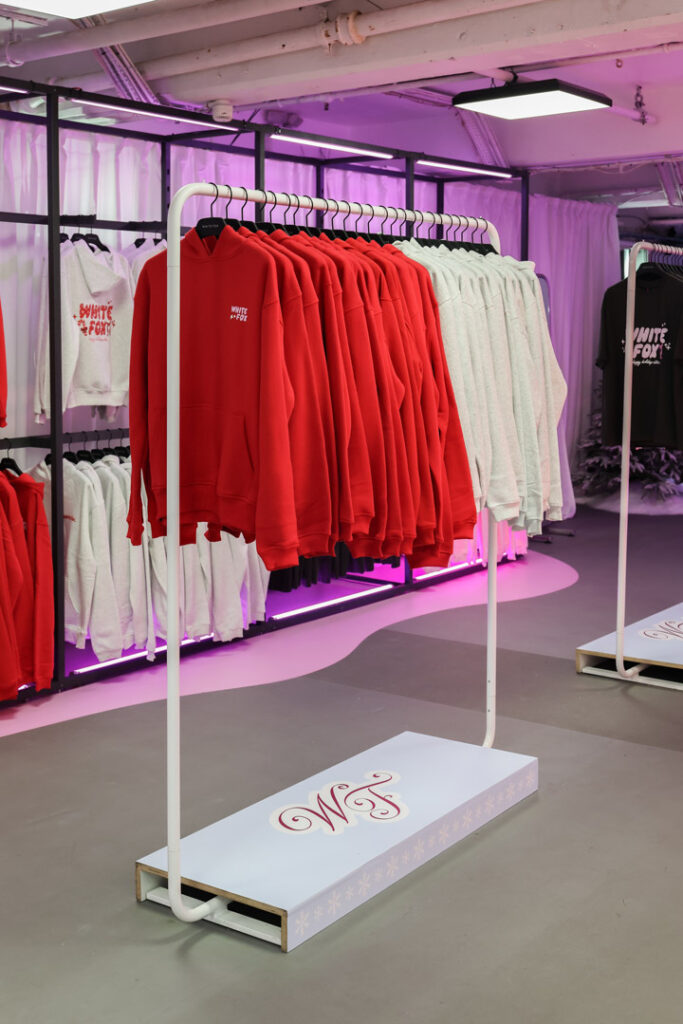
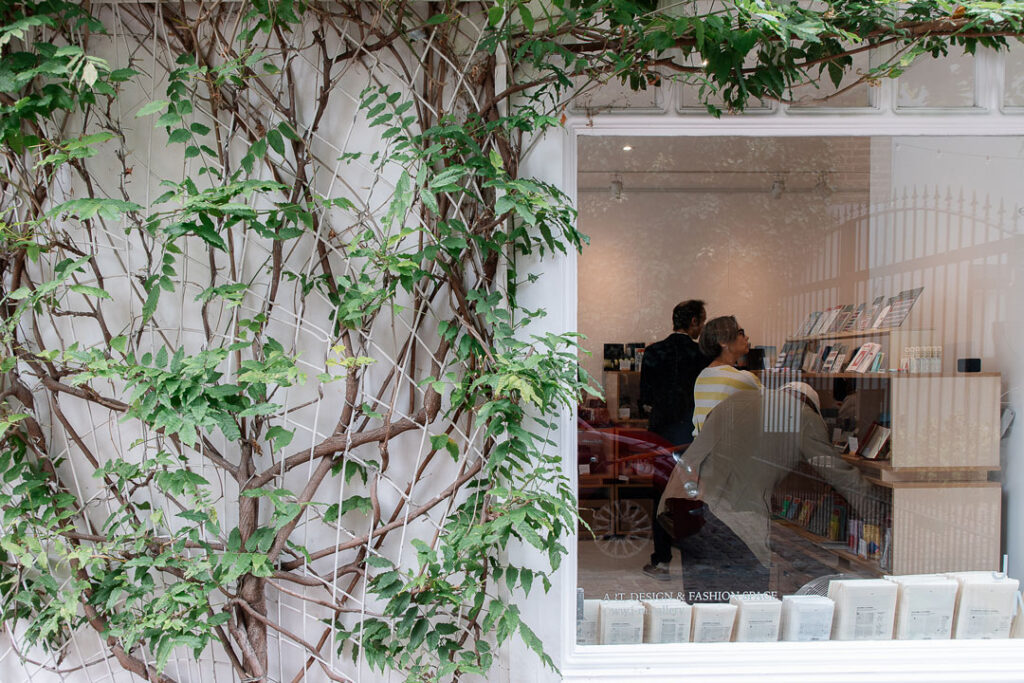
Photography of White Fox by Heaps + Stacks featuring event furniture hire by FoundPop
Reach is no longer limited by location
Footfall remains important, but it is no longer the sole indicator of performance. A well-attended space is valuable, but a well-documented one can extend far beyond its physical footprint.
The most effective activations are designed with this in mind. They create environments that invite interaction and encourage sharing, whether through thoughtful layouts, distinctive visual moments, or programming that draws in the right audiences. Press, creators, and collaborators all play a role in amplifying what happens within the space.
What emerges is a different understanding of reach. It is not just about how many people walk through the door, but how many people encounter the experience indirectly, through the content and conversations it generates.
Time spent is as important as volume
If reach measures breadth, dwell time offers a sense of depth.
Getting people into a space is one challenge. Giving them a reason to stay is another. The longer someone spends in an environment, the more likely they are to engage with the product, absorb the story, and form a meaningful impression of the brand.
This is where spatial design becomes quietly strategic. The way a space flows, the way it guides movement, the way it creates moments of pause or interaction, all contribute to how long people remain and how they experience what is on offer.
These decisions rarely draw attention to themselves, but they shape behaviour in ways that are directly tied to commercial outcomes.
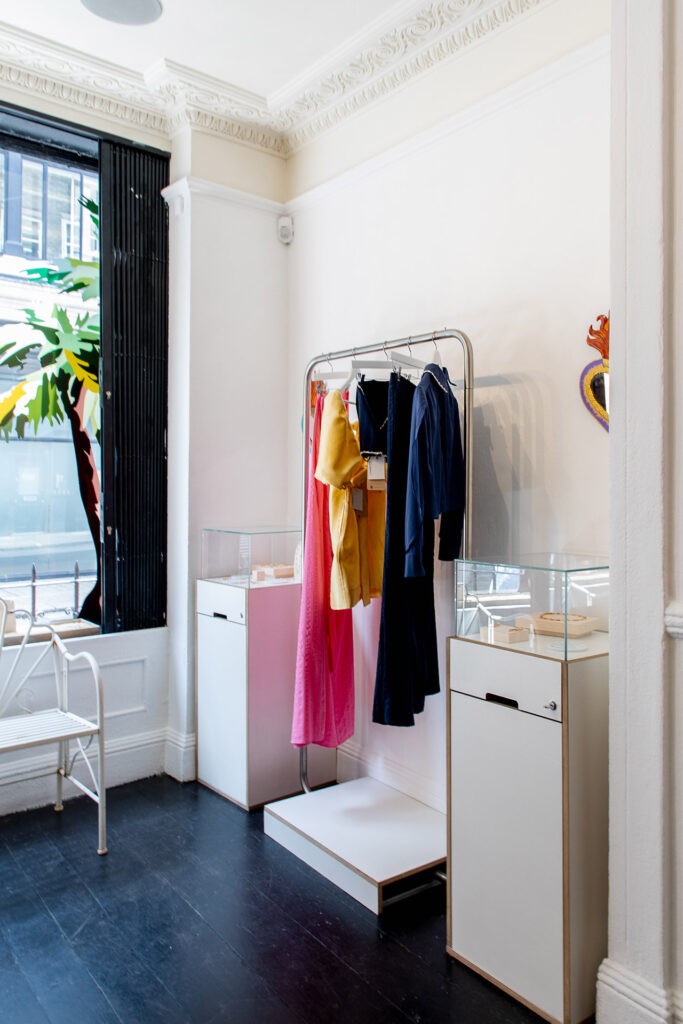
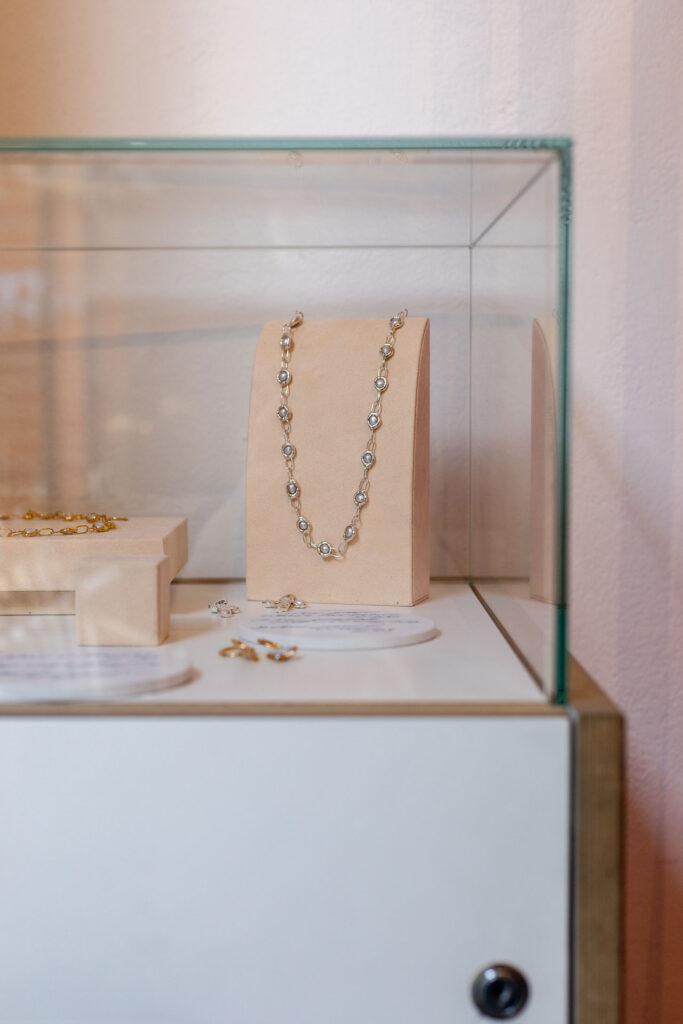
Photography of Tea and Tequila featuring event furniture hire by FoundPop
Repeat visits signal something deeper
Initial interest can be engineered. A strong launch, the right guest list, a well-timed announcement can all drive a surge of attention in the early days. What is harder to create is sustained relevance.
Repeat visits are often the clearest indication that a space is working. They suggest that the experience offers something beyond novelty, something that encourages people to return rather than simply move on.
This is typically supported by change. Rotating products, evolving displays, or a programme of events can all extend the life of a space and give people a reason to come back. For producers, this introduces a different kind of requirement. The environment must be designed to adapt over time without requiring a complete rebuild.
Flexibility, in this sense, is not just a logistical advantage. It is a way of maintaining momentum.
Community is the longer-term return
Some of the most valuable outcomes of a pop-up are not immediately visible. They build gradually, through repeated interactions and shared experiences.
A well-considered space can create a sense of community. It can bring together people with a shared interest, offer moments of connection, and establish a presence that extends beyond a single visit. This might take the form of workshops, talks, or collaborations, or it might simply emerge from the atmosphere of the space itself.
For brands, this kind of engagement is difficult to measure in the short term, but it has a lasting impact. It shapes perception, builds loyalty, and creates a foundation for future activity.

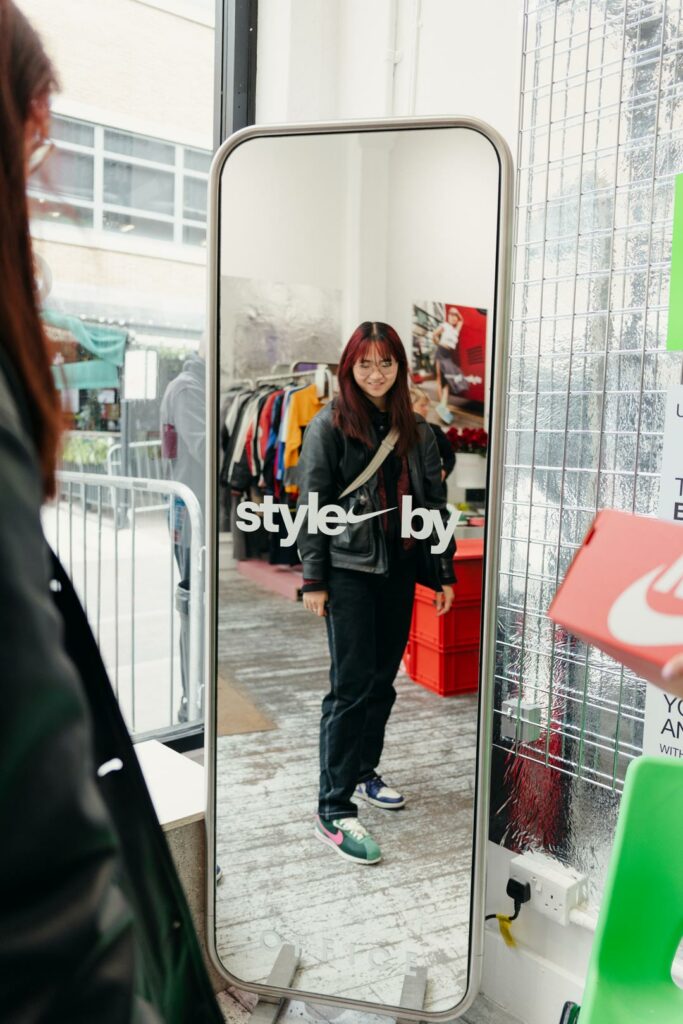
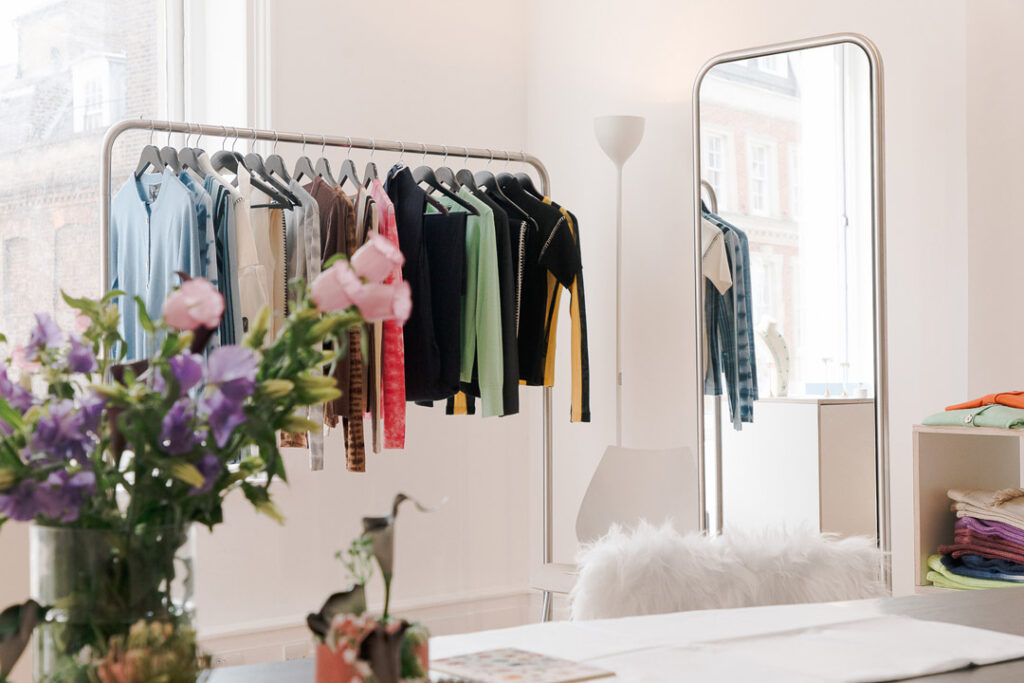
Photography of Nike x OFFICE by Heaps + Stacks featuring event furniture hire by FoundPop
A more complex, but more valuable model
For producers and in-house teams, the challenge is not to prioritise one of these outcomes over another, but to consider how they work together.
A space that drives sales but produces little content has limited reach. One that generates content but fails to hold attention lacks depth. One that attracts visitors but does not encourage them to return struggles to sustain momentum.
The most effective pop-ups are those that are designed with multiple forms of value in mind from the outset. They recognise that performance is layered, and that each layer contributes to the overall return on investment.
This is where the structure behind the space becomes critical. Systems that allow for adaptation, reuse, and variation make it possible to deliver across these different objectives without starting from scratch each time.
Redefining what “worth it” looks like
In this context, a pop-up is worth the spend when it extends beyond the moment in which it exists.
- When it produces content that continues to circulate
- When it reaches audiences who were never physically present
- When it holds attention long enough to create a meaningful impression
- When it gives people a reason to return
- And when it contributes to something more enduring than a single transaction
For those responsible for delivering these spaces, this broader definition of value is both a challenge and an opportunity. It requires more considered thinking upfront. But when done well, it creates outcomes that go far beyond what a traditional retail model could achieve.
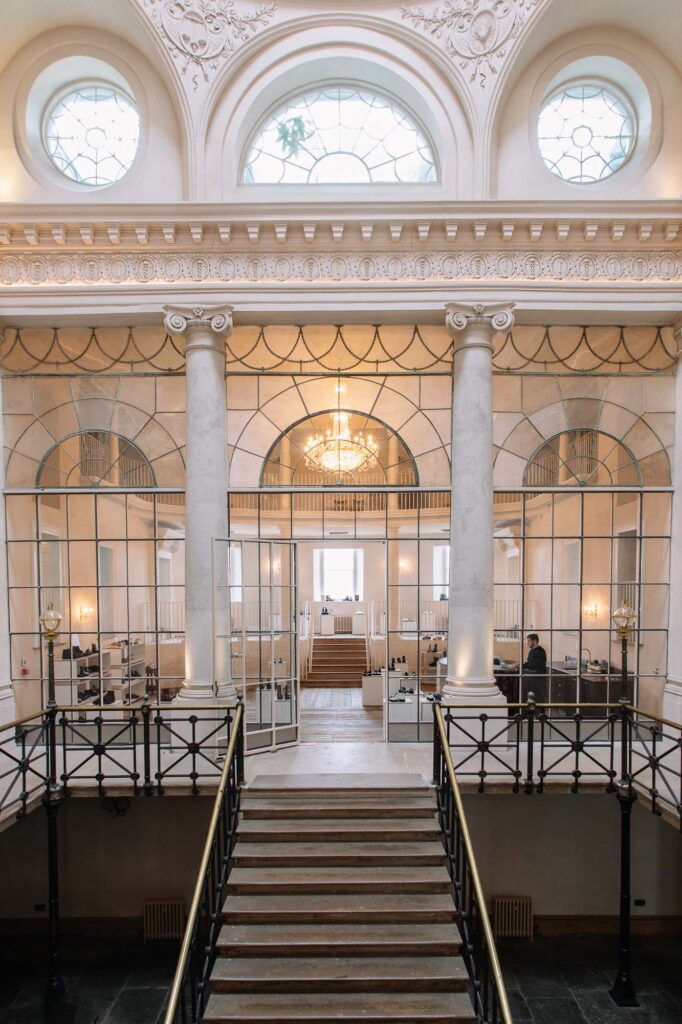
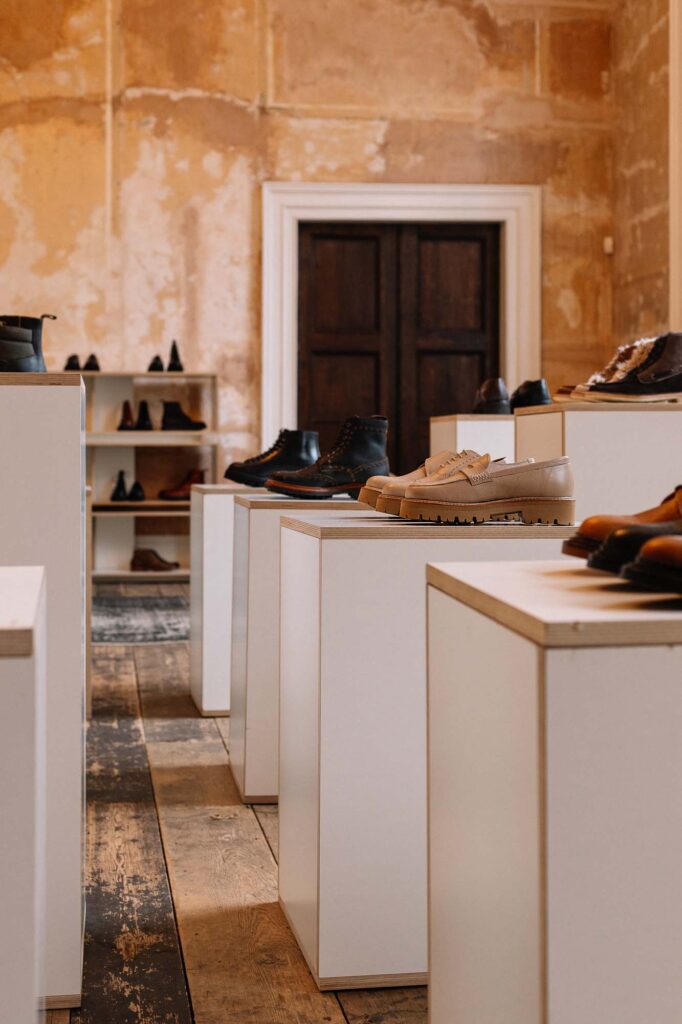
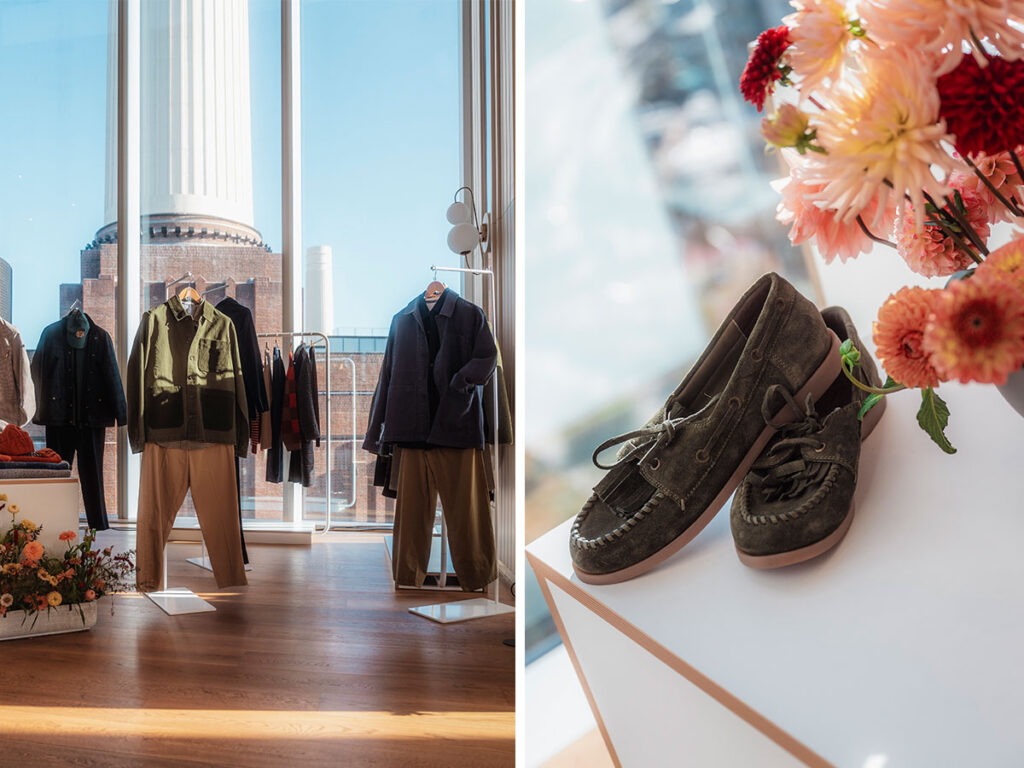
Photography of Grenson Shoes featuring event furniture hire by FoundPop
The takeaway
The most successful pop-ups today are not defined by a single metric. They are understood as systems of return, where content, reach, engagement, and community all play a role in shaping the outcome.
When these elements are designed into the space from the beginning, the conversation shifts. Away from whether it is worth it, and towards how much value it can generate over time.
Planning a residency or multi-day activation?
Get a feel for FoundPop with our 3D Space Planner and request a quote to design your next IRL experience.