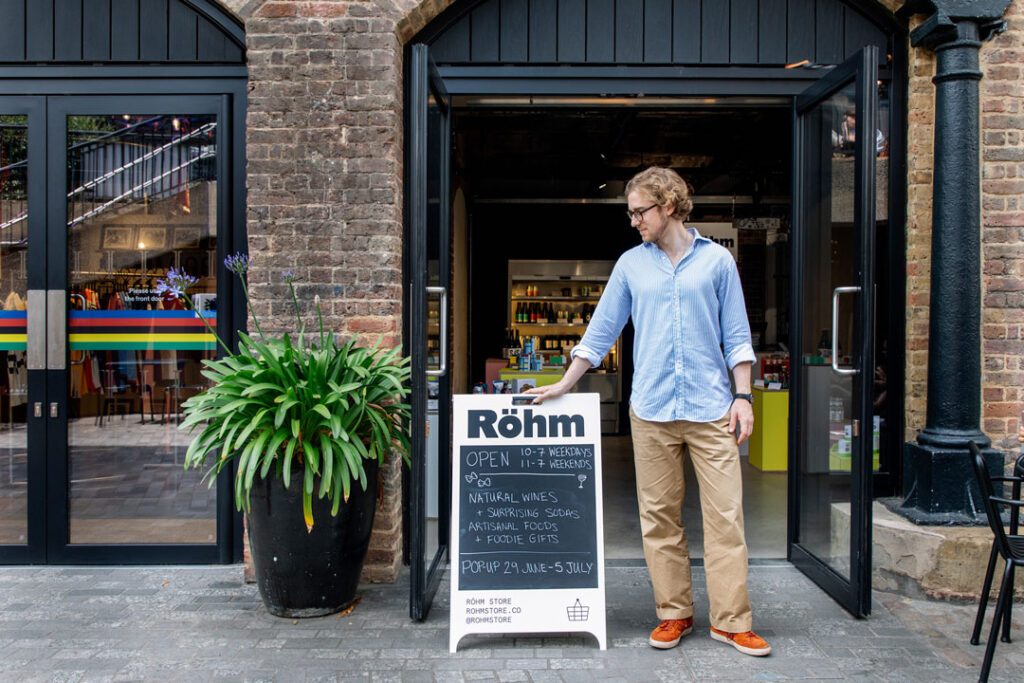

Featured photography of Gym King Women
In 2026, wellness is no longer something brands simply sell — it’s something they host. As consumer priorities shift toward connection, personal investment, and shared rituals, wellness has become one of the most effective entry points for brands planning pop-ups and longer-term retail formats.
For producers and agencies actively planning events, this shift has practical implications: determining the duration of experiences, integrating communities into programming, and designing spaces using flexible and sustainable event furniture hire.
This article breaks down the key wellness trends shaping retail and activations in 2026, and how brands can translate those trends into bookable, well-designed events.
Why wellness events are becoming community-led (and why brands are leaning in)
Wellness has moved from individual self-care to shared experience. Run clubs, breathwork circles, sound baths, book groups, and creative workshops are no longer fringe, they are cultural infrastructure.
For brands, this creates an opportunity to host experiences that feel useful, social, and values-aligned rather than transactional. Instead of one-off moments, wellness events are increasingly designed as recurring formats — weekly sessions, short residencies, or programmed pop-ups that encourage repeat visits.
From a planning perspective, this immediately changes how teams approach:
- Event duration
- Layout and flow
- Programming schedules
- Furniture and spatial requirements
Brands hosting these experiences are turning to event furniture hire to support evolving formats without committing to permanent builds or single-use installations.
Wellness in 2026: from impulse spend to personal investment
Another defining trend is how consumers are spending. Wellness purchases are increasingly viewed as personal investments. In short, higher-quality products, longer experiences, and services that promise ongoing benefit.
This behaviour directly influences retail and activation strategy:
- Customers are willing to spend more time in-store
- Experiences need to justify attention, not just attract it
- Products perform best when tied to education, ritual, or guidance
As a result, wellness activations are being designed less like showrooms and more like practices, spaces where people learn, participate, and return.
For brands in the research phase of planning an event, this means prioritising:
- Workshop-ready layouts
- Comfortable dwell zones
- Clear zones for conversation, learning, and product discovery
All of which are easier to achieve with event furniture hire that can adapt session by session.
How brands are planning wellness pop-ups and activations in 2026
Rather than short, high-noise stunts, brands are opting for formats that allow community to form over time.
Popular wellness-led event formats include:
- Multi-week pop-up residencies (2–6 weeks)
- Weekly programmed sessions hosted by community leaders
- Ticketed workshops paired with retail moments
- Members-only hours or subscription-based access
These formats require spaces that can flex between:
- Movement and workshops
- Talks and seated sessions
- Informal social moments
- Product browsing and consultation
This is where event furniture hire for wellness events becomes a strategic choice: allowing teams to reconfigure layouts without rebuilding or overcommitting budgets.
What furniture you need for a wellness pop-up
For teams actively planning, one of the most common questions is practical: What furniture do you actually need to host a community event?
Most successful wellness activations include:
- Soft seating for conversation and rest
- Workshop tables or communal surfaces
- Lightweight stools or stackable seating
- Display units for product and information
- Zoned layouts to separate learning, socialising, and retail
Using event furniture hire allows brands to test formats, scale up or down based on attendance, and maintain a calm, considered aesthetic aligned with wellness values.
Sustainability also plays a role, and reusable furniture aligns more closely with the ethics many wellness-focused brands want to communicate.
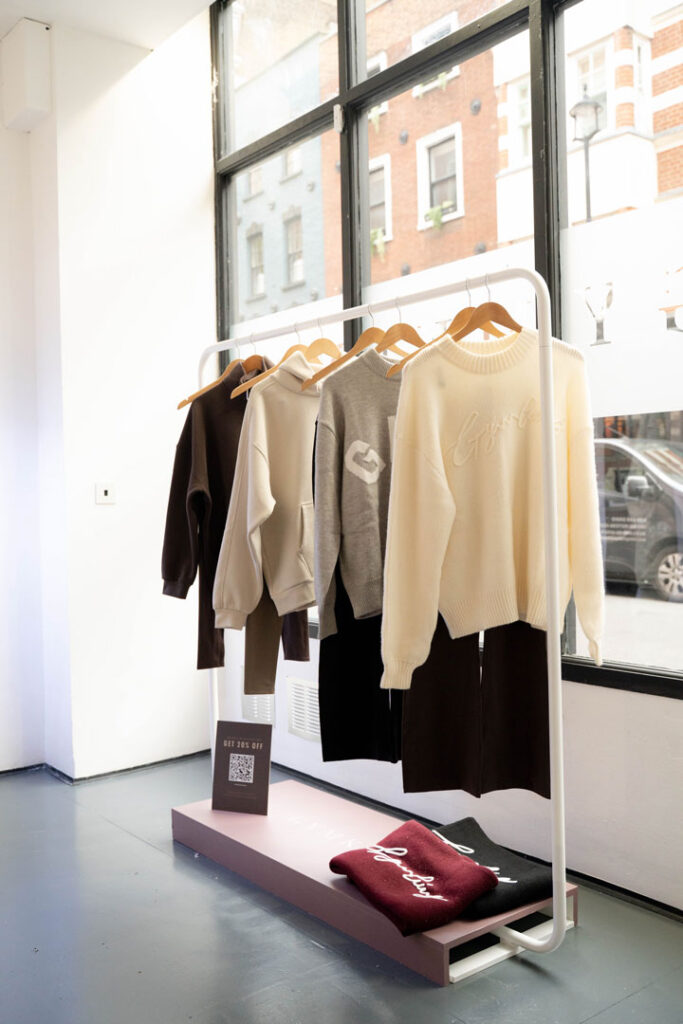
Designing wellness events that encourage connection (not crowding)
Good wellness design prioritises flow and comfort, not spectacle. Overcrowded layouts or rigid installations undermine the very values brands are trying to express.
When planning a wellness activation, brands should consider:
- Sightlines for instructors or hosts
- Small-group seating rather than rows
- Clear circulation between zones
- Space for pauses, not just activity
Design-led event furniture hire makes it easier to create these environments, particularly when events evolve week-to-week.
Planning wellness activations: what brands need to consider before booking vendors
For brands and agencies in the research stage, these are the decisions that typically come before booking event furniture hire:
- How long will the event run? (one day vs multi-week)
- Will programming repeat weekly or change daily?
- How many people per session?
- Will furniture need to be reconfigured between events?
- Are sustainability credentials important to the brand story?
- Does the space need to feel branded, neutral, or hybrid?
Answering these questions early helps teams choose the right event furniture partner and avoid over- or under-specifying.
Measuring success beyond footfall
Wellness-led activations should not be designed for fast turnover. Success is better measured through:
- Repeat attendance
- Time spent in space
- Workshop bookings or sign-ups
- Product conversion post-event
- Community feedback and NPS
These metrics reward longer-running formats and flexible spatial planning. As a result, brands are moving away from permanent builds and towards event furniture hire for brand activations.

Our wellness event FAQs
What furniture do you need for a wellness pop-up or brand activation?
Most wellness events require a mix of soft seating, workshop surfaces, and flexible display units. Using event furniture hire allows brands to adapt layouts between sessions without committing to permanent fixtures.
Is event furniture hire suitable for multi-week wellness residencies?
Yes. Many brands choose event furniture hire specifically for longer activations, as it supports sustainability goals, reduces upfront costs, and allows layouts to evolve over time.
How far in advance should you book event furniture hire for a wellness event?
For wellness pop-ups and residencies, booking 4–8 weeks in advance is recommended, particularly if programming includes workshops, talks, or recurring sessions.
Why are brands choosing furniture hire instead of buying?
Event furniture hire offers flexibility and alignment with circular, sustainable values; all important considerations for wellness-focused brands.
Final thought: wellness events are becoming infrastructure, not moments
In 2026, the most effective wellness activations are not one-offs; they are repeatable, community-driven formats that build trust over time. Brands that succeed will be those who plan with longevity in mind: choosing flexible layouts, thoughtful programming, and event furniture hire that supports change rather than constrains it.
For brands and agencies currently researching how to host a wellness pop-up, residency, or community-led activation, the next step is not bigger ideas, but better planning.
To design your activation, get a feel for FoundPop with our 3D Space Planner, and when you’re ready to launch, pop us an email.