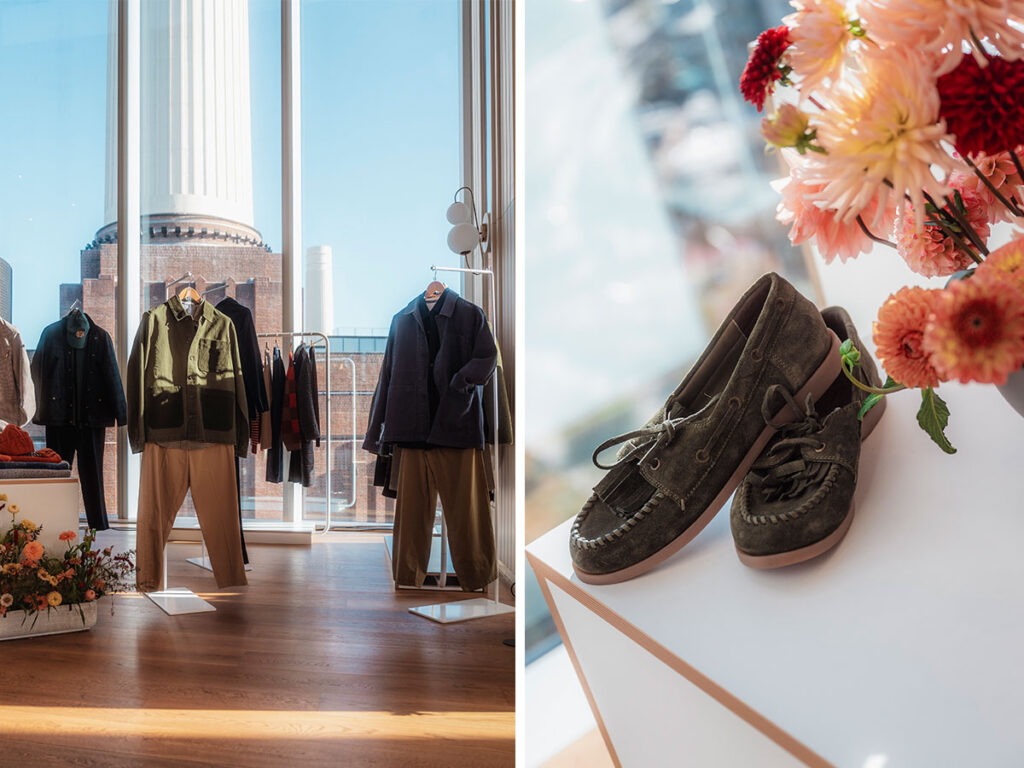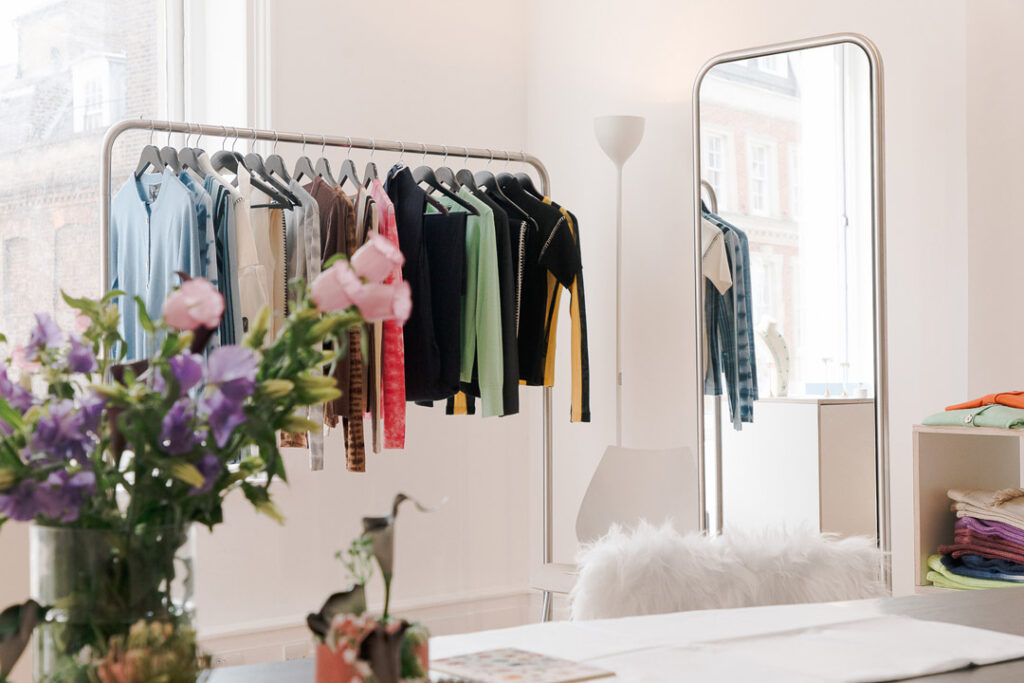
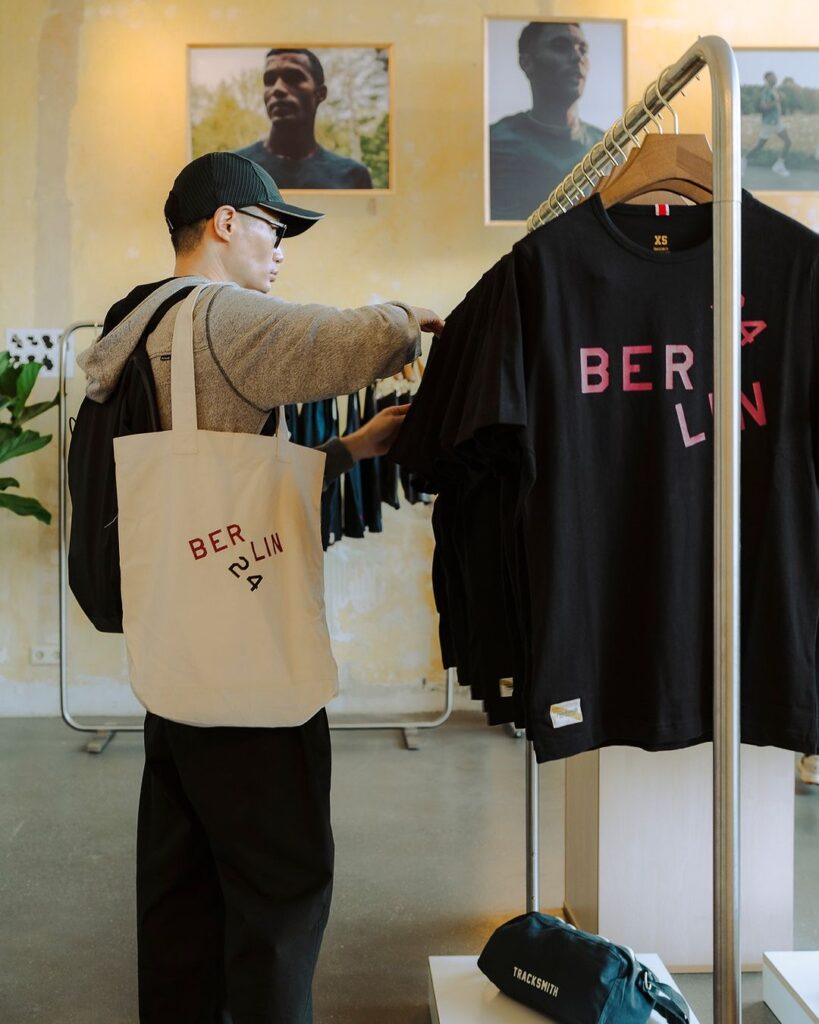
Photography courtesy of Tracksmith
Fashion in 2026 is not just about product drops or seasonal launches. Athleisure brands in particular are operating in an increasingly competitive performance and lifestyle market, and events have become a critical tool for building loyalty, demonstrating values, and turning movement into meaning.
For agencies and producers actively planning brand activations, athleisure events now sit at the intersection of community, performance, and design. This shift has direct implications for how spaces are planned and run, and how event furniture hire is used to support flexible, high-impact formats.
This POP-ID article breaks down the athleisure trends shaping events in 2026 — and how to translate them into bookable, production-ready activations.
Why athleisure events are becoming community-first (not product-first)
Run clubs, training collectives, recovery sessions, and social movement formats have become cultural touchpoints — not marketing tactics. Athleisure brands are increasingly expected to host experiences that add value to people’s routines, not interrupt them.
For agencies and producers, this means designing events that:
- Encourage repeat participation
- Feel credible to performance-driven audiences
- Balance movement, rest, and social interaction
Rather than one-day stunts, athleisure activations are evolving into programmed experiences — weekly sessions, short-term residencies, or multi-city formats that allow communities to form organically.
From a production standpoint, this influences decisions around:
- Layout adaptability
- Crowd flow and safety
- Storage and turnaround between sessions
- The type of event furniture hire preferred to support movement-led programming
Athleisure in 2026: from hype drops to personal performance investment
Like wellness, athleisure spending has shifted from impulse to investment. Consumers are prioritising products and brands that support long-term performance — physically, mentally, and socially.
This impacts how events are structured:
- Audiences are willing to spend more time in space
- Education, coaching, and guidance outperform passive browsing
- Products convert best when tied to use, instruction, or experience
For producers, this means athleisure events increasingly require:
- Clear functional zoning
- Spaces for warm-ups, cooldowns, and recovery
- Areas for conversation, fittings, and product education
How agencies are planning athleisure brand activations in 2026
Across global markets, agencies are moving away from rigid builds and towards flexible, modular formats that can be adapted across locations and audiences.
Common athleisure event formats include:
- Community run clubs or training sessions anchored by a pop-up base
- Multi-day or multi-week pop-ups with scheduled programming
- Coach-led workshops paired with product trials
- Touring activations that need to adapt to different venues
Each of these formats requires furniture solutions that support:
- Rapid configuration
- High footfall turnover
- Clear sightlines and safety
- Brand consistency across locations
This is why event furniture hire has become a core part of production planning — particularly for agencies managing multiple stakeholders and timelines.
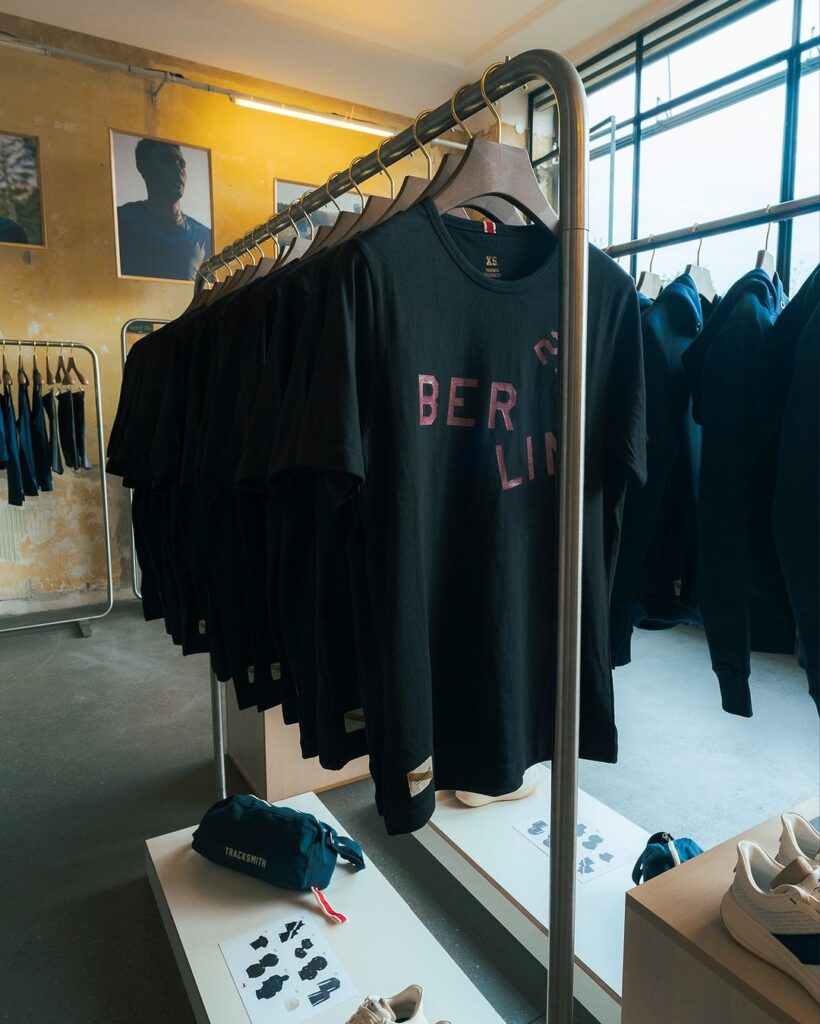
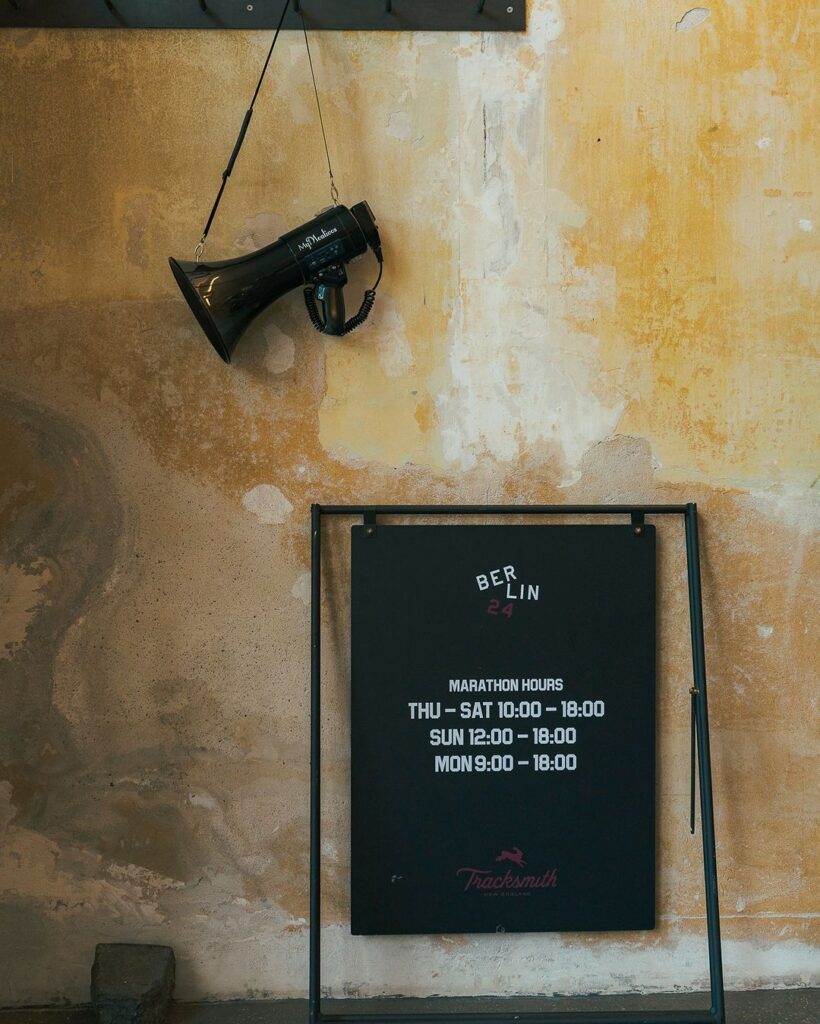
What furniture you need for an athleisure pop-up or performance event
For producers in the research phase, one of the most common questions is practical:
What furniture is actually needed to run an athleisure event smoothly?
Most athleisure activations include:
- Benches or modular seating for warm-ups and cooldowns
- Communal tables for registration, hydration, or content capture
- Display units for footwear, apparel, and accessories
- Lounge or recovery seating for post-activity dwell time
- Lightweight, durable furniture that can handle movement-led use
Choosing event furniture hire allows teams to test layouts, manage wear and tear, and maintain a premium aesthetic without overcommitting to custom builds.
Designing athleisure events for flow, safety, and dwell time
Good athleisure event design balances energy with control. Poor layout decisions — overcrowding, unclear circulation, or insufficient rest areas — directly affect both safety and brand perception.
When planning athleisure activations, producers should prioritise:
- Clear entry and exit points
- Defined zones for movement, rest, and retail
- Furniture that can be moved quickly between sessions
- Materials that align with performance and durability needs
Design-led event furniture hire supports this approach, enabling teams to optimise flow while keeping the environment visually calm and brand-aligned.
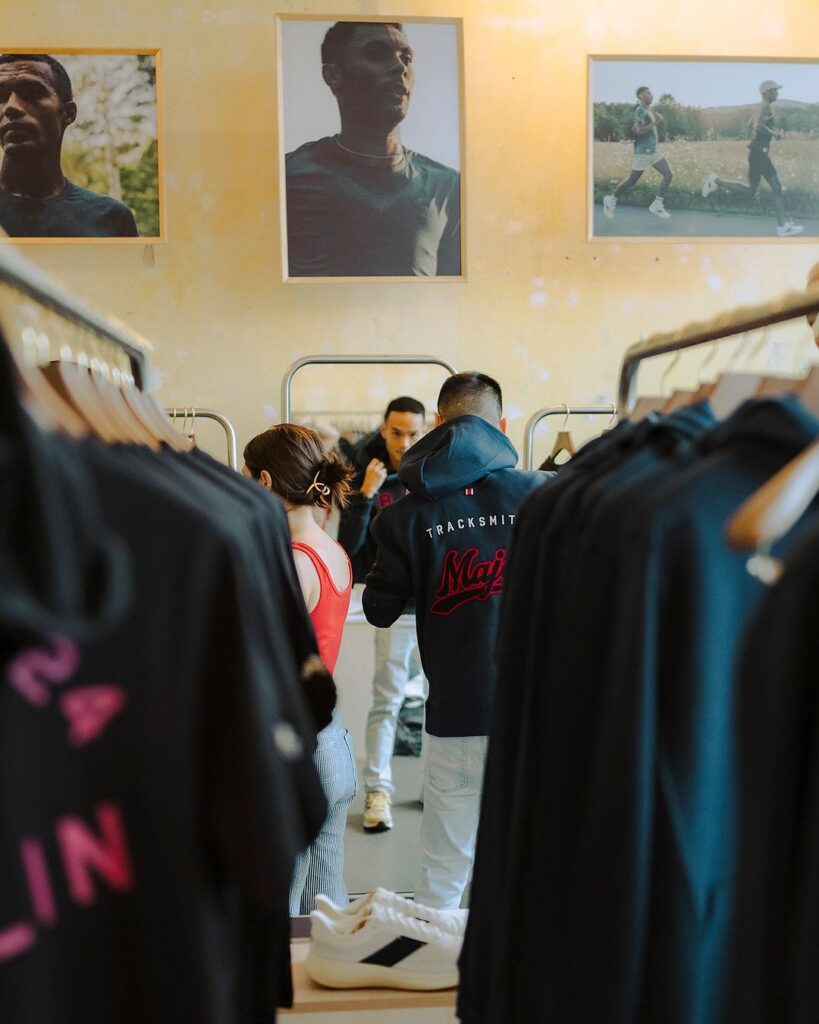

Athleisure Event Planning Checklist
For agencies and producers actively sourcing suppliers, these questions typically shape the brief:
- What is the maximum venue capacity?
- Is the event touring or fixed-location?
- What sustainability requirements does the brand have?
- Does the space need to flex between performance and retail?
- How many, if any, in-store activities per day?
- How long are the activities, and will furniture need to be reset between sessions?
Clarification early helps teams select the right event furniture hire partner and avoid last-minute production compromises.
Measuring success in athleisure events (beyond footfall)
Athleisure events are increasingly judged on engagement quality, not just attendance.
Agency producers and brands are often tracking:
- Repeat attendance across sessions
- Product trial-to-purchase conversion
- Community sign-ups or club retention
- Post-event brand affinity
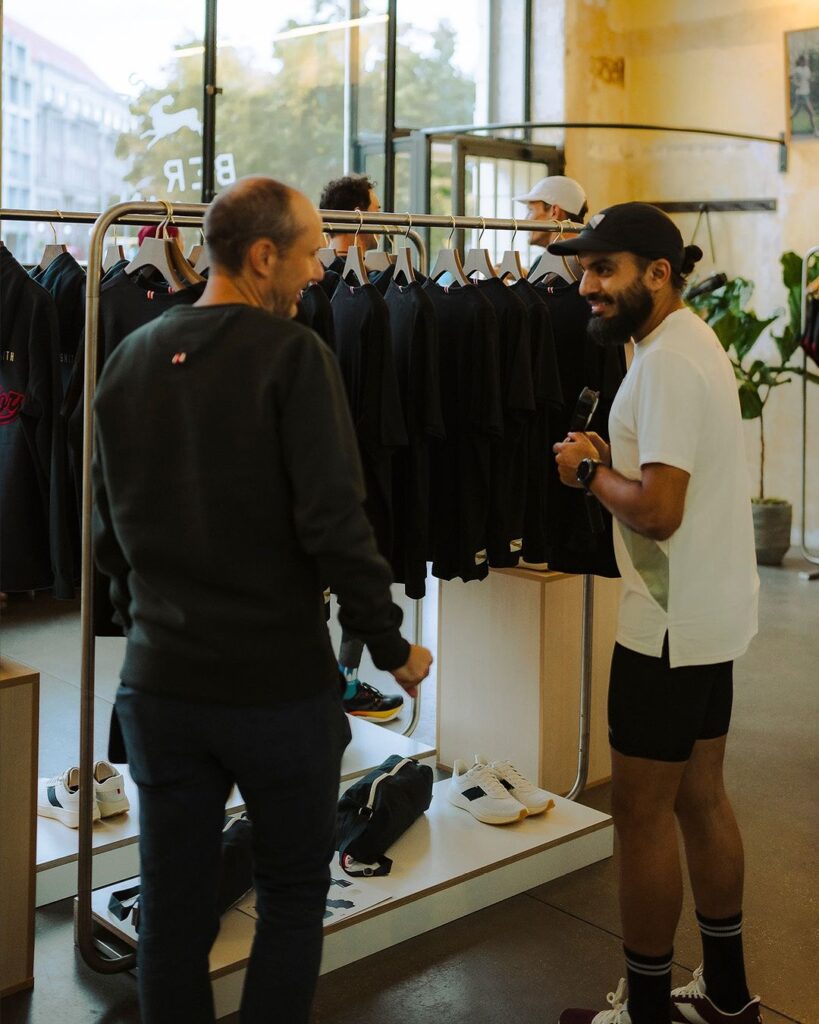
FAQ: Athleisure events and furniture hire
What furniture do you need for an athleisure brand activation?
Most athleisure events require a combination of durable seating, communal surfaces, display units, and recovery areas. Event furniture hire allows layouts to adapt between performance sessions and social moments.
How far in advance should agencies book event furniture hire?
For athleisure activations, 4–8 weeks’ notice is recommended — especially for multi-day events or touring formats with multiple zones.
Why do agencies prefer furniture hire over custom builds?
Event furniture hire reduces lead times, lowers upfront costs, supports sustainability goals, and makes it easier to scale concepts across multiple locations.
Final thoughts: athleisure events are now performance systems, not pop-ups
In 2026, the most successful athleisure activations function like ecosystems — blending movement, recovery, community, and product into repeatable formats. For agencies and producers, this requires smarter planning, flexible layouts, and event furniture hire that supports change rather than locking concepts in place.
For teams currently researching how to deliver an athleisure event that performs commercially and culturally, the opportunity lies in designing spaces that move as fluidly as the audiences inside them.
To design your activation, get a feel for FoundPop with our 3D Space Planner, and when you’re ready to launch, pop us an email.