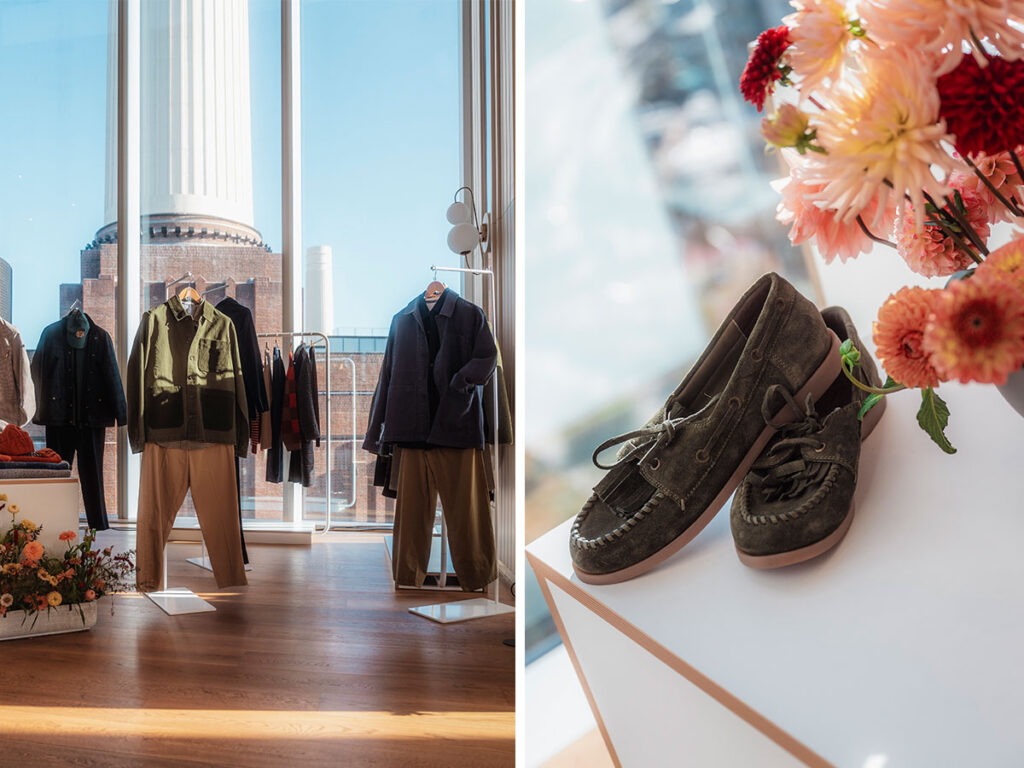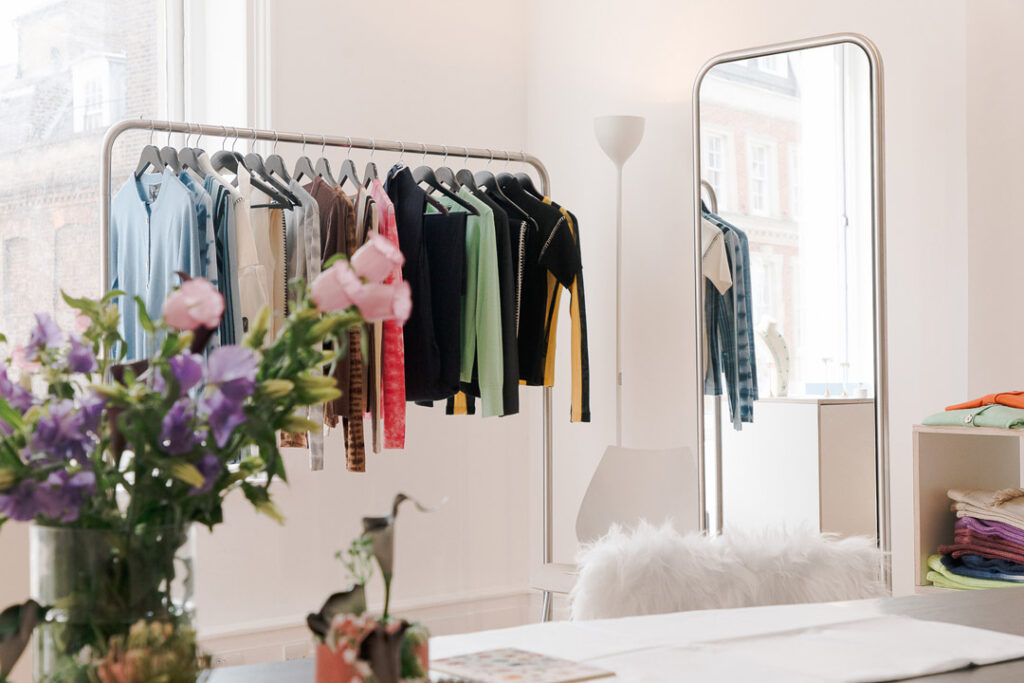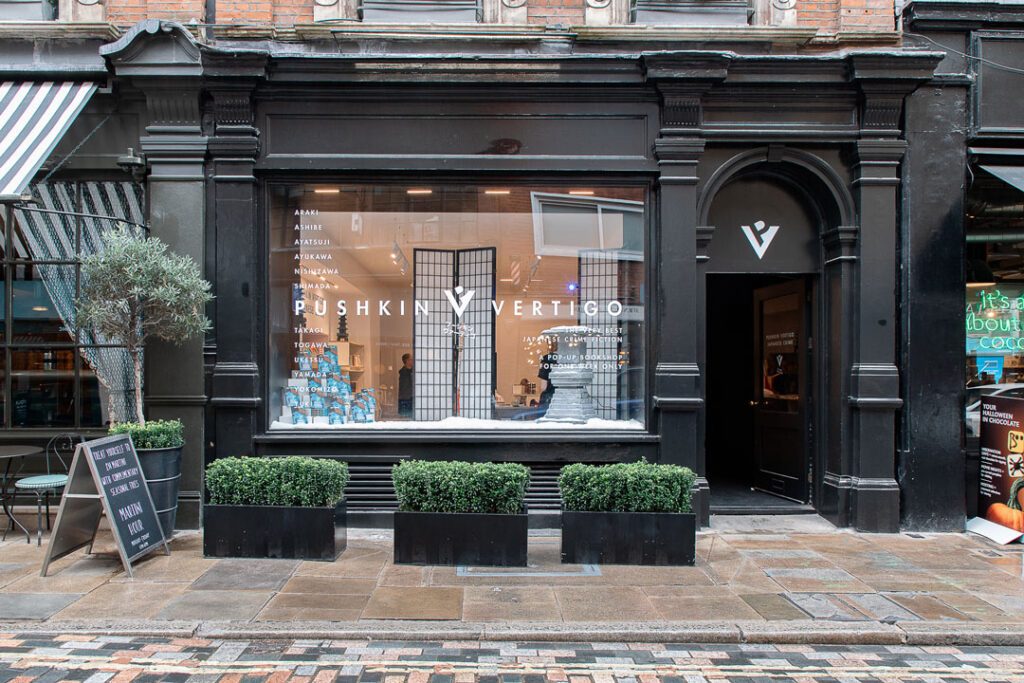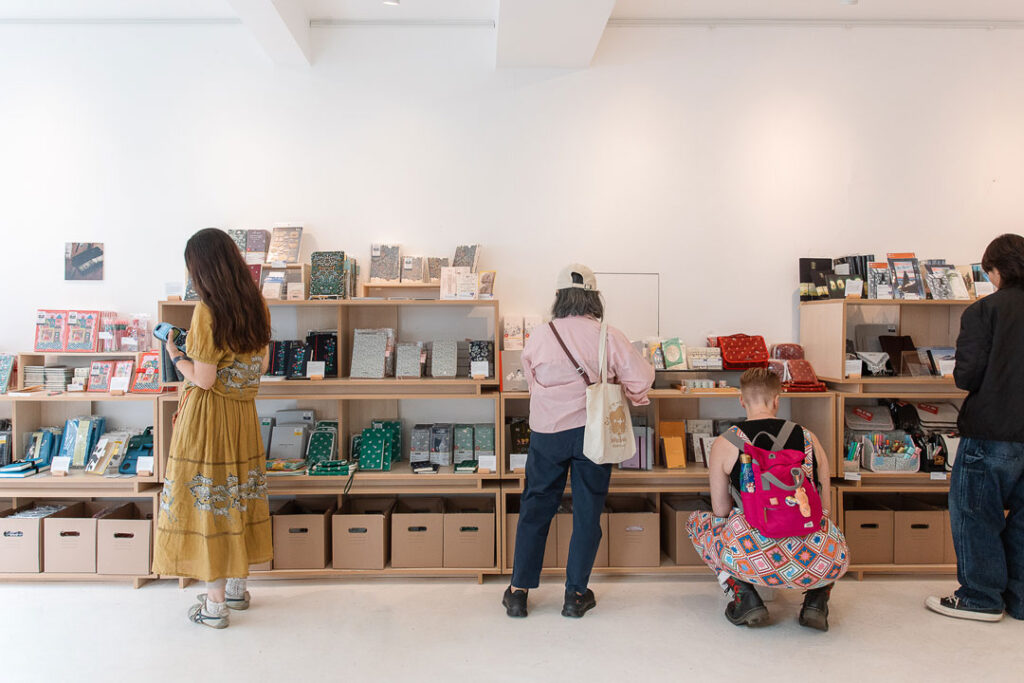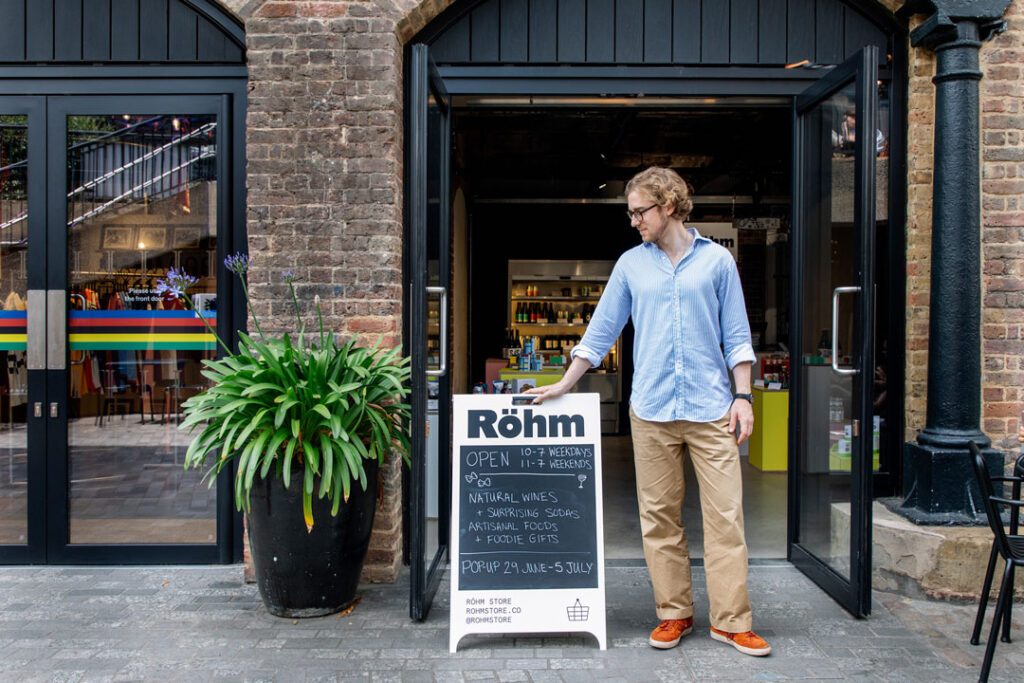
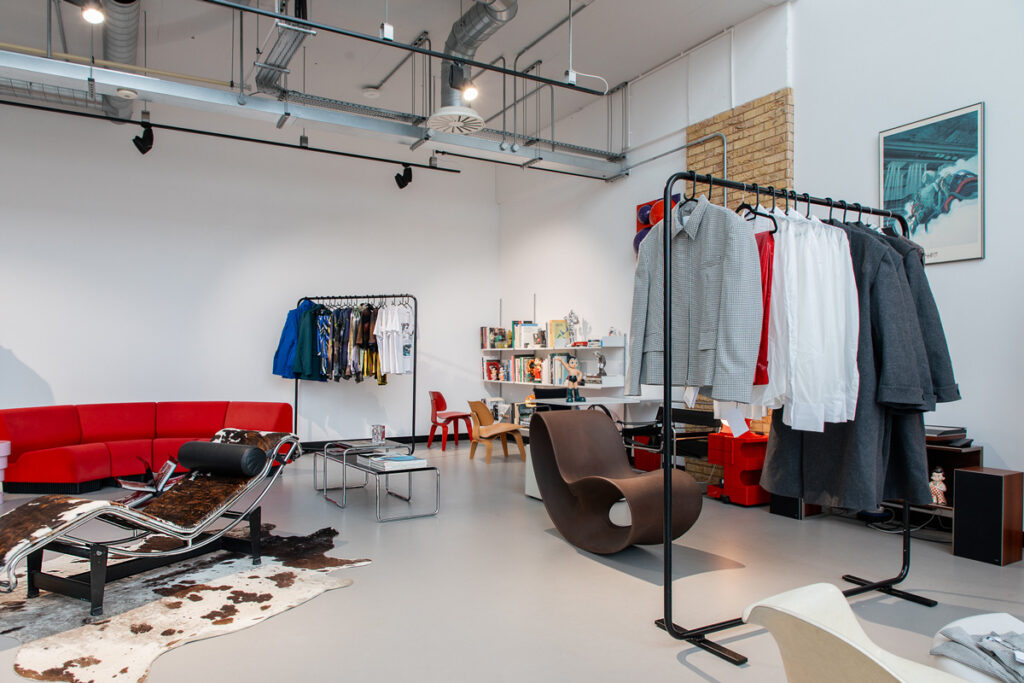
Featured photo of the Bianca Saunders’ concept store with Time & Space
In an industry defined by rapid change and fierce competition, emerging fashion creatives face a unique paradox: they must be designers, marketers, storytellers, and activists—all while navigating a landscape that demands both originality and commercial viability. Yet despite these pressures, fashion retains its power to give people a voice, shape culture, and inspire change.
The Creative Conundrum: Bold Yet Balanced
Fashion today is saturated, fast-moving, and relentlessly demands authenticity while punishing risk. Designers and founders must:
- Humanise their journey through founder‑led narratives that cut through trend fatigue.
- Balance purpose and performance, marrying clear sustainability credentials with craftsmanship and quality.
- Embrace calculated risk by testing ideas via low‑commitment activations: pop‑ups, limited drops, and prototypes.
This triad of story, substance, and experimentation forms the bedrock on which emerging brands can stand out and build enduring communities.
Digital Liberation: Freeing Creatives to Innovate
Digital tools aren’t here to replace talent; they’re here to liberate it. By offloading administrative tasks to automation and AI, founders regain time for strategic thinking, relationship-building, and true creative innovation:
- Chatbots & CRM automation handle routine customer enquiries, freeing founders to focus on key partnerships.
- Trend‑forecasting platforms analyse real‑time data, empowering designers to act on consumer insights rather than wrestling with spreadsheets.
- Integrated project management dissolves silos, enabling cross‑functional teams to iterate concepts in days, not months.
The result is a leaner, more responsive operation. An operation where creativity and community engagement remain front and centre.
Experience‑Led Retail: The New Non‑Negotiable
With e‑commerce offering endless choice and convenience, physical spaces must deliver something truly unforgettable:
- Multi‑sensory environments: curated playlists, scent diffusers, interactive demos that immerse shoppers in brand narratives.
- Pop‑ups as portfolio staples: short‑term leases have grown by 18% in the UK, driven by both independent labels and heritage players (The Guardian).
- New success metrics: dwell time, social shares, earned media and the vital experience‑to‑purchase ratio.
Deconsumption and Conscious Spending
“Deconsumption” is described as a shift from high‑frequency, low‑attachment purchases toward fewer, more considered investments. We see this in retail activations:
- Heightened pre‑purchase confidence: shoppers ask deeper questions about materials and provenance.
- Lower return rates: in‑person testing and expert guidance align expectations and reality.
- Amplified advocacy: confident buyers become vocal champions, sharing genuine endorsements.
Brands that position their collections as purposeful, long‑lasting investments (rather than disposable trends) will win loyalty in this new era.
Landlords vs. E‑Commerce
As landlords face off against online giants, dynamic brand activations have become essential to sustain footfall:
- Flexible leasing: landlords now integrate pop‑ups into core leasing strategies, curating a mix of short‑term and permanent tenants.
- Data partnerships: live shopper‑behaviour insights help fine‑tune future activations and location choices.
- Hybrid models: from second‑hand marketplace Vinted’s rise in France to Sephora UK’s seven‑store expansion this year, physical retail is evolving, not disappearing.
By collaborating on experiential activations, landlords and brands become joint custodians of memorable retail journeys.
Collaboration and Community: The Growth Multiplier
Whether big or small, retail is key to growth and the most resilient brands build ecosystems, not empires:
- Shared pop‑up collectives: like‑minded labels co‑host events, sharing costs, traffic, and creative energy.
- Cross‑industry partnerships: fashion teams up with wellness, tech, or F&B to craft layered, multi‑sensory experiences.
- Community programming: panels, workshops, and co‑creation sessions extend dwell time and deepen engagement.
When brands unite around shared values, they spark cultural moments that far outlast a single activation.
Measuring Success with New Retail KPIs
In this evolving landscape, traditional metrics (units sold, footfall alone) aren’t enough. Leaders will track:
- Pre‑purchase confidence (via quick in‑store NPS and sentiment surveys)
- Return rate reduction (a proxy for aligned expectations)
- Advocacy strength (volume of UGC, referrals, influencer tags)
- Experience‑to‑purchase ratio (dwell time and touchpoints before sale)
By prioritising these indicators, brands can continuously refine experiences and convert one‑time visitors into lifelong advocates.
An Agile and Intentional Future
Fashion’s next chapter belongs to those who can move fast and stay true: quick‑to‑market digital workflows, immersive offline activations, and partnerships that amplify purpose. Emerging creators who balance speed with substance, boldness with balance, and individuality with community will not only survive but lead.
Stay tuned for deeper dives into innovative retail, partnerships, and the metrics that matter in this brave new world—only on POP-ID. Ready to launch? Get a feel for FoundPop with our 3D Space Planner.