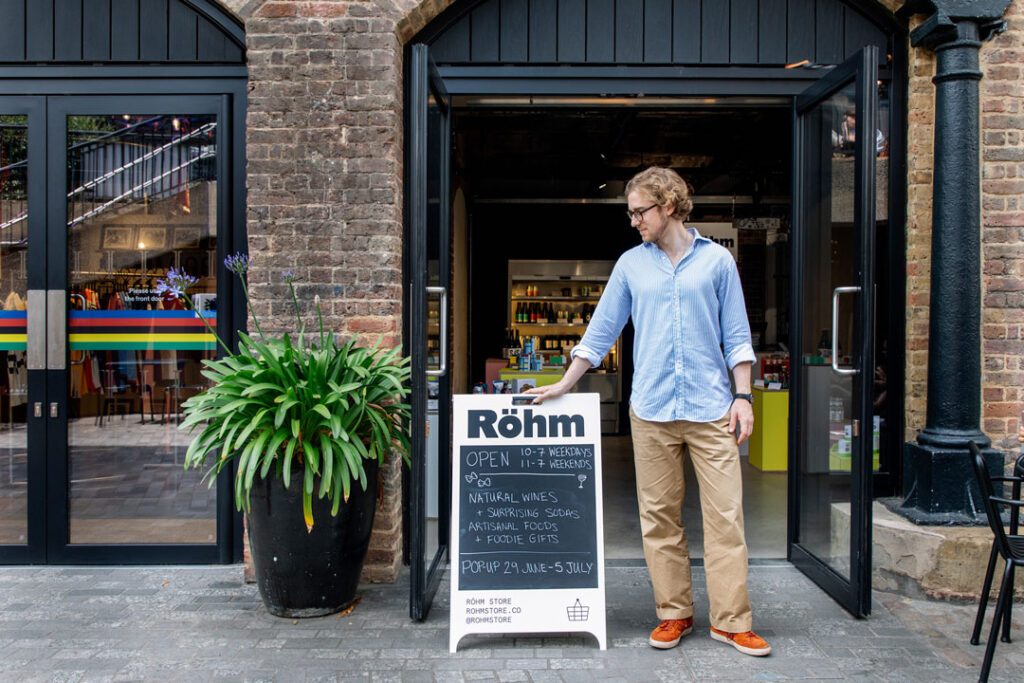
Peak seasons — holiday shopping, Fashion Week, and city-wide shopping weekends — are where attention and sales converge. For producers, stylists and founders, the difference between a fleeting moment and lasting impact lies in the details: thoughtful fittings, clear merchandising, and a space that reflects your brand’s identity. POP-ID showcases how design-led furniture and considered curation turn temporary spaces into memorable experiences.
1. Pick the Right London Location — and Design for Footfall
Location influences who walks in and what they expect. Notting Hill attracts design-conscious, style-driven audiences; Belgravia skews premium and curated; prime central streets bring tourists and high-intent shoppers. Choose a neighbourhood that aligns with your price point and product story, then plan your layout to capitalise on window views and traffic flow (clear sightlines, anchor displays at the entrance, and an easy path to the tills).
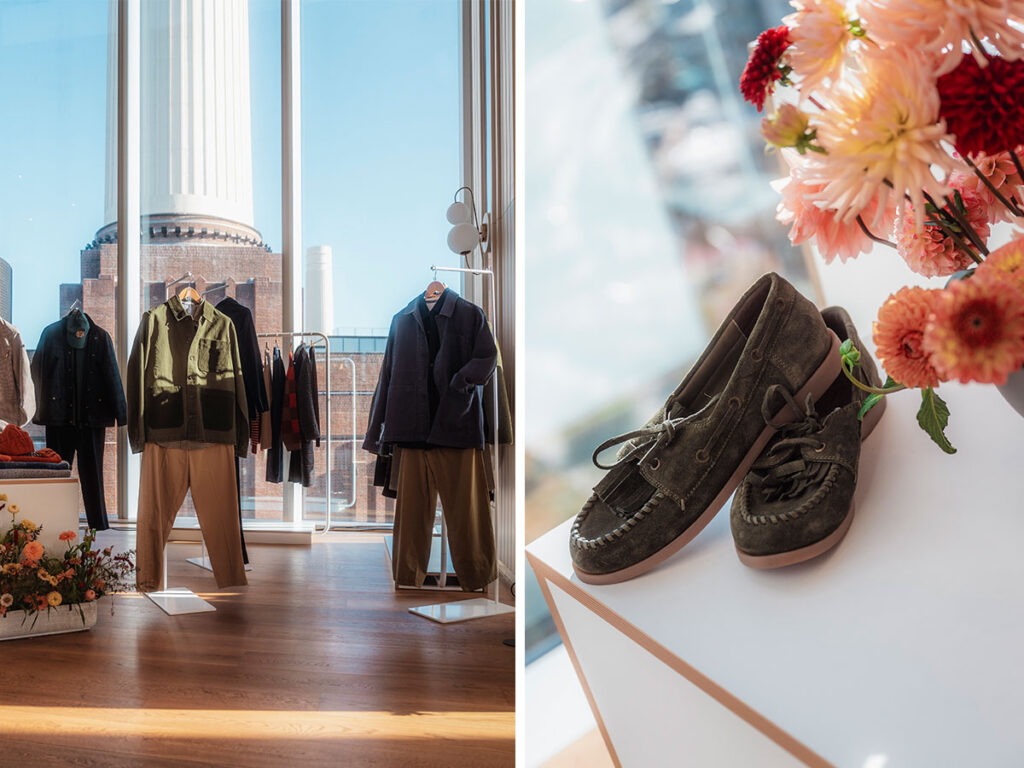
Examples: La Veste’s Notting Hill layout and Veronica de Piante’s intimate Lowndes Street boutique show location-led curation in action.
2. Keep Your Furniture Simple and Strategic
For seasonal activations, simplicity wins. Focus on a reliable partner for display essentials that scale with your event:
- Shelving — modular units for merch and product combinations.
- Plinths — hero pieces and editorial moments to stop foot traffic.
- Mirrors — essential in fashion-led activations and fitting areas.
- Fitting Rooms — privacy and an elevated try-on experience.
- Cash Desks — functional, brand-fitting points of sale.
- Railings — robust steel rails for sample sales and quick merchandising swaps.
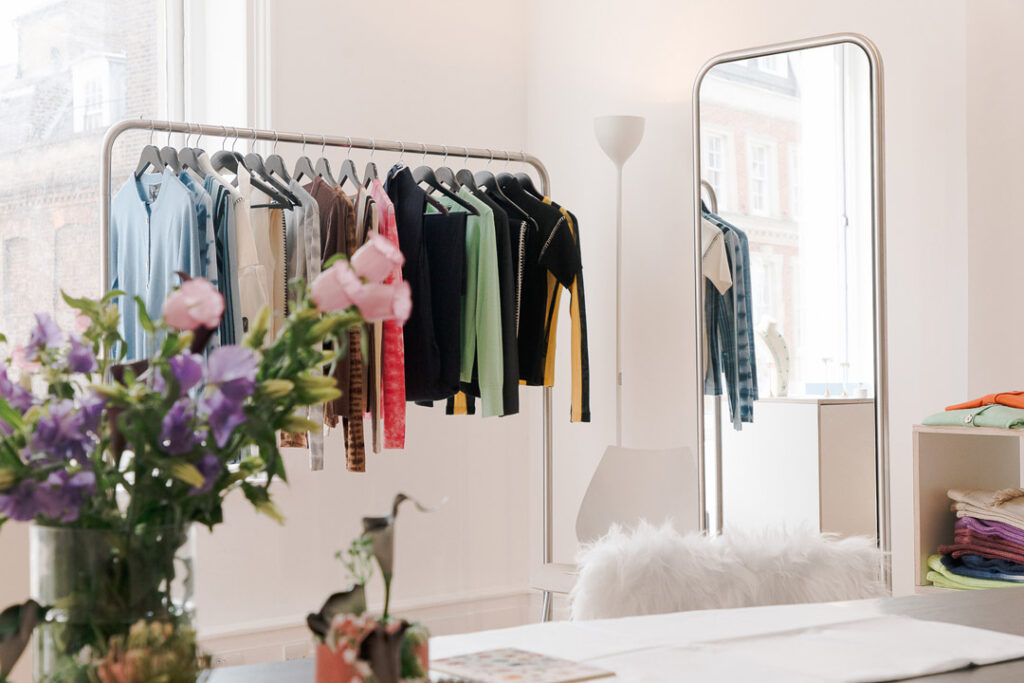
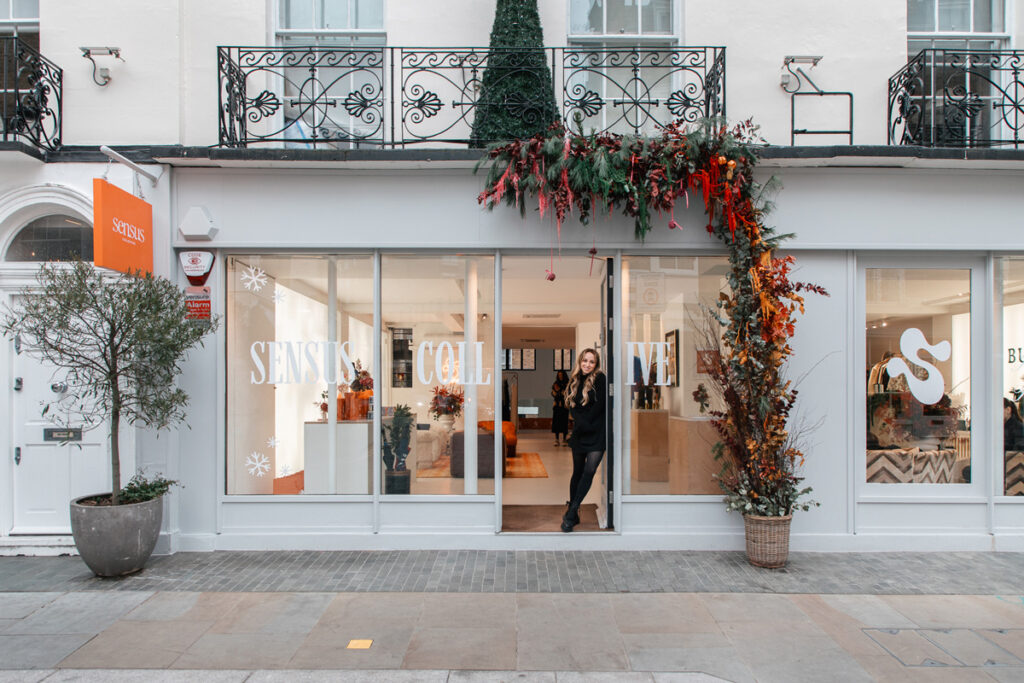
Holiday activations rely on these core elements to create functional, beautiful spaces — Sensus Collective used steel hanging rails and fitted rooms to support a tight curated edit.
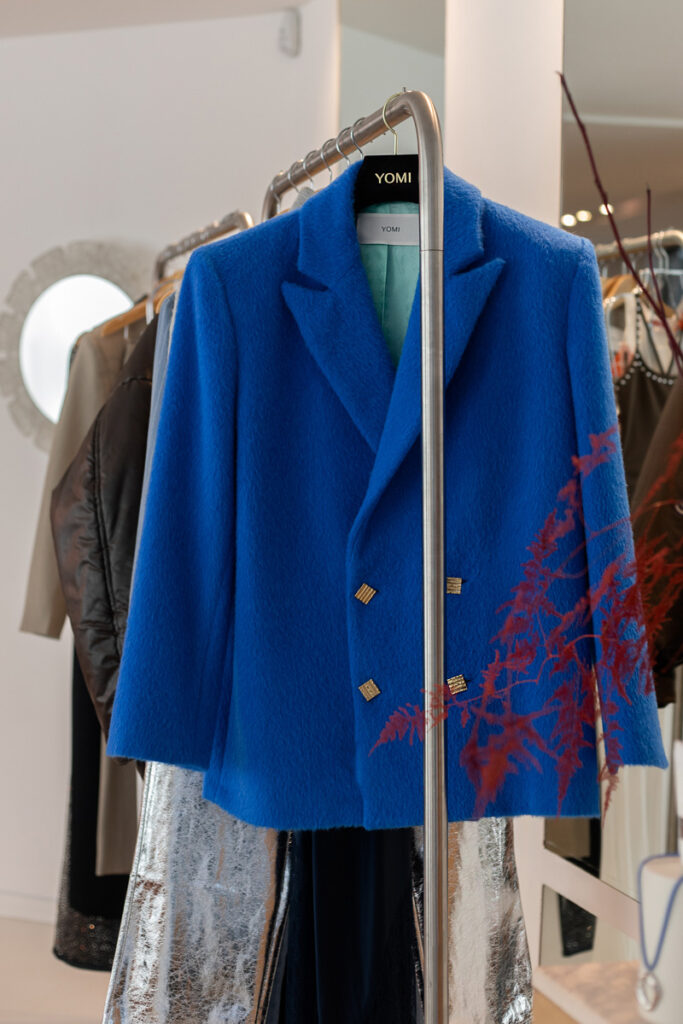
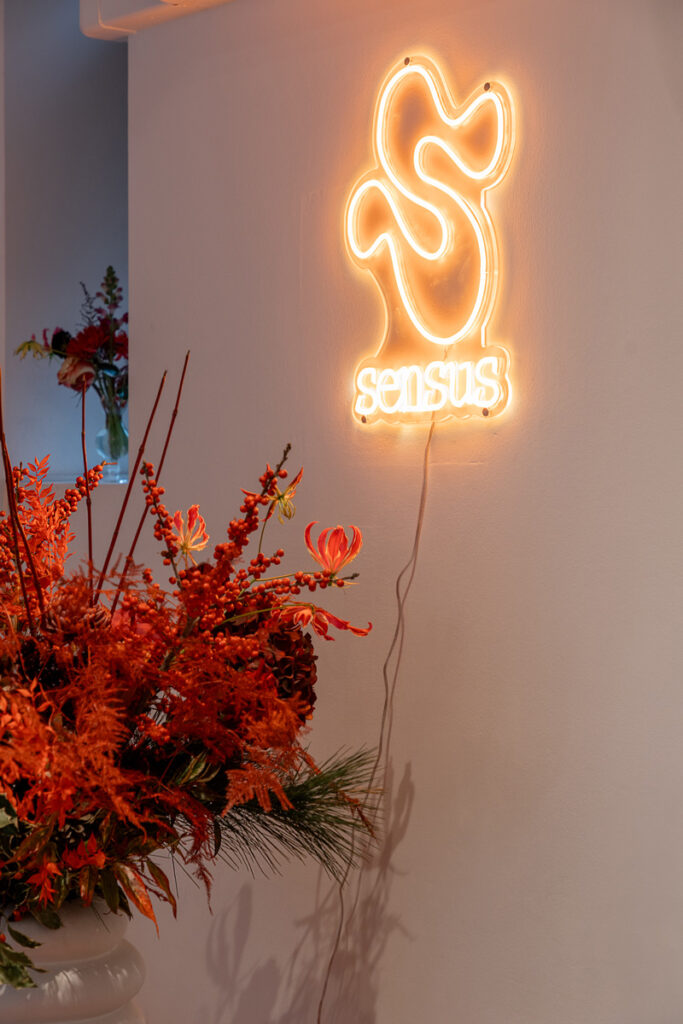
Photo of Sensus Collective seasonal shop
3. Think Like a Producer: Layout, Flow & Staffing
Plan your floor like you plan your timeline. Producers should:
- Map customer journeys (window → hero → try-on → purchase).
- Use plinths and shelving to create stopping points and social moments.
- Place fitting rooms and mirrors where upsells are visible.
- Ensure adequate staff during peak hours and schedule handovers for multi-day activations.
Case in point: La Veste’s Notting Hill pop-up balanced function and eclectic charm to match the brand, while keeping circulation efficient.
4. Retail Residency vs Short-Term Showcase: Pros & Commercials
Longer-term activations (retail residencies) can transform a seasonal moment into a strategic channel:
- Deeper audience relationships and repeat visits.
- Opportunity to iterate merchandising and programming.
- Time to test product assortments and gather richer sales data.
Commercially, residencies can justify greater upfront spend on customisation and programming while delivering stronger engagement than a one- or two-week showcase.
5. Customisation That Converts (Vinyl & Branding)
Small visual treatments make a big perceived difference. FoundPop offers vinyl customisation across shelves, desks, plinths and more — ideal for seasonal branding, sponsor logos, or limited-edition visuals.
Note: Customisation is available for activations with a minimum rental spend. Use vinyl for high-impact areas (entrance plinths, cash desk wrap) to ensure consistency without a full build-out.
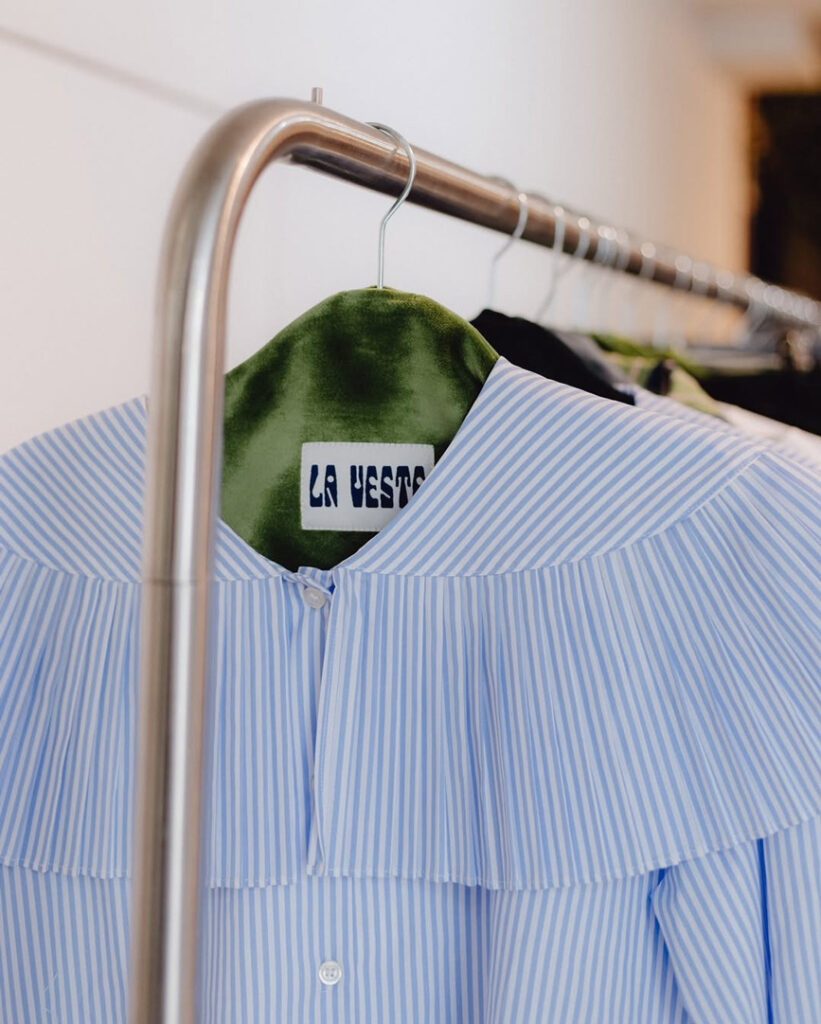
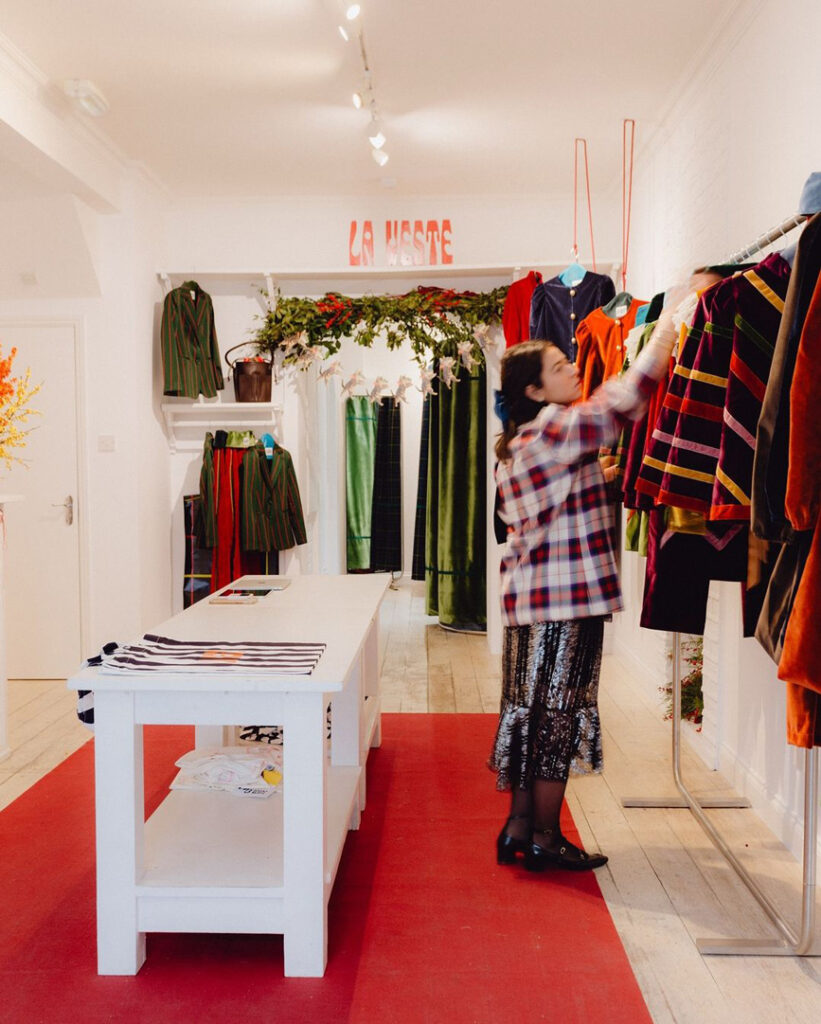
Photos of La Veste’s Notting Hill pop-up
6. Merchandising & Visual Merch Tips for Peak Days
- Front-load hero items in the window and on plinths.
- Use shelving to create stacked storytelling (outfit combos or editorial groupings).
- Keep rails curated (max 6–8 items per section) for easy browsing.
- Place mirrors near complementary displays to encourage try-ons.
- Reserve a small “surprise” area (sample pieces or limited editions) to reward in-store discovery.
7. Logistics & Last-Minute Contingency Planning
Pro tip: Lock in furniture and delivery windows early. But always have contingency: extra rails for replenishment, spare plinths for last-minute hero swaps, and mirrors for unexpected fitting needs. FoundPop’s modular inventory (shelving, rails, plinths, fitting rooms, cash desks, mirrors and more) is designed for quick turnaround and scalable installs.
8. Community: Turn Visits Into Relationships
Drive repeat footfall by layering programming across the residency: local maker nights, styling sessions, or limited-run product drops. Sensus Collective’s Belgravia shop highlighted community curation and maker stories to create a sense of belonging and ongoing discovery.
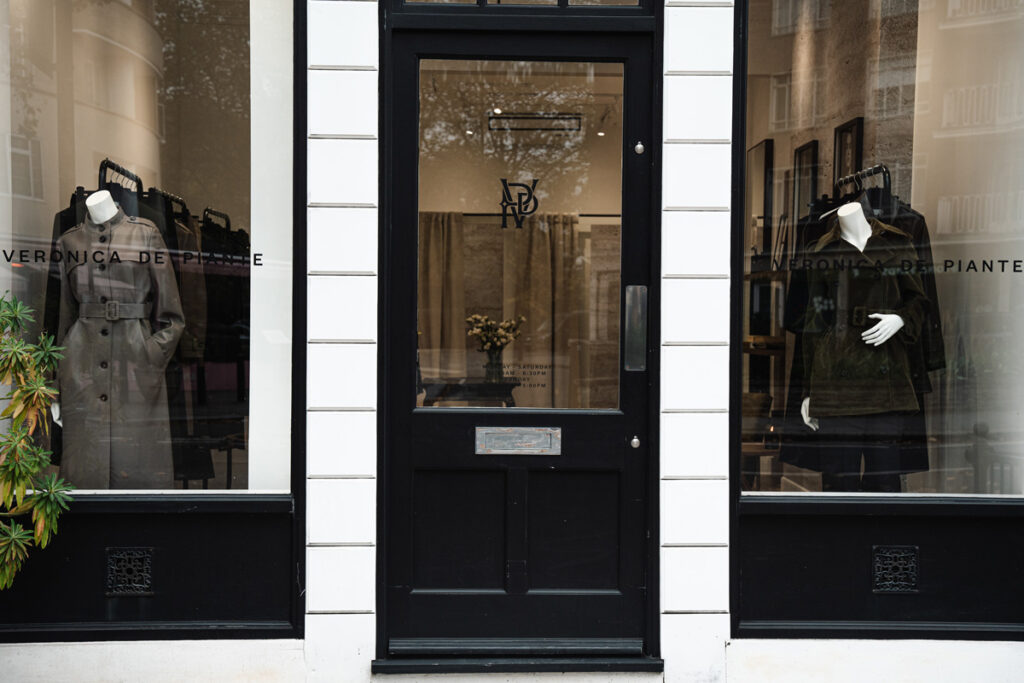
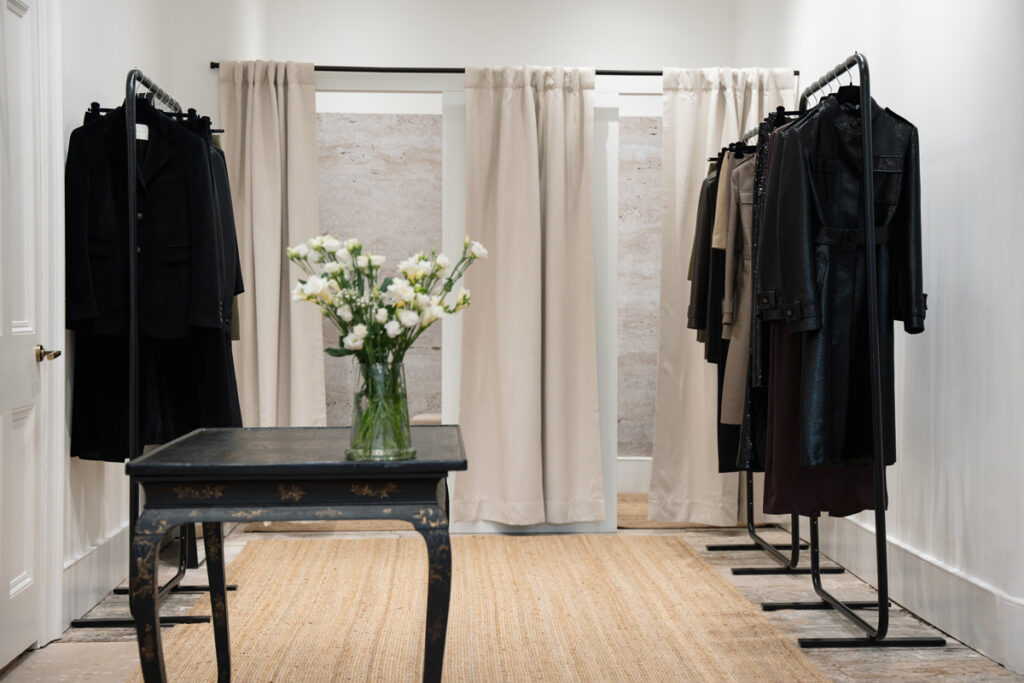
Photos of Veronica de Piante’s Lowndes Street boutique
Event Opening Checklist
| 8–12 weeks out – Confirm neighbourhood and lease dates. – Finalise core toolkit (shelves, plinths, railings, mirrors, fitting rooms, cash desk). – Decide on residency length. |
| 4–6 weeks out – Confirm FoundPop inventory and delivery windows. – Lock in vinyl artwork (minimum spend required). – Build staff rota and programming calendar. |
| 2 weeks out – Final layout + signage. – Test POS and fitting room flow. – Run a soft open / staff walkthrough. |
| 1–3 days out – Final install and lighting check. – Stock replenishment plan. – Social and press teasers go live. |
Featured Case Studies
- La Veste — Notting Hill: third London activation that blends vintage-inspired product with design-led fittings.
- Sensus Collective — Belgravia Holiday Shopfront: curated independent brands supported by steel hanging rails and fitting rooms from FoundPop.
- Veronica de Piante — Lowndes Street Boutique: an intimate boutique activation showcasing craftsmanship and elevated merchandising.
Ready to plan your seasonal activation? FoundPop supplies the essential kit—shelves, fitting rooms, cash desks, railings and more. Reach out to discuss layout options, residency pricing, and delivery windows.