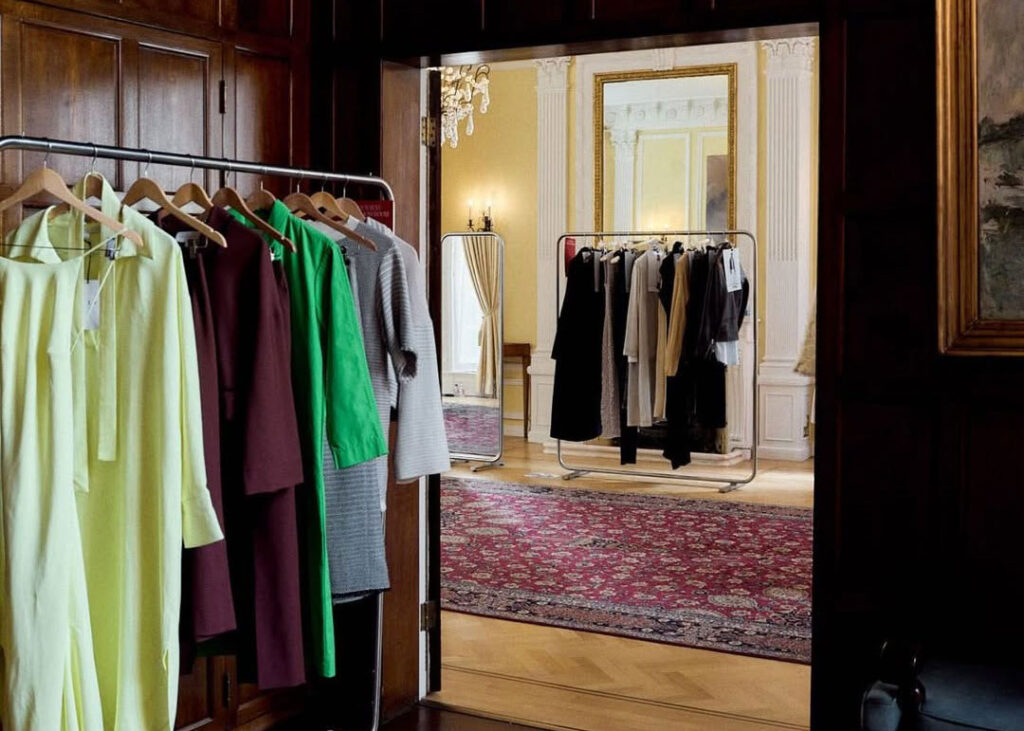
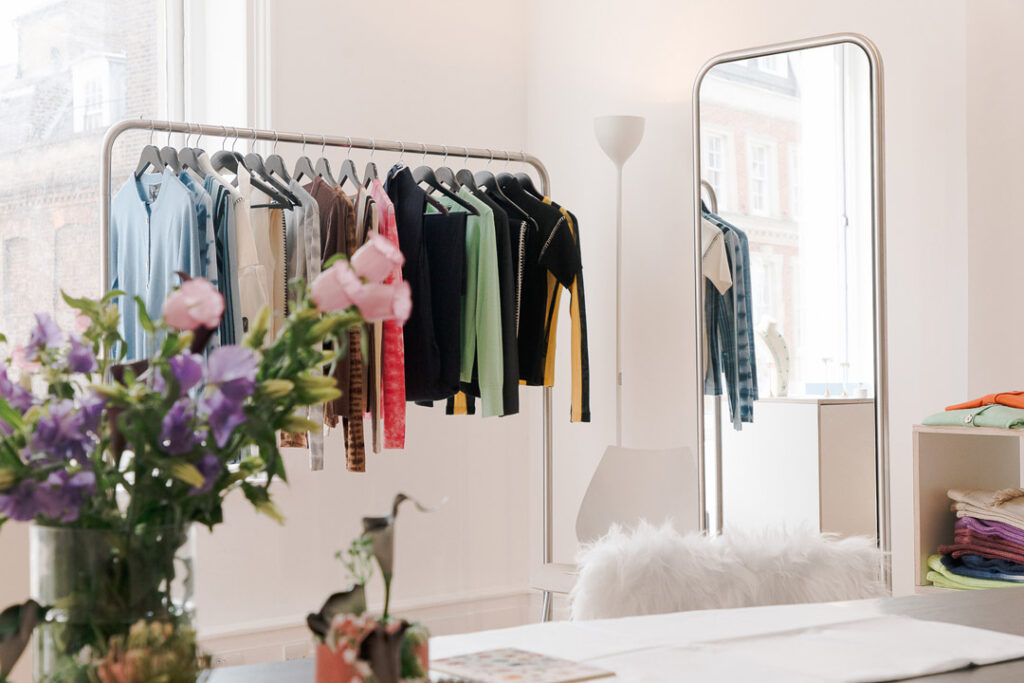
Featured photo of Nona The Label
As brands increasingly use temporary spaces to launch, test and build communities, the bar for pop-up retail is getting higher. Here’s how to create a temporary space that feels considered, commercially useful and unmistakably yours.
The pop-up has changed.
What was once primarily a short-term solution for testing a product or shifting seasonal stock has become a more sophisticated part of the brand calendar. A three-day showroom can sit alongside an online launch. A week-long residency can introduce a new audience to a brand. An archive sale can become a destination in its own right. A temporary London store can function as retail, content studio, community space and press opportunity at the same time.
The common denominator is the space.
As more brands move between digital and physical touchpoints, the expectation around temporary retail has changed too. A pop-up no longer gets a free pass for looking temporary. Customers have become accustomed to highly considered brand environments, whether they’re walking into a permanent flagship, a fashion week showroom or a 10-day activation.
The question is no longer simply how do we get people through the door?
It’s what do we give them when they arrive?
From FoundPop’s experience working across temporary retail, showrooms and brand activations, that shift is increasingly visible in the way brands approach the physical environment. Furniture is no longer an afterthought to the campaign; it is part of how the campaign is experienced.

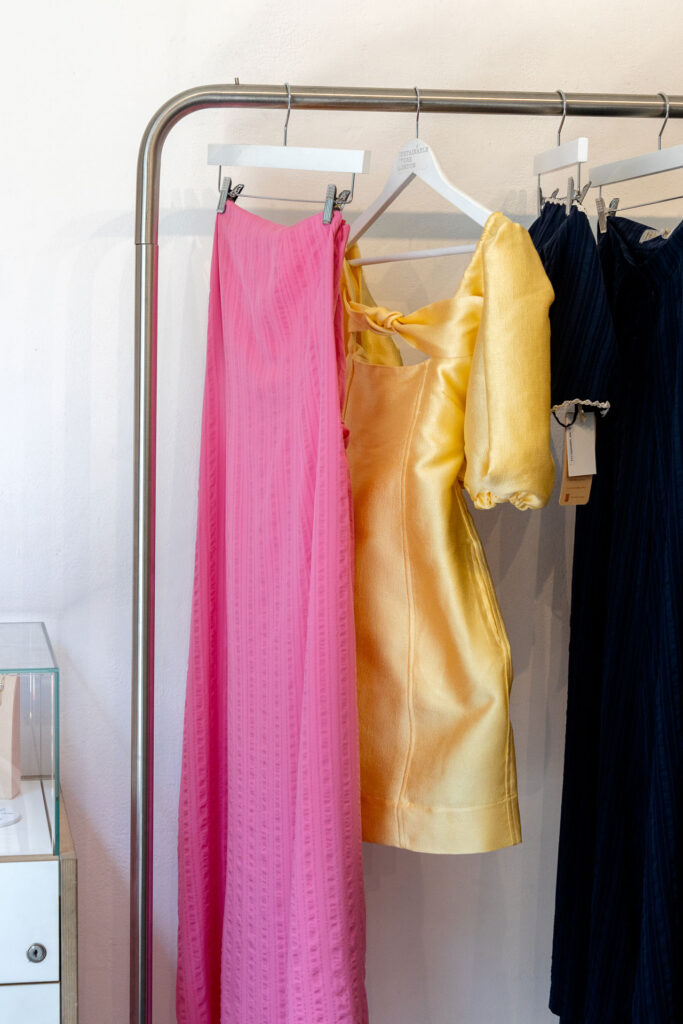
Tea and Tequila Pop-Up Furniture Hire by FoundPop
The new role of the pop-up
Physical retail is increasingly being used as a way to do something digital cannot.
To create proximity. To build community. To let people touch a product, speak to the people behind it and experience a brand outside the constraints of a screen.
That makes the physical environment part of the proposition.
For emerging fashion brands, a temporary shop can be an opportunity to meet customers before making the commitment to permanent retail. For international labels entering London, it can provide a relatively low-commitment way to establish a presence and understand a new market. For established brands, temporary spaces can create urgency around a collection or offer a more experimental setting than a permanent store allows.
The format might be temporary. The thinking behind it shouldn’t be.
This is one reason the demand for pop-up furniture hire has evolved alongside the format itself. Brands are no longer simply looking for enough rails to hold a collection. They’re considering the entire customer journey: what people see when they enter, where they browse, where they try things on, what they photograph, where they pause and how the space changes throughout the day.
Start with the traffic opportunity
The calendar matters.
Some periods naturally bring more attention to physical retail, making them particularly useful for brands planning a temporary space.
September is an obvious example in London. London Fashion Week brings designers, buyers, editors, creators and wider fashion audiences into the city, creating a concentrated period of activity around launches, showrooms, presentations, events and retail.
The opportunity isn’t limited to brands showing on the official schedule. The wider ecosystem creates a reason for people to be in London and, importantly, a reason to discover something new.
The same principle applies later in the year.
November and December bring gifting, party dressing, seasonal collections and increased high-street traffic. A temporary space can become a destination for a specific edit rather than trying to replicate a conventional department store. January brings a different set of opportunities, from archive and sample sales to new-season appointments and quieter, more considered customer experiences.
The useful question is not simply when can we open a pop-up?
It’s when will the audience already be looking for what we’re offering?
FoundPop sees this particularly clearly around London’s peak retail and fashion calendar, when brands are often working within tight windows and need a space to perform several jobs at once. Planning the furniture alongside the venue, production and customer journey can make the difference between a space that simply opens on time and one that actually works.
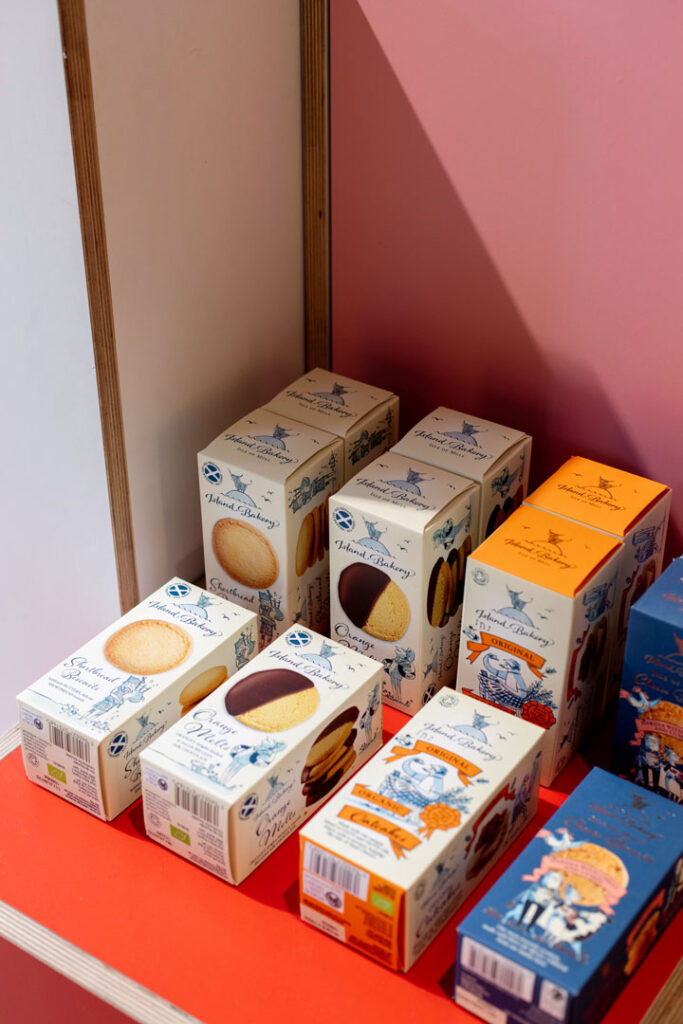
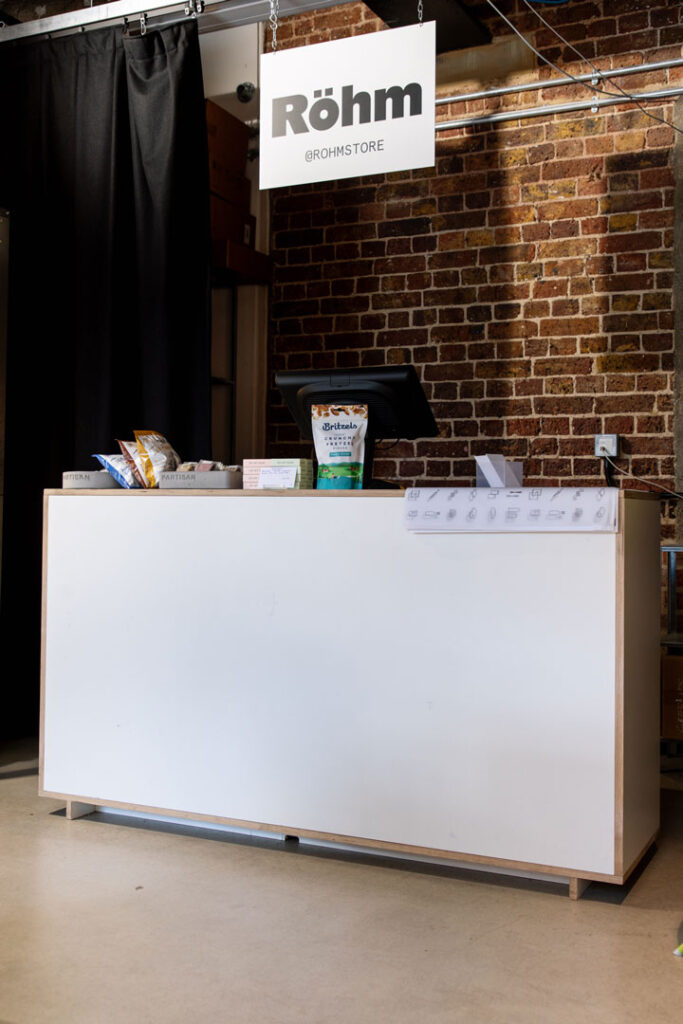
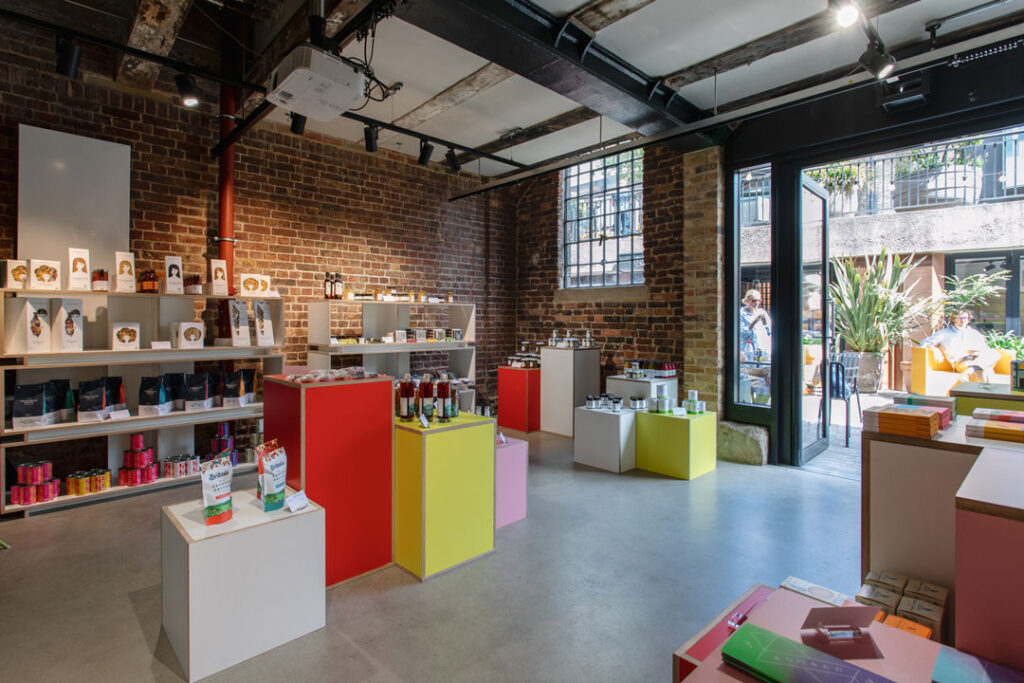
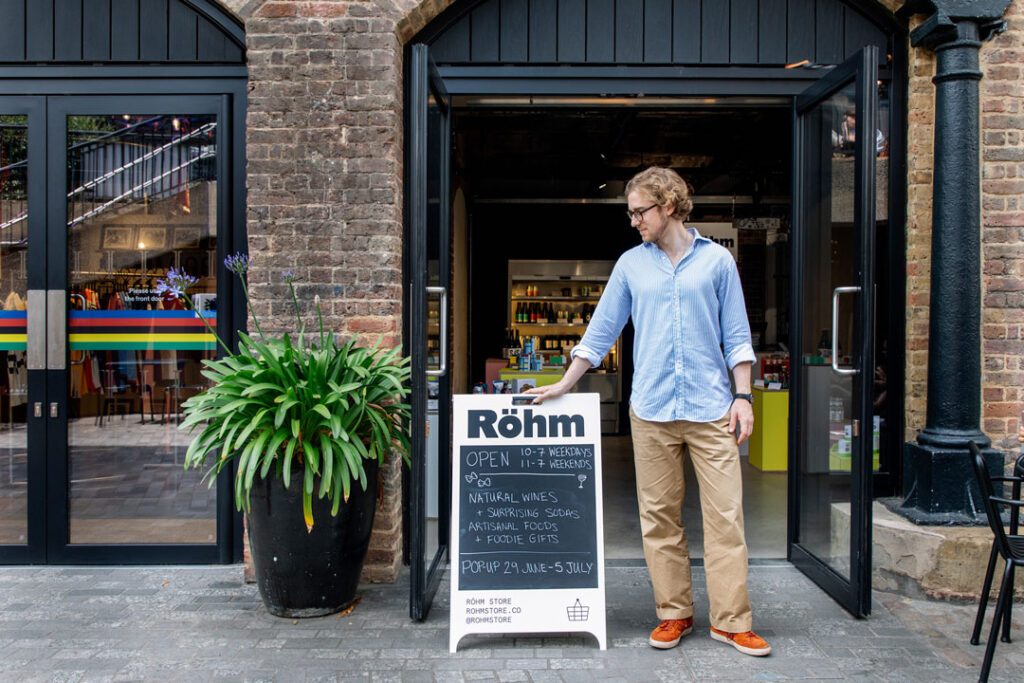
Rohm Pop-Up Furniture Hire by FoundPop
Design for the way people actually move
A beautiful floor plan isn’t necessarily a useful one.
Temporary retail often has to work harder than permanent retail because the space is expected to accommodate multiple purposes within a short period of time.
A showroom might need to feel open and editorial for press appointments in the morning, then accommodate customers in the afternoon. A launch event might need clear sightlines and circulation before transforming into a retail environment the following day.
Furniture plays a quiet but important role in this.
Rails define movement. Plinths create moments of focus. Shelving changes how products are browsed. Mirrors and fitting rooms introduce functionality. Counters establish a point of interaction.
The best event furniture hire London can offer isn’t necessarily the most visually distinctive. It is the furniture that allows the room to work without making itself the centre of attention.
This is something FoundPop has built its approach around: modular furniture that can be configured according to the space, rather than requiring brands to design their activation around a fixed furniture package. For a showroom, that might mean a more open arrangement for appointments; for retail, the same pieces can be repositioned to create clearer browsing and fitting areas.
Don’t underestimate the details
Premium design is often less about adding something spectacular and more about removing the things that make a space feel unfinished.
A rail that’s overloaded. A cash desk that’s too large for the room. Display that’s inconsistent in height. A fitting room positioned where customers have to walk through the busiest part of the space.
Small decisions have a cumulative effect.
Materials matter too. Timber can soften an otherwise industrial venue. Stainless steel can introduce a sharper, more contemporary quality. Plinths can give individual products enough visual space to register. Display cases can turn smaller objects into focal points rather than allowing them to disappear amongst a larger collection.
These are relatively simple interventions, but together they create a stronger sense of authorship.
This is where premium pop-up furniture hire can make sense for brands that want the flexibility of rental without falling into the visual language of temporary infrastructure.
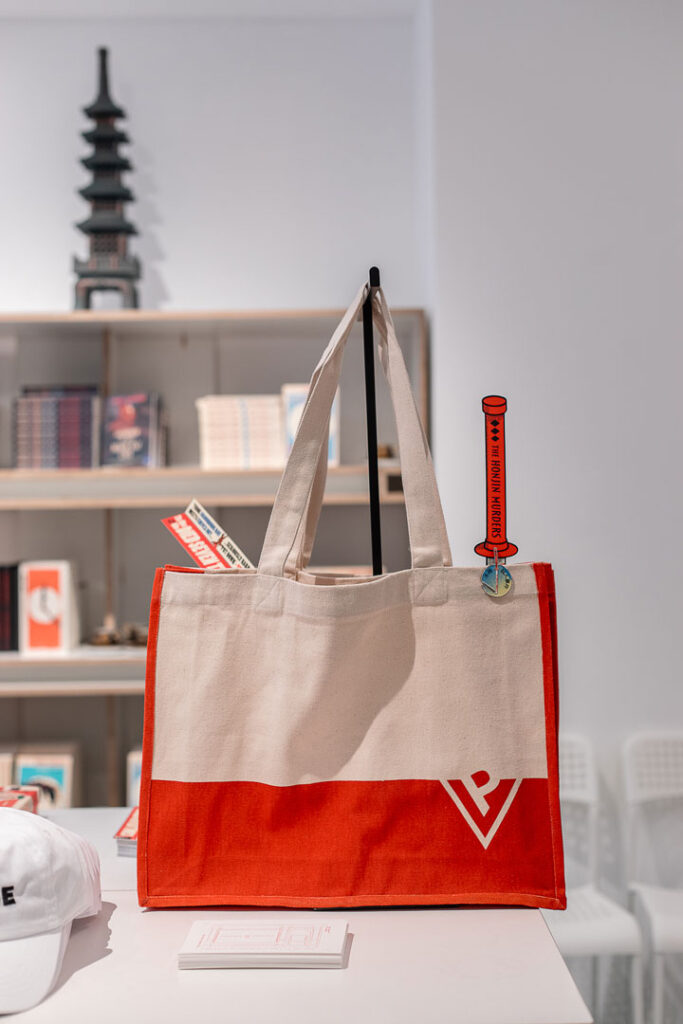
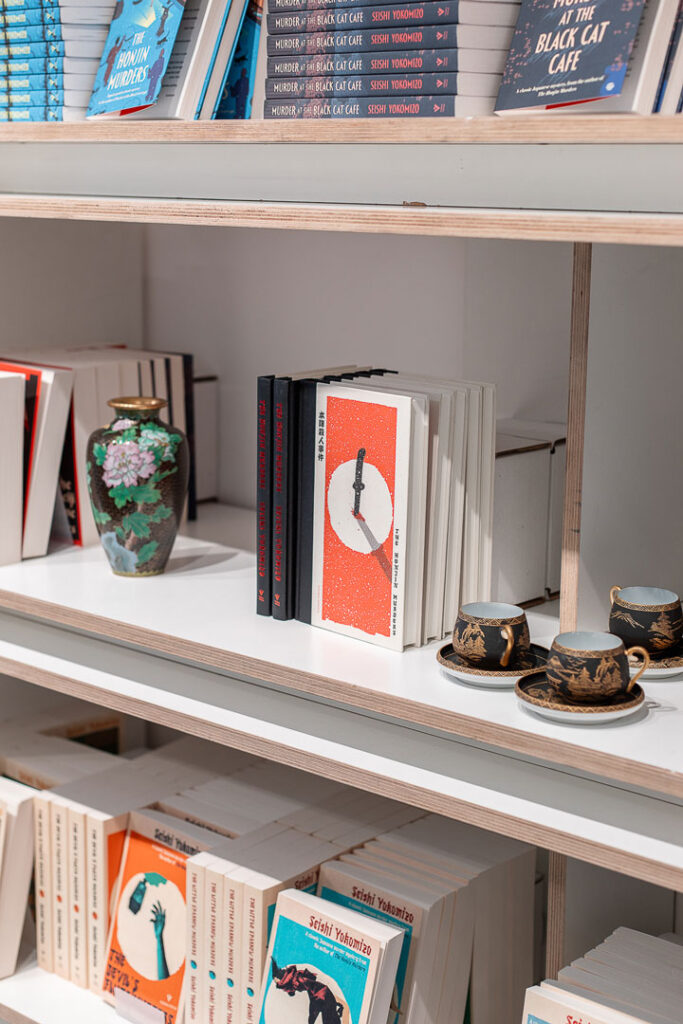
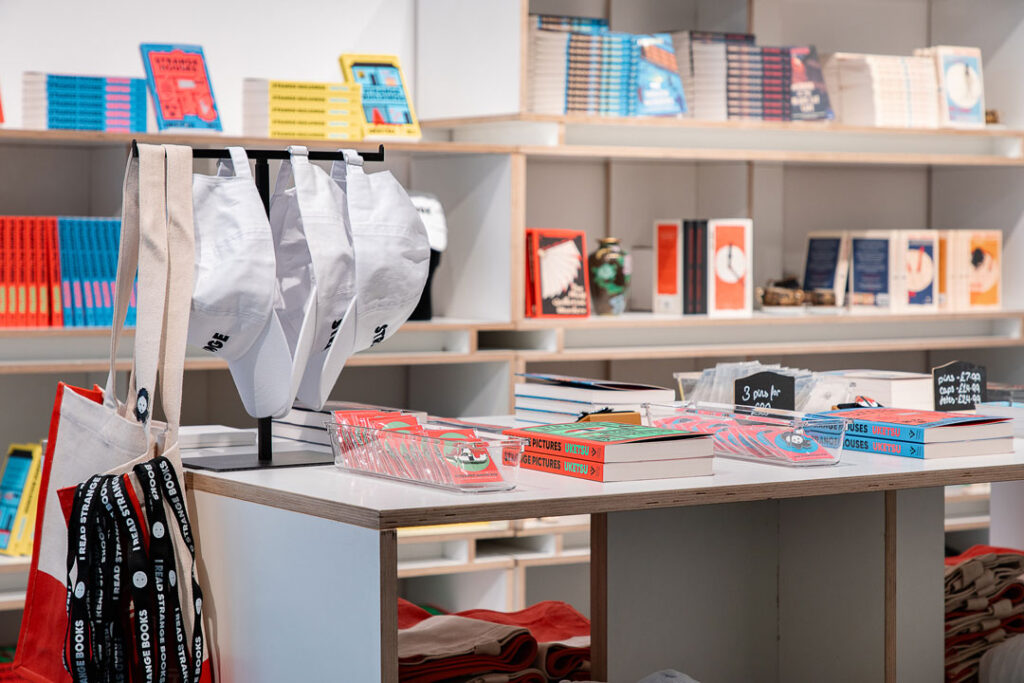
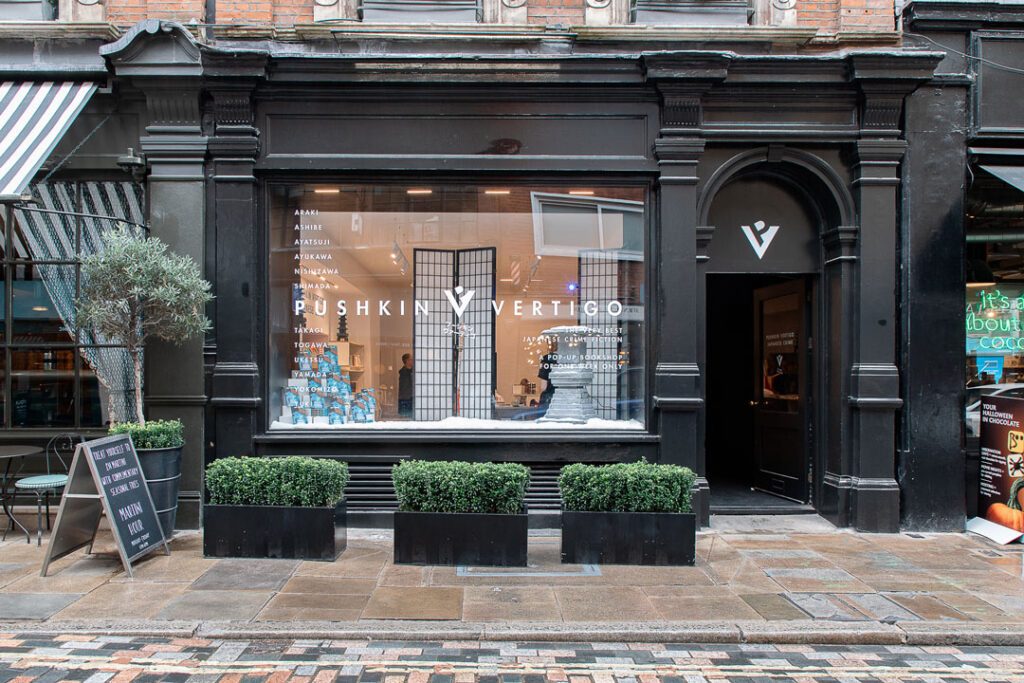
Pushkin Press Pop-Up Furniture Hire by FoundPop
Make the furniture part of the brand
Not every brand needs bespoke furniture.
But every brand needs some sense of identity in the physical space.
One increasingly useful middle ground is customisation.
Vinyl can be applied to selected furniture pieces to introduce logos, graphics, campaign artwork, colour or messaging without commissioning an entirely bespoke fit-out. It can be particularly effective when used selectively: a branded cash desk, a graphic plinth or a single strong colour treatment can be enough to connect the furniture to the wider campaign.
The restraint is important.
If every surface carries the logo, the space can start to feel more like a branded installation than a retail environment. Used sparingly, customisation can make standard rental furniture feel much more specific to the brand.
It also gives brands another way to adapt the same furniture across different campaigns.
A piece used for a September showroom can look entirely different when it returns for a winter activation.
Think in content, not just footfall
One of the biggest changes in physical retail is what happens after someone leaves.
The space itself can become part of the campaign.
A considered product display can become social content. A distinctive fitting room can appear in customer posts. A branded plinth can become a recurring visual device. A well-designed launch environment can generate imagery that continues circulating long after the temporary space has closed.
That doesn’t mean designing everything for Instagram.
In fact, spaces that are too obviously designed for content can quickly feel dated.
Instead, think about what is naturally photographable. Strong materials. Interesting proportions. Good lighting. A memorable product moment. A layout that gives people something to discover.
The best content often comes from spaces that were designed well in the first place.
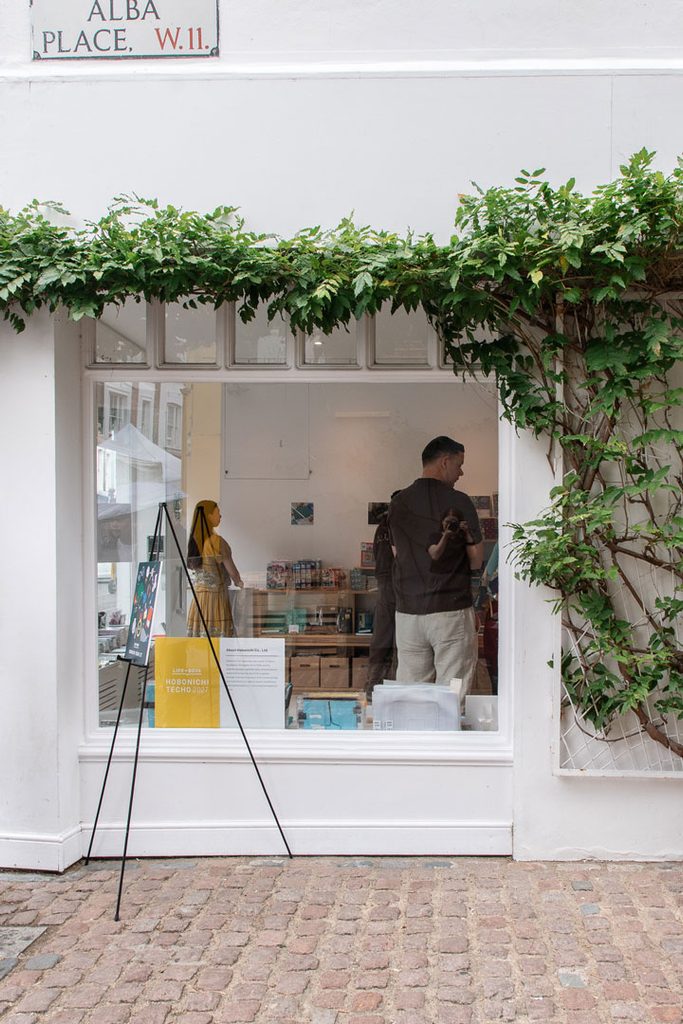
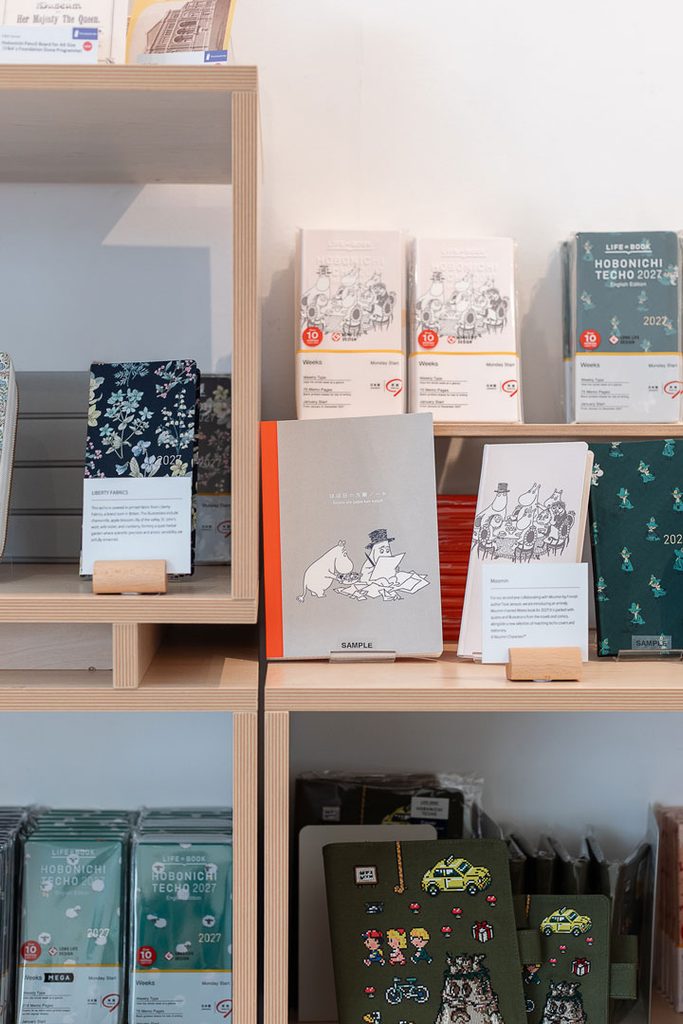
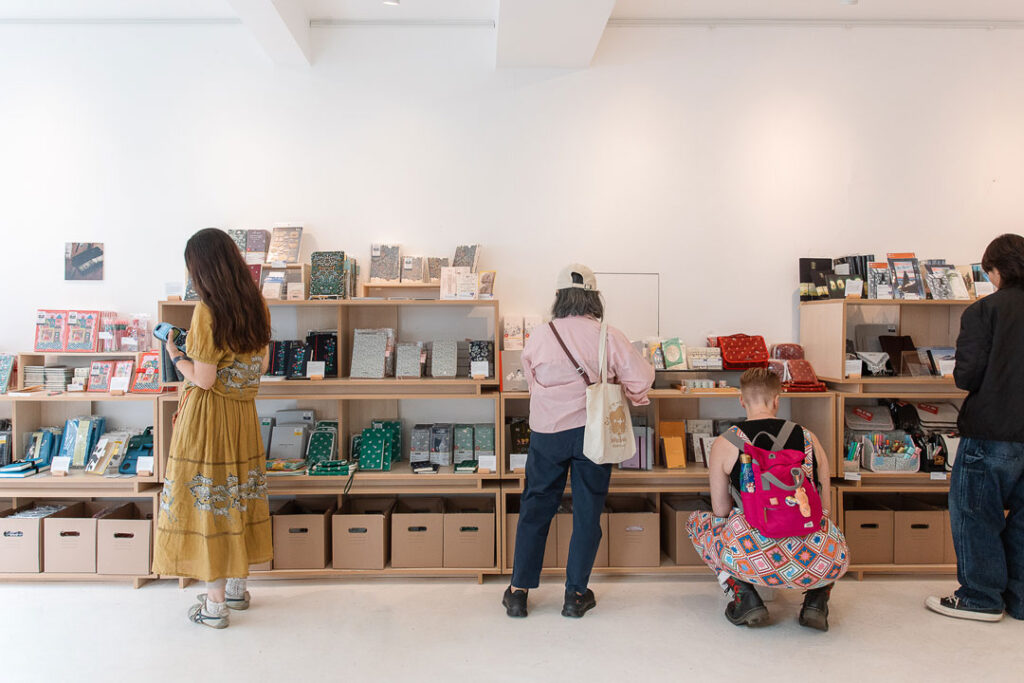
Hobonichi Pop-Up Furniture Hire by FoundPop
Temporary doesn’t have to mean disposable
There is also a growing tension between the popularity of temporary retail and the industry’s environmental impact.
Short-term spaces can generate large amounts of single-use graphics, fixtures, furniture and packaging, much of which has little purpose once an activation closes.
Rental offers one route towards a different model.
It is also the model FoundPop was built around. Its furniture is designed to move between different brands, spaces and briefs, with modular components that can be replaced rather than requiring an entire piece to be discarded. The result is a different way of thinking about temporary infrastructure: designed for movement and repeated use rather than a single campaign.
This is where the distinction between temporary and disposable becomes important.
A temporary space can still be built around materials, furniture and production choices intended to be used again.
For brands looking for sustainable event furniture hire, that lifecycle is worth considering alongside the immediate visual brief.
Give the space a second job
A useful way to approach temporary retail is to ask what the space needs to achieve beyond selling.
Could it host a customer event?
Could the same furniture work for a press appointment?
Could the layout be adapted for a content shoot?
Could the space accommodate a product launch without being completely rebuilt?
Could furniture move to another location afterwards?
This kind of thinking is particularly relevant as brands experiment with residencies rather than one-off pop-ups.
A four-week space has very different requirements from a two-hour launch, but the principle is the same: build an environment that can change without losing its identity.
For producers and agencies, this can also simplify the practical side of delivery. A modular furniture collection gives more options when a brief changes, a venue has unexpected restrictions or an activation needs to evolve between days.
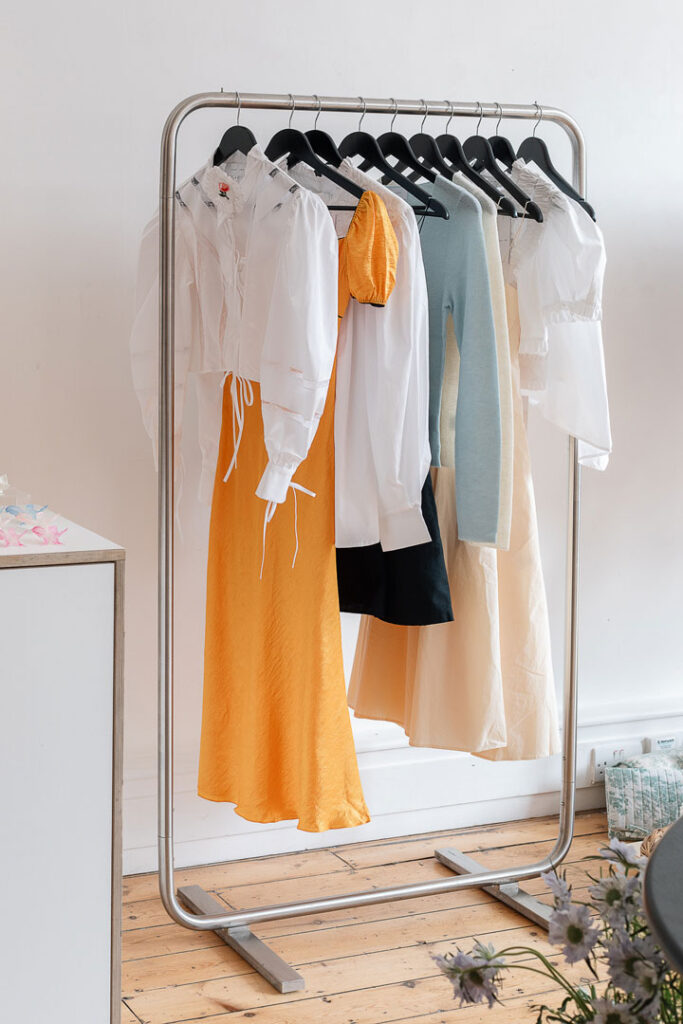
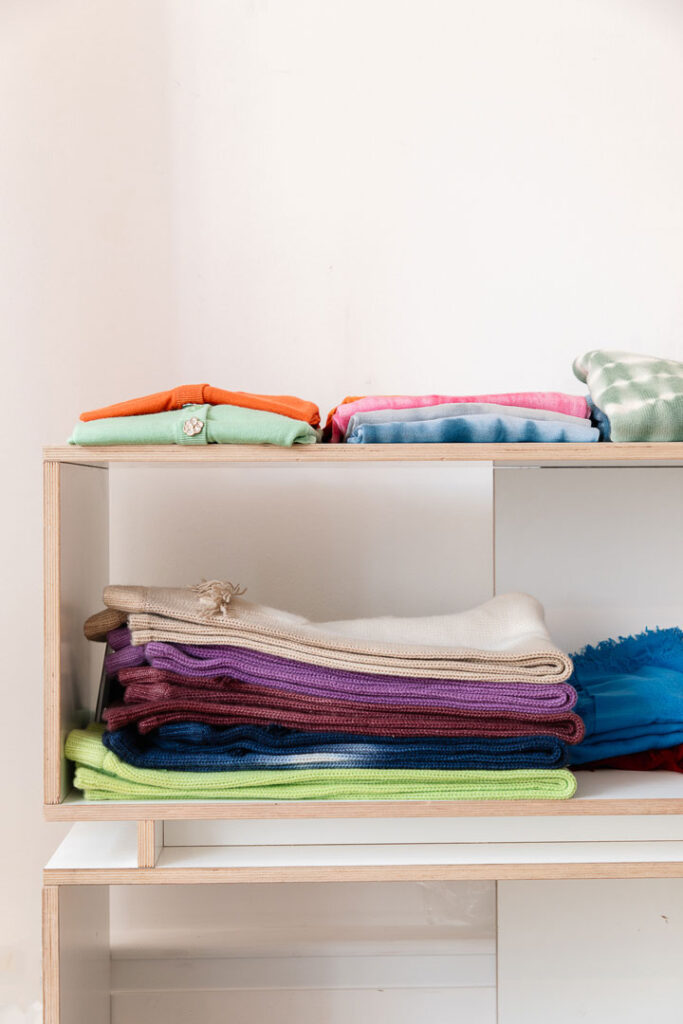
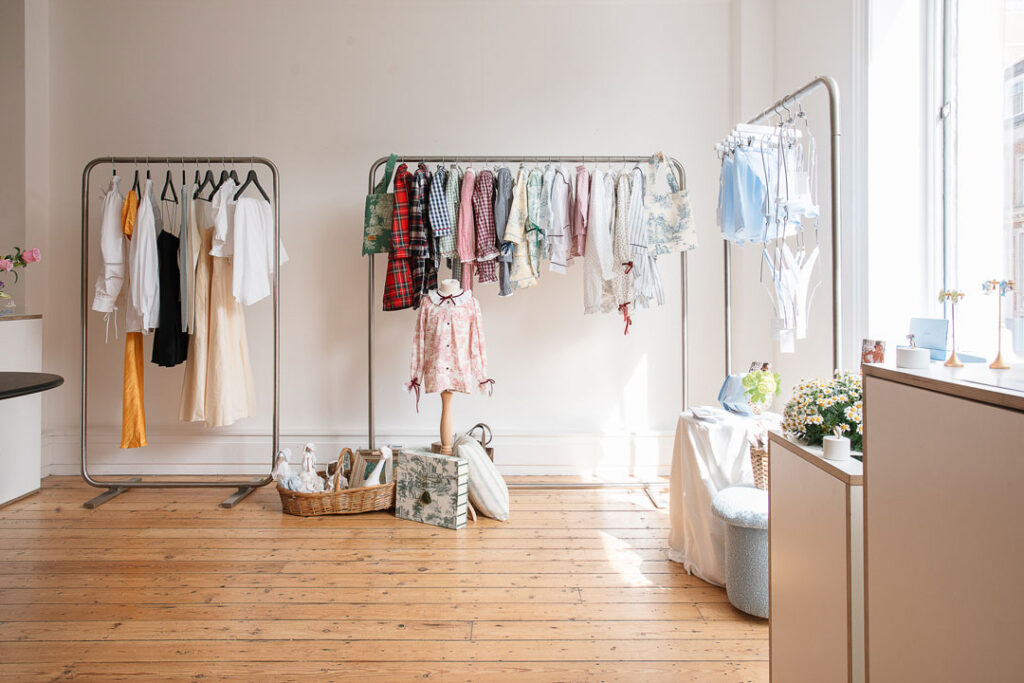
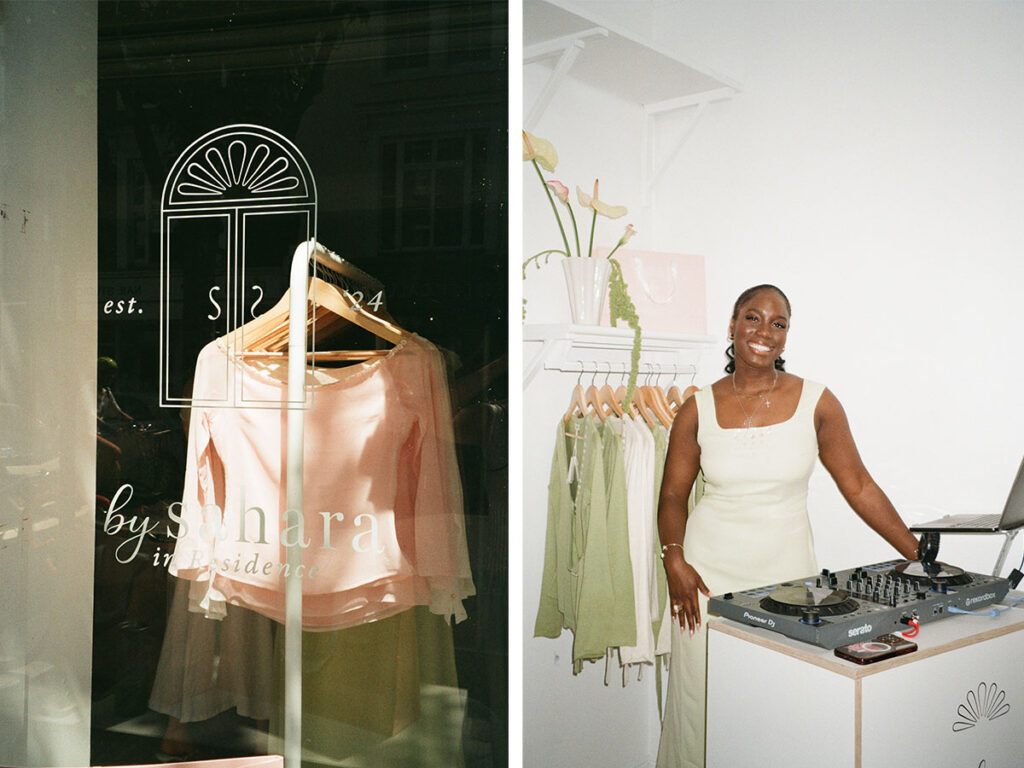
Nona The Label Furniture Hire by FoundPop
London rewards considered spaces
London is particularly well suited to this kind of experimentation.
The city has a dense network of fashion, beauty, food, design, publishing and lifestyle brands, alongside an audience accustomed to discovering new names through temporary spaces.
From Soho and Shoreditch to Notting Hill, Mayfair and Covent Garden, different neighbourhoods bring different audiences and different expectations. A space doesn’t necessarily need to be large to make an impression.
In many cases, a smaller footprint with a clear point of view is more effective than trying to recreate a conventional shop.
That makes the choice of London event furniture supplier more strategic than it might initially appear. Furniture needs to respond not only to the brand but to the realities of the venue, access, duration, customer flow and production schedule.
After working across everything from fashion week showrooms and archive sales to temporary retail and brand activations, FoundPop’s perspective is that the furniture works best when it supports the experience rather than competing with it. The strongest spaces feel intentional because every element has a job to do.
The best temporary spaces leave something behind
The strongest pop-ups aren’t necessarily the biggest or most elaborate.
They’re the ones that give people a reason to have made the journey.
Sometimes that’s a new collection. Sometimes it’s access to a brand they couldn’t previously experience in person. Sometimes it’s a limited product, a collaboration, an event or simply the opportunity to spend time somewhere that feels different from the usual retail environment.
Furniture is only one part of that equation.
But it creates the framework around which everything else happens.
The collection. The campaign. The customers. The content. The conversation.
A temporary space may only exist for a few days, but the impression it creates can last considerably longer.
And that’s why the best temporary spaces don’t feel temporary.
Reserve FoundPop event furniture hire and get ahead of peak-season availability.
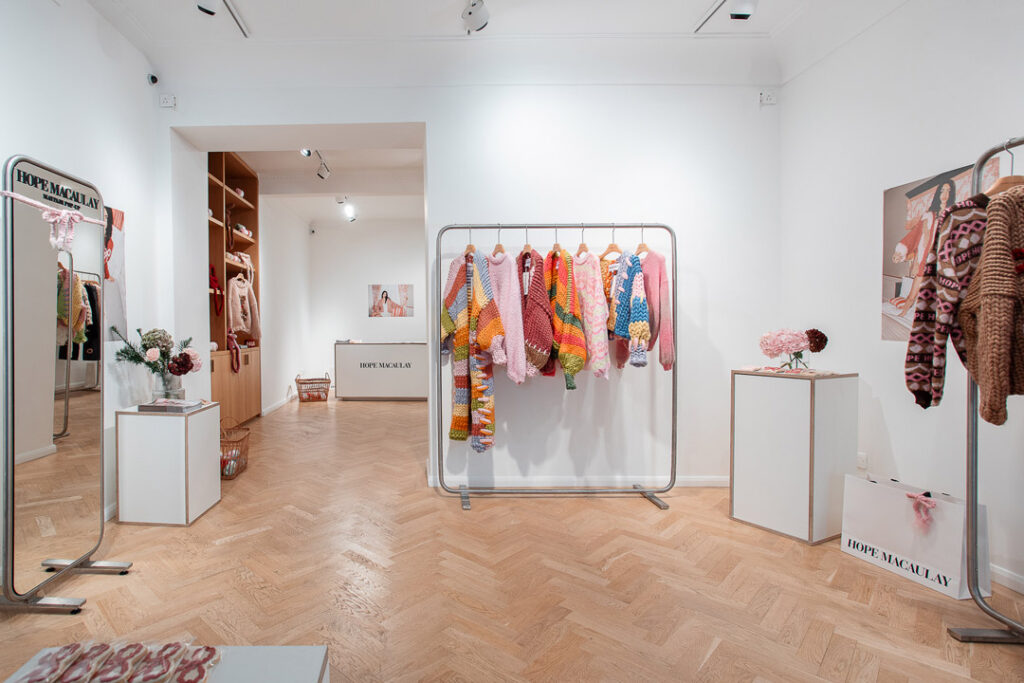
Hope Macaulay Holiday Pop-Up by FoundPop