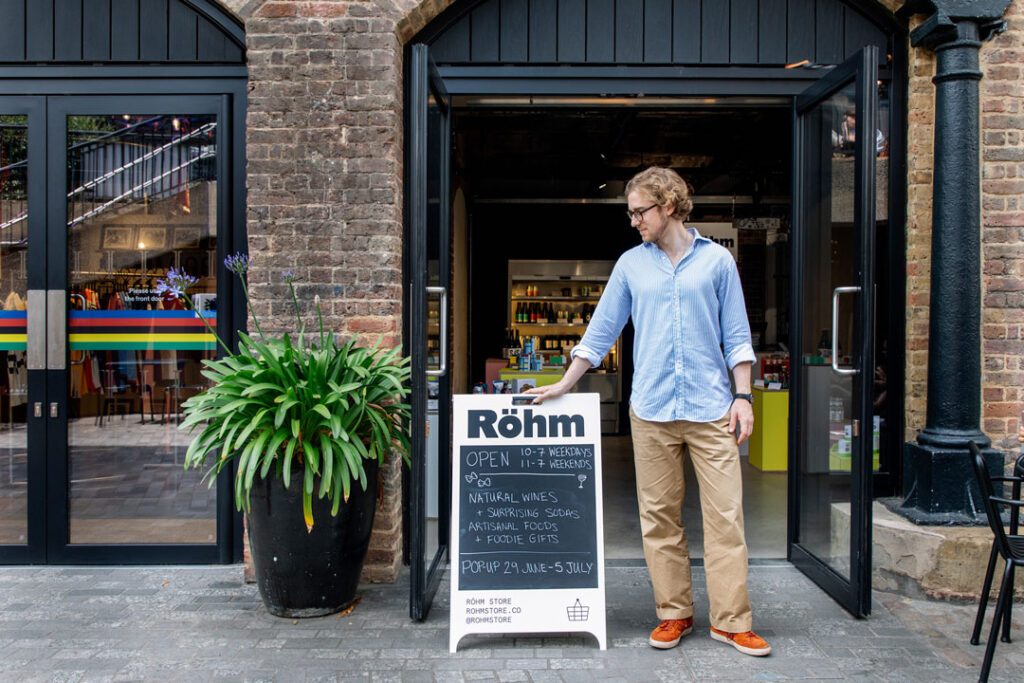
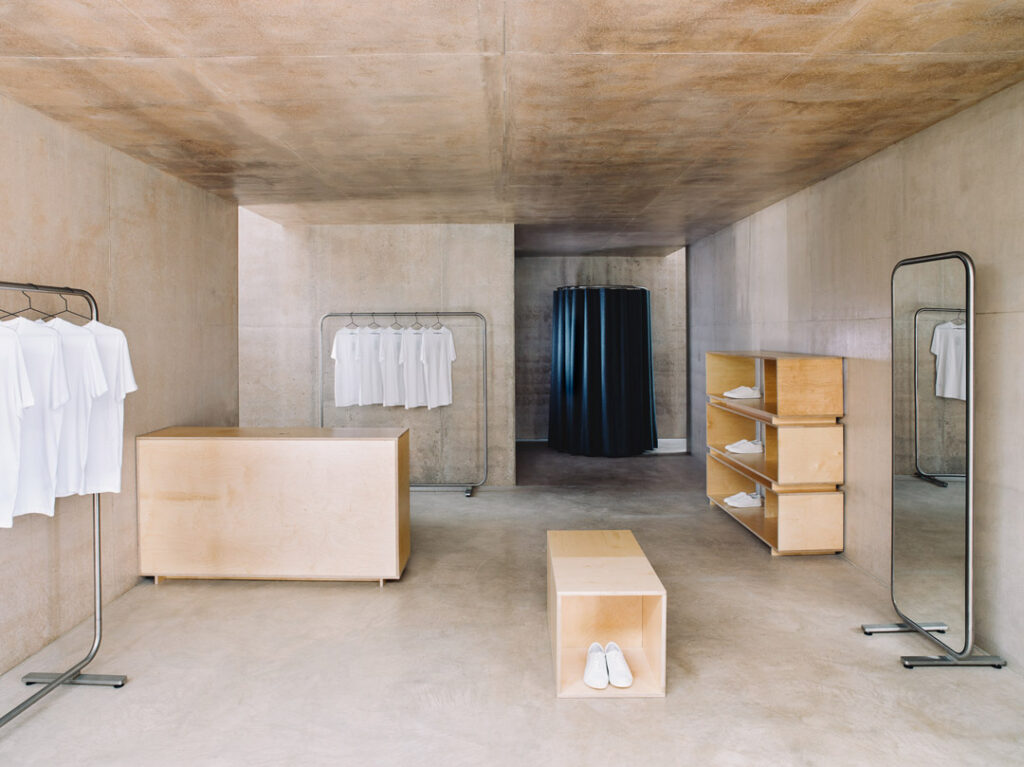
This isn’t a prediction piece built around a single trend; it’s a scan of where momentum is already concentrating.
Across fashion, wellness, beauty, food, culture, and circular retail, very different industries are arriving at the same conclusion: physical space works best when it’s temporary, repeatable, and designed around experience rather than volume. The sectors below reflect that shift from multiple angles.
We’ve laid this out as a list on purpose. Each category shows why these industries are investing in experiential formats, how they’re using space, and what that means operationally — from layouts and dwell time to furniture systems that can move, adapt, and scale. Read each section on its own, but pay attention to the patterns that repeat across them.
1. Premium & Sustainable Fashion (Mid → High-End)
Why they’re rising
- McKinsey flags a continued squeeze on wholesale margins → brands are reclaiming direct-to-consumer, temporary retail
- Sustainability pressure is pushing shorter runs, modular retail, and archive-led storytelling
- Inventory discipline = fewer permanent stores, more residencies and drops
How they show up physically
- Archive sales & re-commerce pop-ups
- Fashion week showrooms & press days
- City-hopping brand residencies
- Community-led launches (talks, workshops, styling sessions)
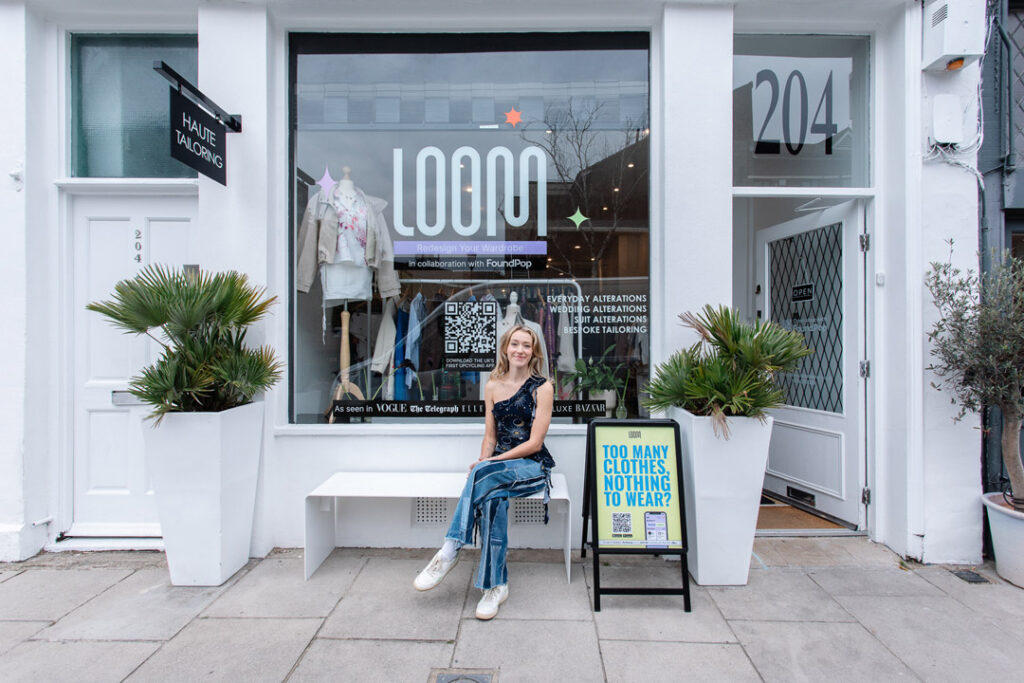
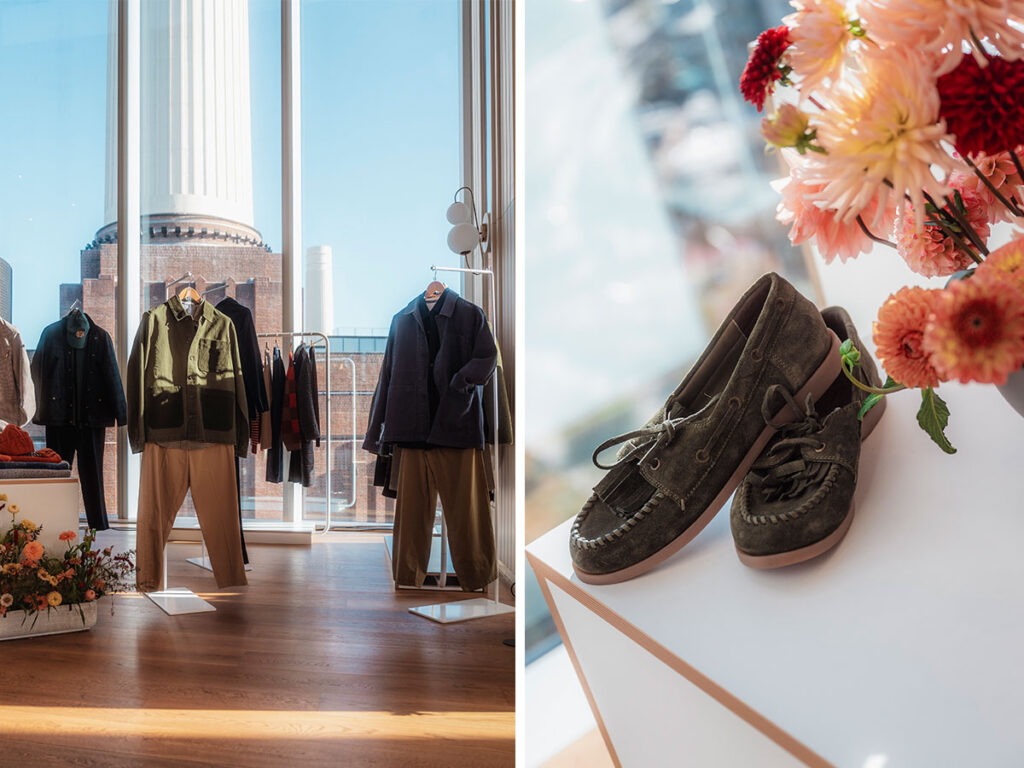
Featured photo of LOOM x FoundPop
2. Wellness, Performance & Lifestyle Brands
(Athleisure, recovery, beauty-from-within, longevity)
Why they’re rising
- Wellness is no longer a product — it’s a practice brands host
- Growth in ritual-based engagement: run clubs, breathwork, skin labs, recovery mornings
- Consumers seek belonging + education, not just purchases
How they show up physically
- Studio-style pop-ups
- Wellness residencies
- Brand-led classes & treatments
- Hybrid retail + experience spaces
3. Beauty, Fragrance & Personal Care (Premium / Indie-Led)
Why they’re rising
- Sampling IRL converts better than digital ads
- Fragrance and skincare require sensory storytelling
- Indie and challenger brands are scaling through pop-ups before permanent retail
How they show up physically
- Discovery labs
- Scent libraries
- Skin consultations
- Retail + education hybrids
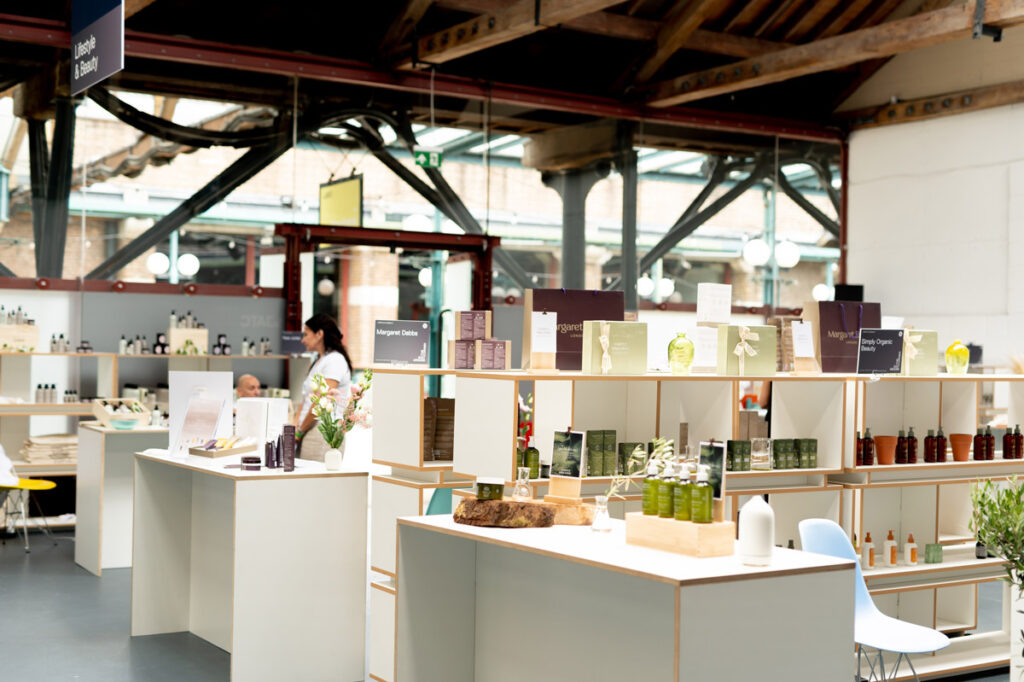
Featured photo of beauty tradeshow JATC
4. Food, Beverage & Hospitality-Adjacent Brands
(Non-alcoholic, functional drinks, ethical food, premium snacks)
Why they’re rising
- Explosion of functional beverages (adaptogens, electrolytes, alcohol alternatives)
- Brands need trial, taste, and community moments
- FMCG brands moving into brand worlds, not shelves
How they show up physically
- Tastings & takeovers
- Pop-up cafés
- Collaborations with gyms, studios, retailers
- Festival and cultural partnerships
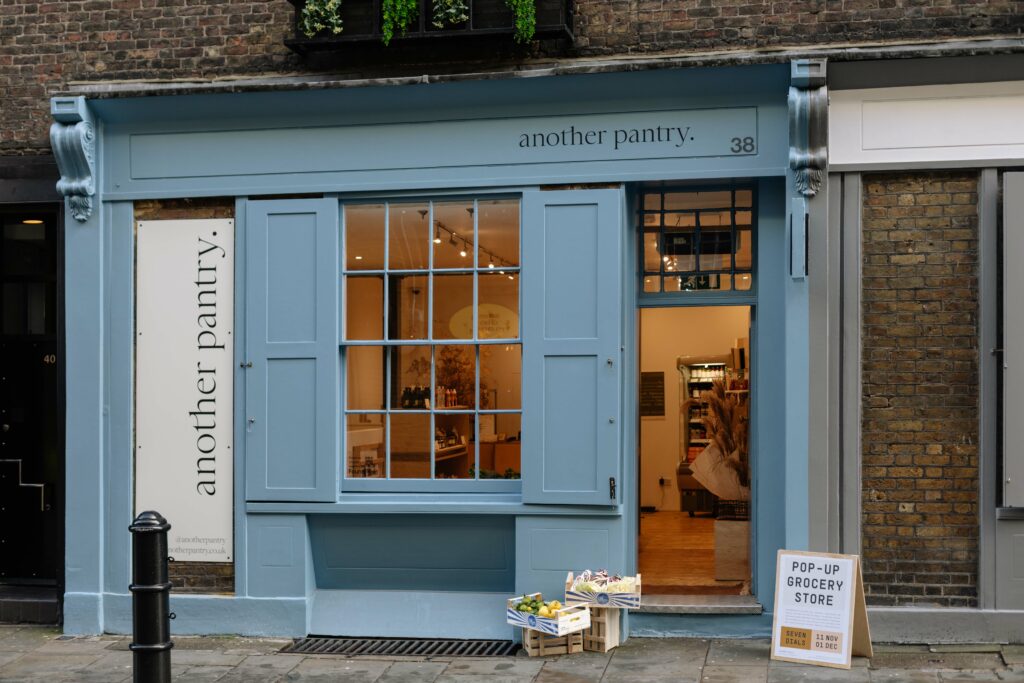
Featured photo of Another Pantry pop-up grocery store
5. Cultural, Media & Creative Brands
(Publishers, platforms, music, design-led tech)
Why they’re rising
- Media brands are becoming spaces, not just channels
- Community is built IRL: talks, screenings, launches
- Brands need owned cultural moments beyond social algorithms
How they show up physically
- Editorial pop-ups
- Listening rooms
- Panel events & launches
- Brand x artist collaborations

Featured photo of Night Dreamer album release
6. Circular Economy & Re-Commerce Brands
Why they’re rising
- Second-hand, rental, repair, and resale are now core retail strategies
- Brands are testing repair hubs, resale pop-ups, and educational formats
- Physical space builds trust in circular models
How they show up physically
- Repair workshops
- Archive & resale events
- Swap-style pop-ups
- Educational installations

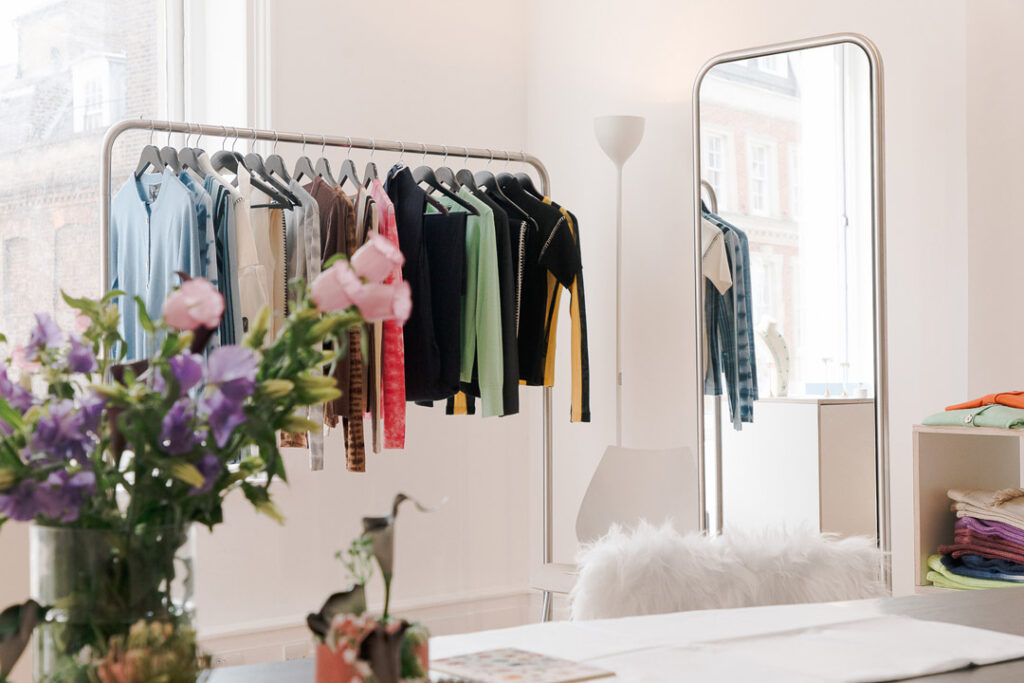
Featured photo of LOOM in Shoreditch
7. Luxury-Adjacent & Craft-Led Brands
(Homeware, design objects, slow luxury)
Why they’re rising
- High-end consumers want context, craft, and story
- Brands prefer temporary showrooms over long leases
- Growing crossover between retail, exhibition, and gallery
How they show up physically
- Appointment-led pop-ups
- Design week installations
- Private viewings & salons
The 2026 Through-Line
Taken together, these industries point to a clear shift in how physical space is being used. In 2026, the fastest-growing experiential brands aren’t chasing footfall or one-off moments of hype. They’re designing for dwell, repeat visits, and community memory.
Across sectors, the same patterns are emerging: fewer short-term pop-ups built purely for launch impact, and more modular, repeatable formats that support programming over time. Furniture is no longer an afterthought or a styling layer, it’s becoming operational infrastructure, shaping how spaces flex, host, and evolve across weeks or months.
What’s driving this isn’t a single “hot” category, but shared pressure: tighter margins, sustainability expectations, changing consumer behaviour, and the need to build loyalty beyond digital platforms. Physical experiences are being asked to work harder — to educate, convene, and create return value, not just attention.
This is exactly where FoundPop sits. Our role is to support brands navigating this shift, with design-led, reusable systems built for repeat use, not one-off spectacle. As experiential formats mature in 2026, the brands that succeed will be those designing spaces with longevity, adaptability, and community at their core.

Featured photo of Bessette
Get a feel for FoundPop with our 3D Space Planner and request a quote to design your next IRL experience.