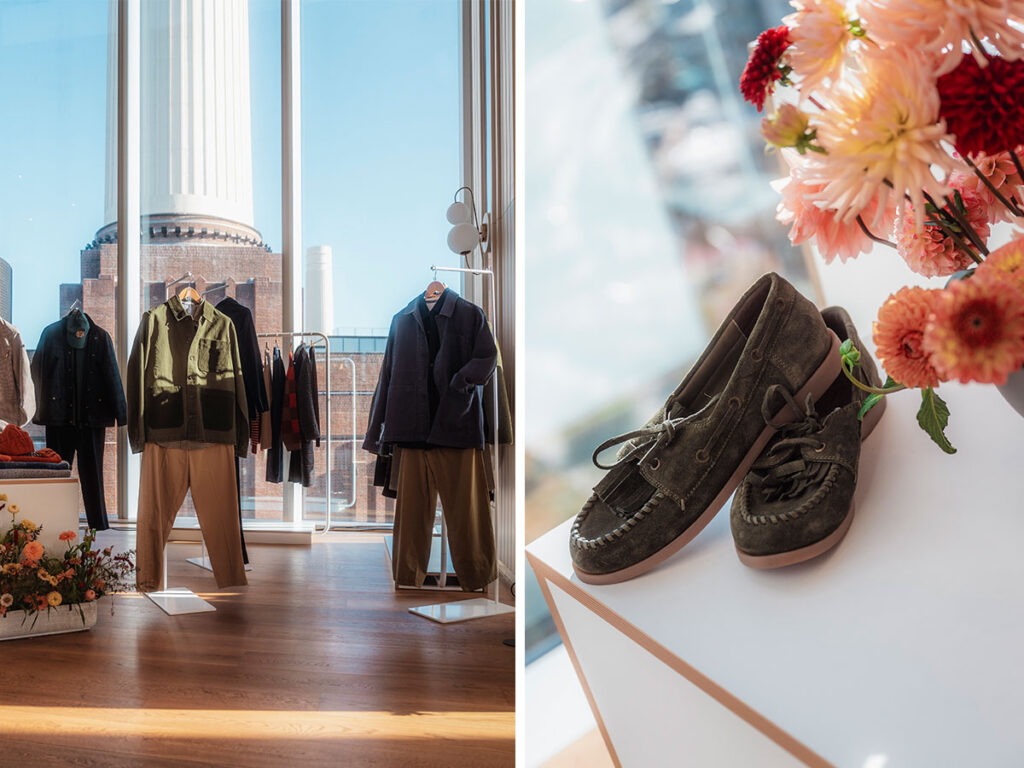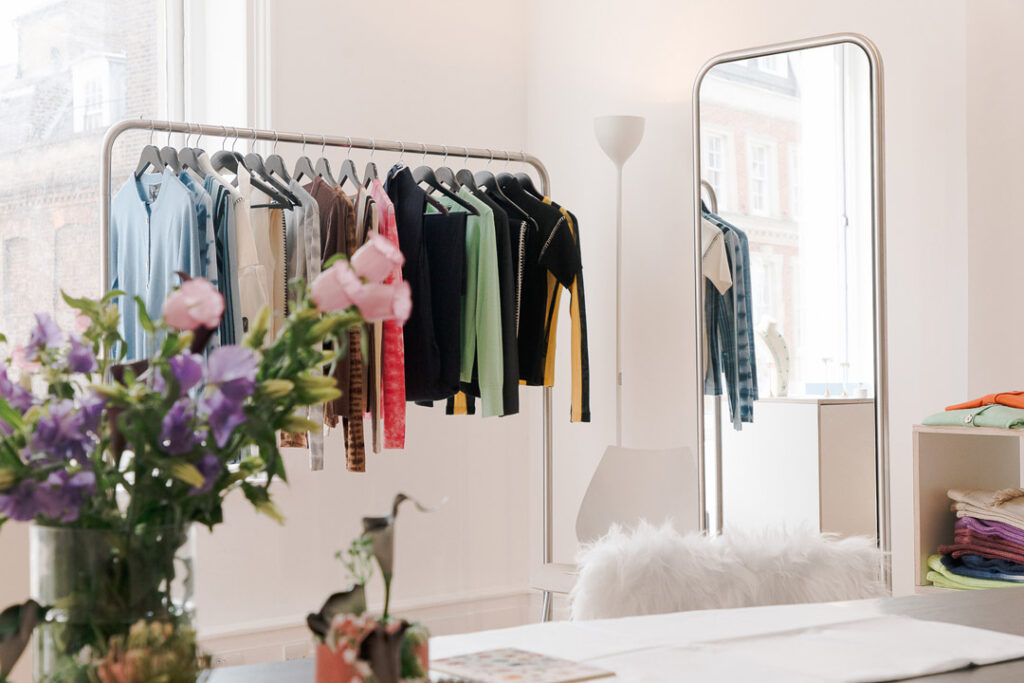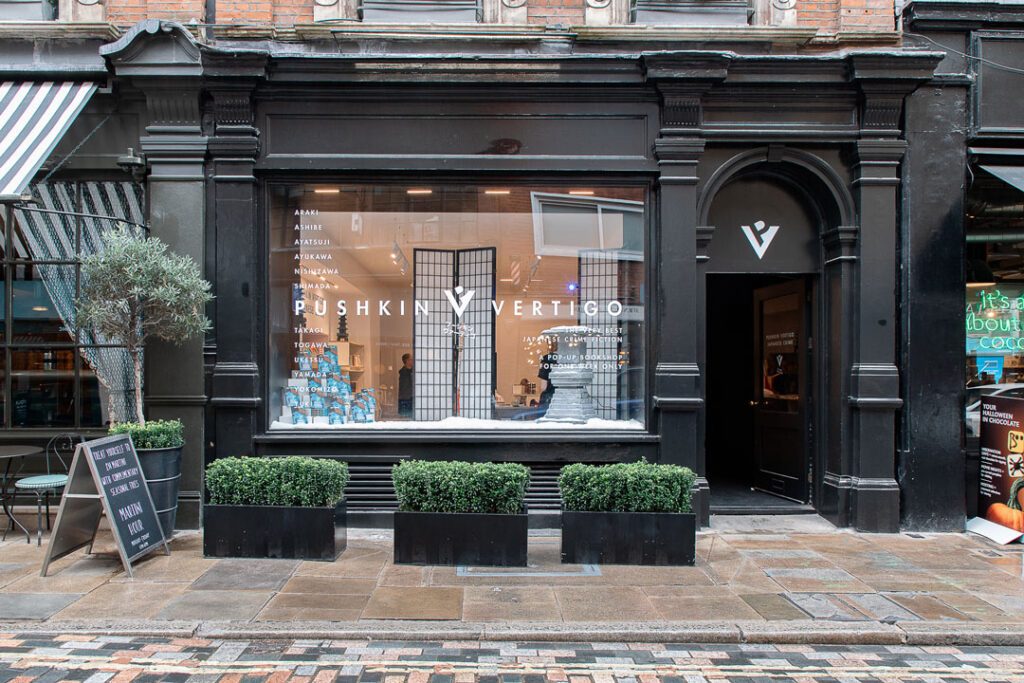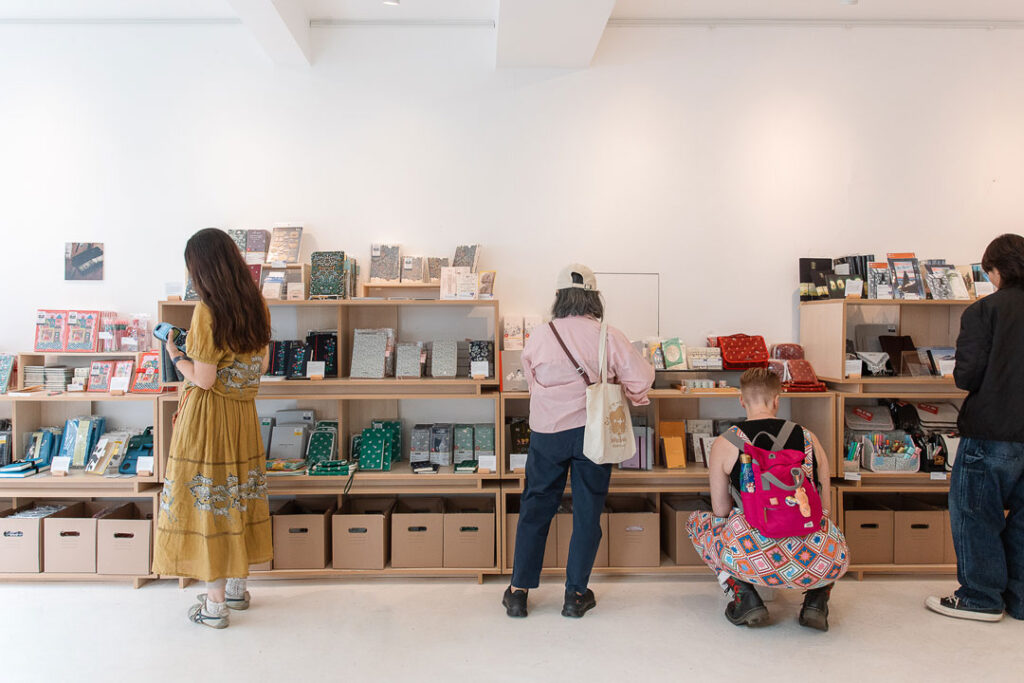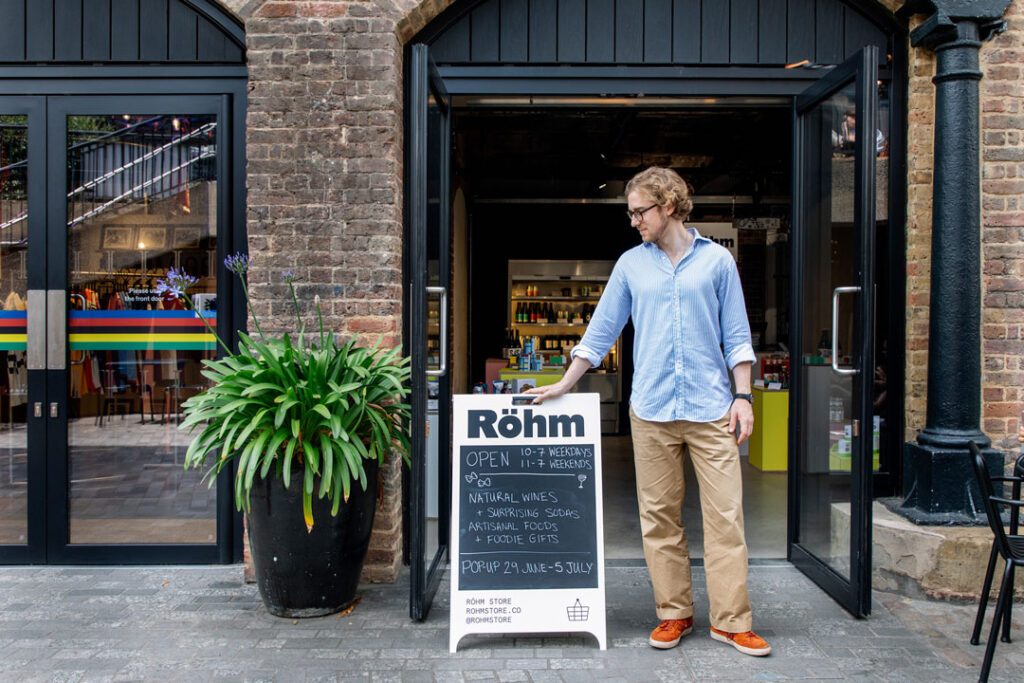
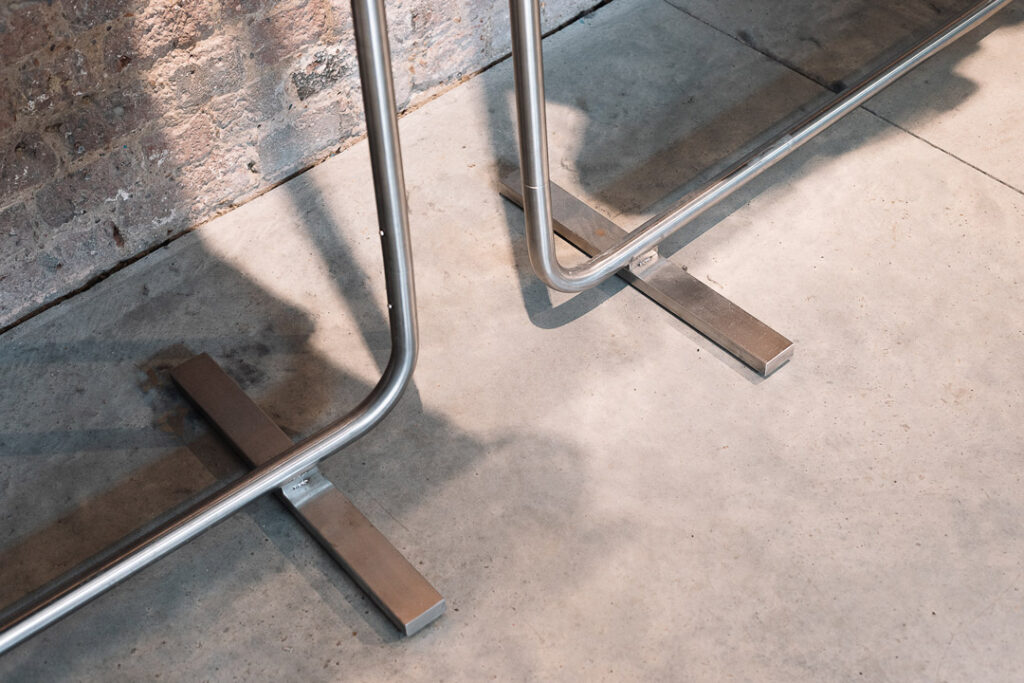
Featured photography of Seventh Stores
A Strategic Guide for Event Producers
For experienced event producers, furniture is no longer a finishing layer — it’s infrastructure.
As brands invest more selectively in physical experiences, the role of event furniture hire has evolved. Longer residencies, multi-format programming, and sharper commercial expectations mean furniture now sits at the intersection of flow, behaviour, and return on investment.
For the most successful events in 2026, they won’t rely on excess or spectacle. They will be shaped by clarity, adaptability, and confidence, drawing on years of production knowledge while responding to how audiences actually move, spend time, and engage today.
This guide explores how producers are utilising event furniture hire to build environments that perform commercially, flex operationally, and feel intentional rather than overworked.
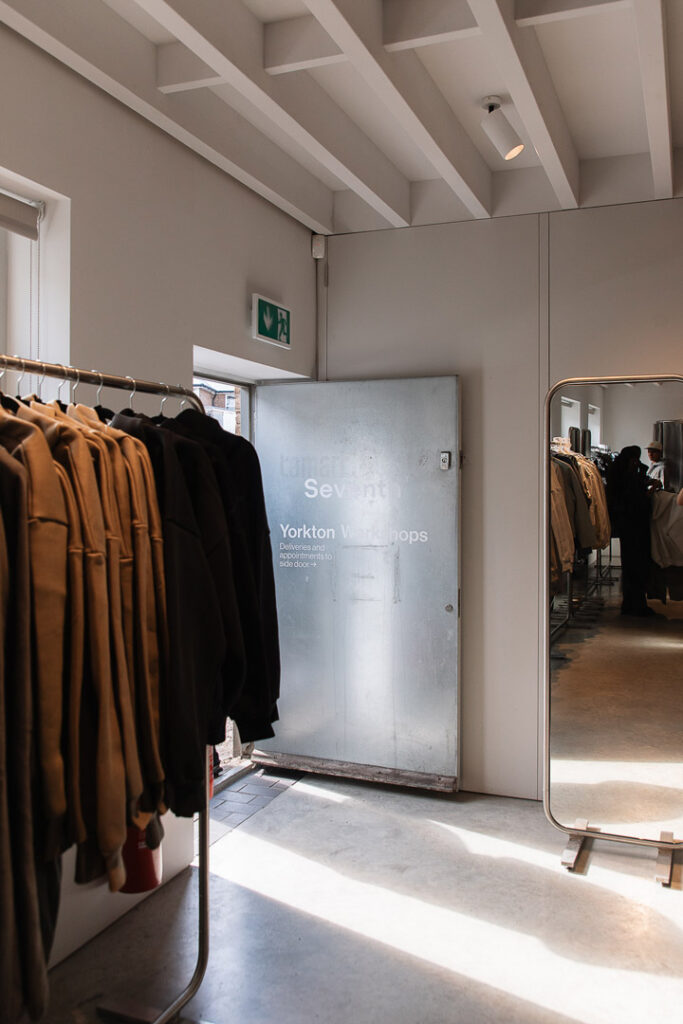
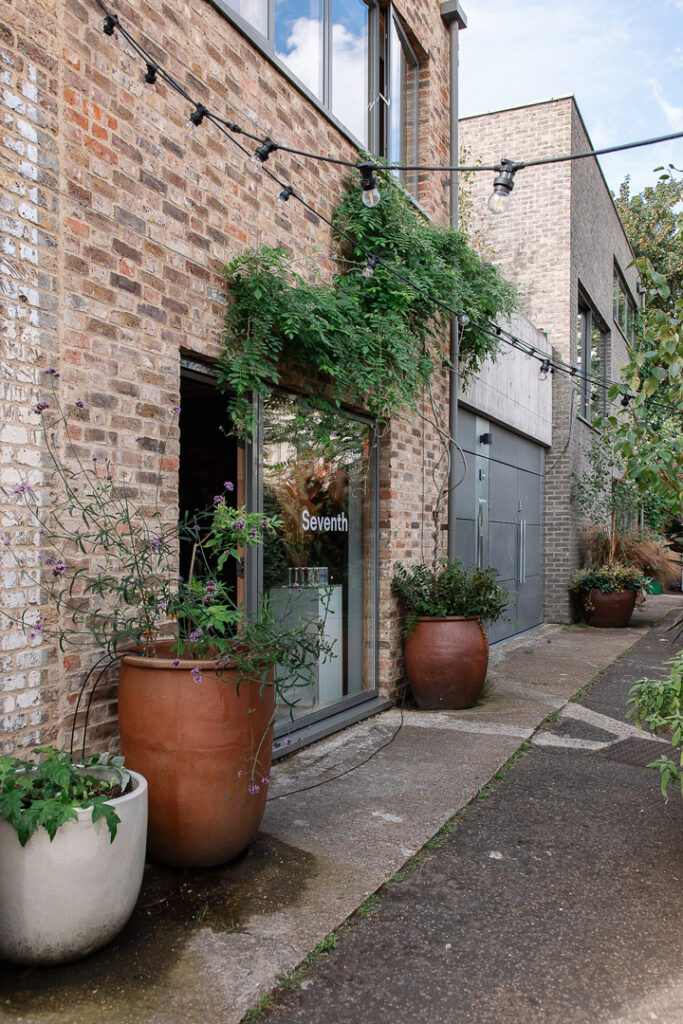
Display Furniture as a Decision-Making Tool
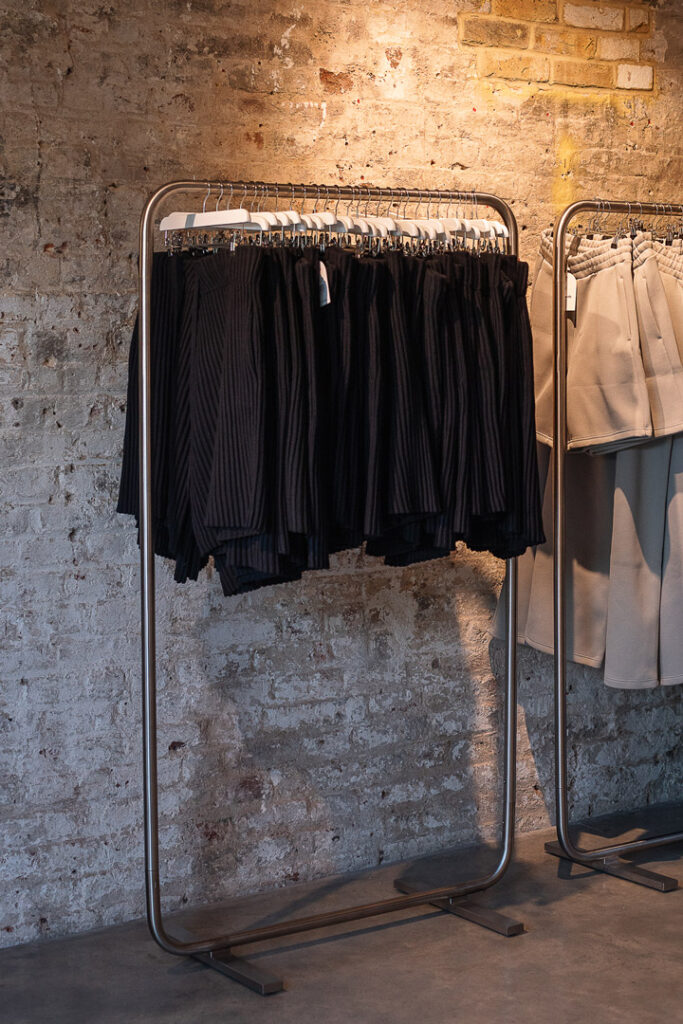
Display furniture directly influences how guests read value, pace their browsing, and decide what to engage with.
Whether the objective is retail conversion, sampling, or brand storytelling, experienced producers treat event furniture hire as part of the commercial journey, not a decorative layer applied at the end.
High-performing setups typically prioritise:
- Modular rails, shelving, and plinths that support multiple product narratives: Allowing edits, drops, and hero moments without reworking the entire layout.
- Varied heights that improve sightlines and reduce visual congestion: Helping guests understand the offer quickly and navigate the space intuitively.
- Clear, consistent surface language: Materials and finishes that signal quality and coherence, reinforcing brand value without distraction.
- Surfaces designed for fast resets: Enabling teams to refresh stock, rotate content, or adjust emphasis during the run of an event.
- Display density that’s intentional, not exhaustive: Showing enough to invite engagement while avoiding choice overload.
The most effective display environments make decisions feel effortless.
When furniture supports clarity, it supports sales.
Back-of-House as a Performance Multiplier
Behind-the-scenes planning rarely draws attention, yet it plays a critical role in how smoothly an event operates, particularly during busy or high-pressure moments.
Experienced teams increasingly treat event furniture hire for back-of-house as a strategic priority, ensuring:
- Hidden storage is sufficient, accessible, and logically placed: Allowing stock, collateral, and personal items to be managed without encroaching on public zones or disrupting flow.
- Prep and reset tables are positioned for speed, not convenience: Supporting fast restocks, styling changes, and programming transitions without drawing focus away from the experience.
- Staff zones are discreet but genuinely functional: Providing space for briefings, breaks, and handovers so teams remain calm, present, and effective throughout the event.
- Operational furniture supports peak moments, not just average flow: Designed to cope with launches, queues, resets, and surges without front-of-house feeling compromised.
When back-of-house is properly resourced, front-of-house remains composed — sightlines stay clear, service feels intentional, and the experience holds its premium quality even when demand is highest.
In practice, the most seamless events are often the ones where the best planning is never seen.
Where Experienced Producers Are Pushing Further
Furniture That Guides Movement, Not Just Aesthetics
Leading producers increasingly design layouts that guide behaviour intuitively.
Through considered event furniture hire, this might look like:
- Plinths positioned in gentle diagonals: Guiding foot traffic forward through a space rather than stopping it dead-on, encouraging flow while still creating hero moments.
- Shelving used to define soft thresholds: Acting as visual transitions between discovery, try-on, and purchase zones without closing the space off.
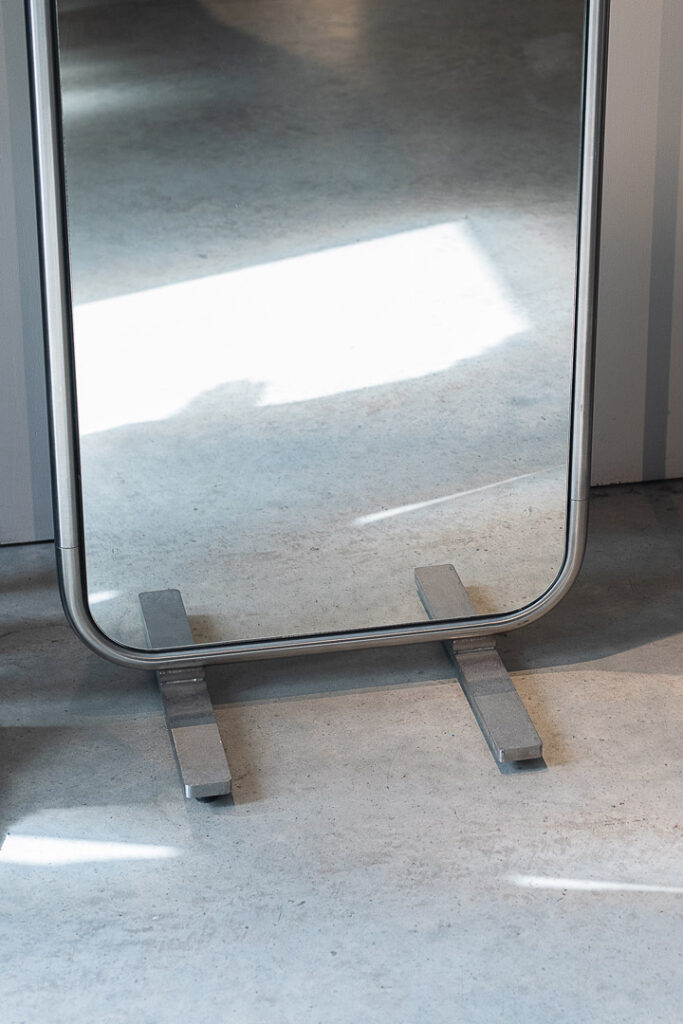
- Mirrors placed at turns, not just fitting areas: Encouraging self-recognition moments mid-journey, increasing dwell time and product interaction.
- Fitting rooms offset rather than centred: Preventing bottlenecks, keeping circulation open, and allowing queues to feel incidental rather than dominant.
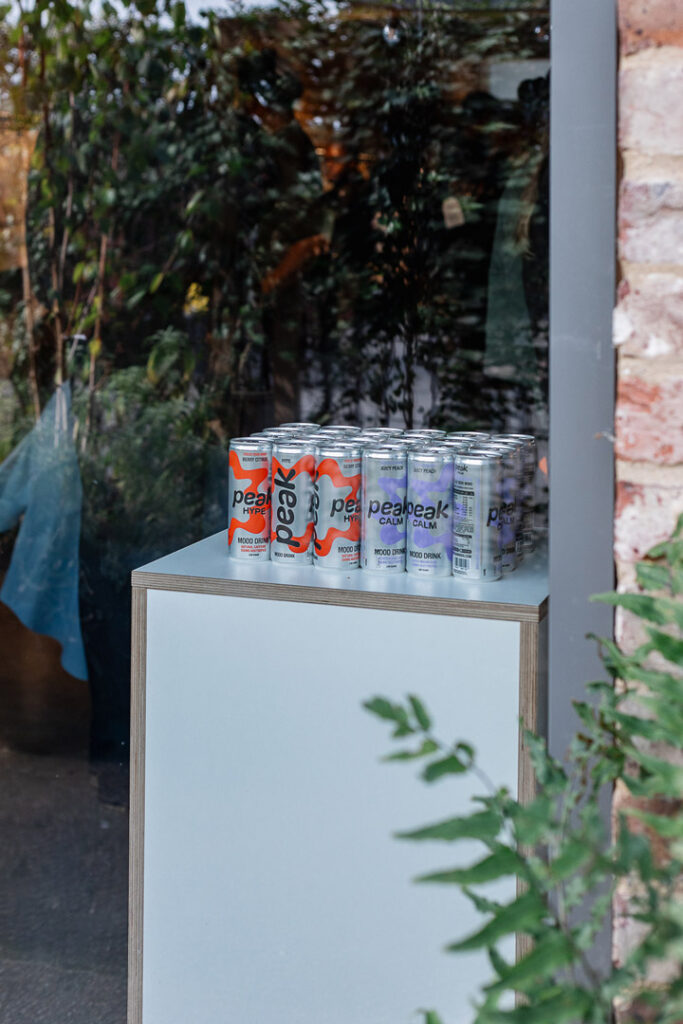
- Display cases used as spatial anchors: Drawing guests deeper into the footprint while clearly signalling value and scarcity.
These choices reduce the need for signage and intervention, making experiences feel more natural and self-directed.
Modular Furniture Over Bespoke Builds
While custom builds still have a role, experienced teams are increasingly choosing modular event furniture hire that delivers consistency, flexibility, and operational control — without sacrificing design quality.
The appeal is strategic:
- Built to work across formats, not single moments: The same plinths, rails, shelving and cash desks support retail, workshops, press moments, and content capture without needing rebuilds.
- Re-zoned and re-oriented, not re-made: Spaces can be reset quickly through furniture placement and layout shifts, enabling different uses within tight install, live, and de-rig windows.
- Consistent design language across locations: Modular kits allow brands to scale activations across cities and venues while maintaining visual coherence and production efficiency.
- Faster installs, fewer dependencies: Reducing reliance on custom fabrication lowers risk, simplifies logistics, and keeps timelines predictable, especially for short-format events.
- A more sustainable, future-facing choice: Reusable systems minimise waste and avoid single-use scenic builds, signalling operational maturity without needing to over-communicate it.
In 2026, distinctiveness isn’t defined by how bespoke furniture looks.
It’s defined by how intelligently modular systems are deployed to support flow, clarity, and performance.
Sustainable by Design
Sustainability has moved from statement to standard. It’s embedded in how well-run events are planned and delivered.
In practice, this shows up through:
- Reusable furniture systems that replace single-use scenic builds: Reducing waste without compromising on design or experience.
- Furniture designed for repeat use across formats and locations: Supporting consistency while lowering material and production impact.
- Efficient logistics and leaner builds: Fewer bespoke elements mean less fabrication, transport, and disposal.
- Design decisions that prioritise longevity over novelty: Materials and finishes chosen to hold up across multiple events, not just one moment.
When sustainability is built into event furniture hire, it doesn’t need explanation. It simply becomes part of how the event is planned, operated, and perceived.
Calm as a Design Advantage
In a growing experiential landscape, restraint has become a marker of confidence. Rather than competing for attention, producers are designing environments that feel intentional and easy to navigate.
This shift shows up in decisions such as:
- Use of negative space as a navigational tool: Clear sightlines and breathing room help guests understand where to go, where to pause, and where to engage, without instruction.
- Neutral, tactile materials that hold up under pressure: Finishes that age well across multiple uses and lighting conditions maintain a premium feel throughout the event, even at peak footfall.
- Layouts that prioritise experience over display density: Furniture supports interaction, conversation, and flow rather than overwhelming the space with product or structure.
- Calm front-of-house enabled by considered back-of-house planning: When storage, prep, and staff zones are properly resolved, the public-facing environment remains composed and consistent.
Well-executed calm doesn’t feel empty or minimal. It feels deliberate, confident, and commercially clear, allowing the experience, not the furniture, to lead.
Event furniture hire that supports calm environments often elevates brand perception more effectively than overt spectacle.
Furniture as Strategy, Not Procurement
The strongest events heading into 2026 share a clear shift in mindset:
- Plinths, rails, and display cases are selected for behaviour, not volume: Each piece earns its footprint by directing attention, slowing movement, or signalling value — not simply filling space.
- Shelving, mirrors, and fitting rooms are deployed as spatial tools: Used to create soft zoning, manage dwell time, and guide guests through discovery, try-on, and decision-making without barriers.
- Layouts are designed to flex across time, not just square footage: The same furniture supports launch moments, peak footfall, quieter trading hours, and programmed events through reorientation, not replacement.
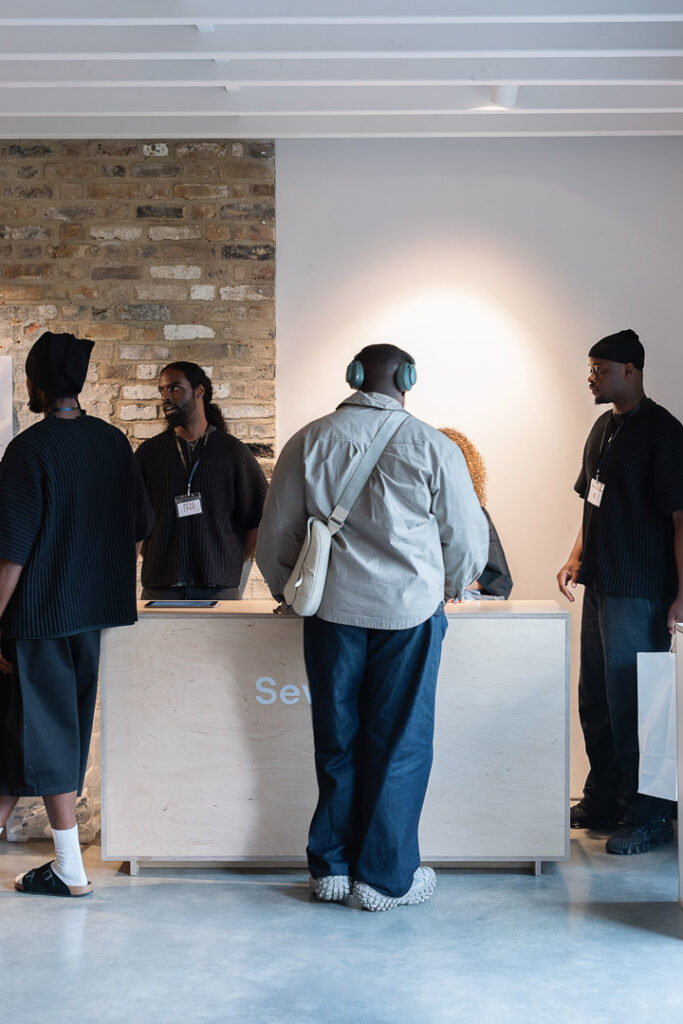
- Cash desks are positioned as part of flow, not the finale: Angled and integrated to reduce friction, maintain energy, and keep circulation moving post-purchase.
- Furniture supports people, programming, and commercial outcomes simultaneously: Seating enables conversation without loitering, rails adapt to live styling or drops, and plinths transition from product display to storytelling anchors.
At this level, event furniture hire stops being a last-minute line item.
It becomes a strategic input into movement, dwell time, conversion, and repeat attendance and ultimately, how an event performs.
Designed to Perform
Experience has already taught producers what doesn’t hold up under pressure. The opportunity now is to apply that learning with greater precision — using furniture not as decoration, but as infrastructure that supports flow, programming, and commercial intent.
When layouts are designed with clear purpose and every piece earns its footprint, even short-format events run calmer, convert better, and operate more smoothly. In a landscape where brands are investing with intent and expecting return, furniture that works harder isn’t a nice-to-have. It’s part of how high-performing events are deliberately built.
To design your activation, get a feel for FoundPop with our 3D Space Planner and when you’re ready to launch, pop us an email.