Photography by Katy Dillon
Food and drink pop-ups have moved well beyond the traditional temporary café or market stall.
In 2026, some of the most interesting F&B activations have been designed as destinations in their own right: part shop, part tasting experience, part brand world. Rather than simply selling food, they give people a reason to visit, discover something new and spend time in a physical space.
That shift has been visible across London, from rotating chef residencies and food trucks to highly curated concept stores. Coal Drops Yard itself continues to embrace the format, with its 2026 Yard Line Up bringing together independent culinary creatives, guest chefs and food businesses through a rotating seasonal programme.
The archive example: Rohm Store
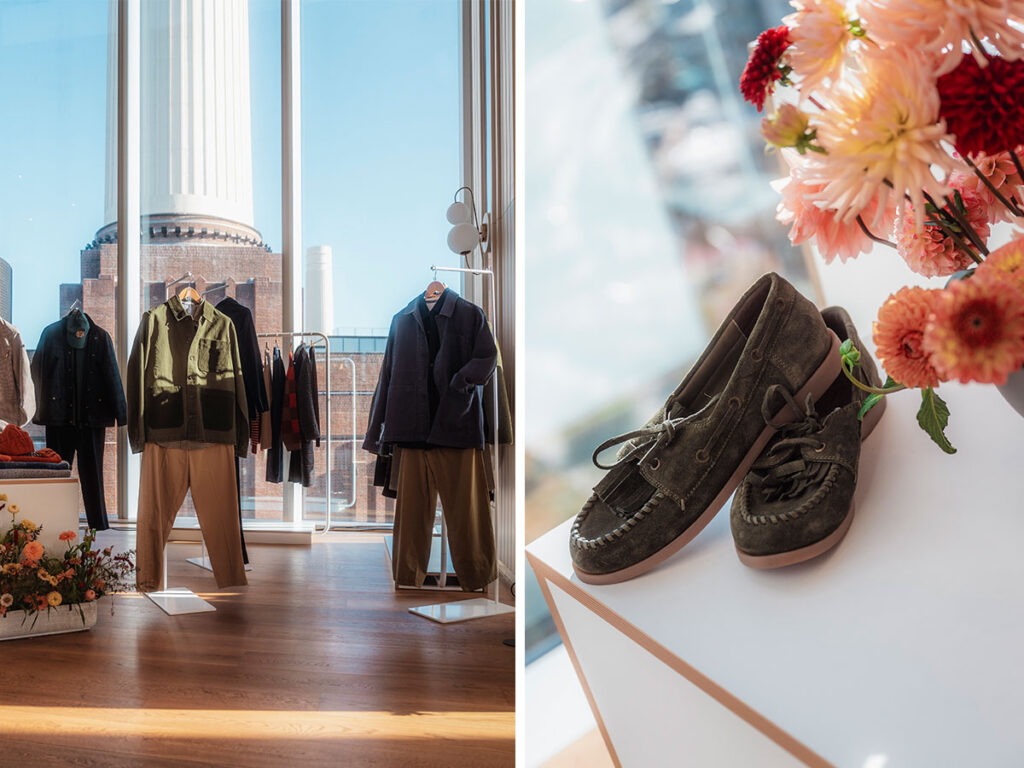
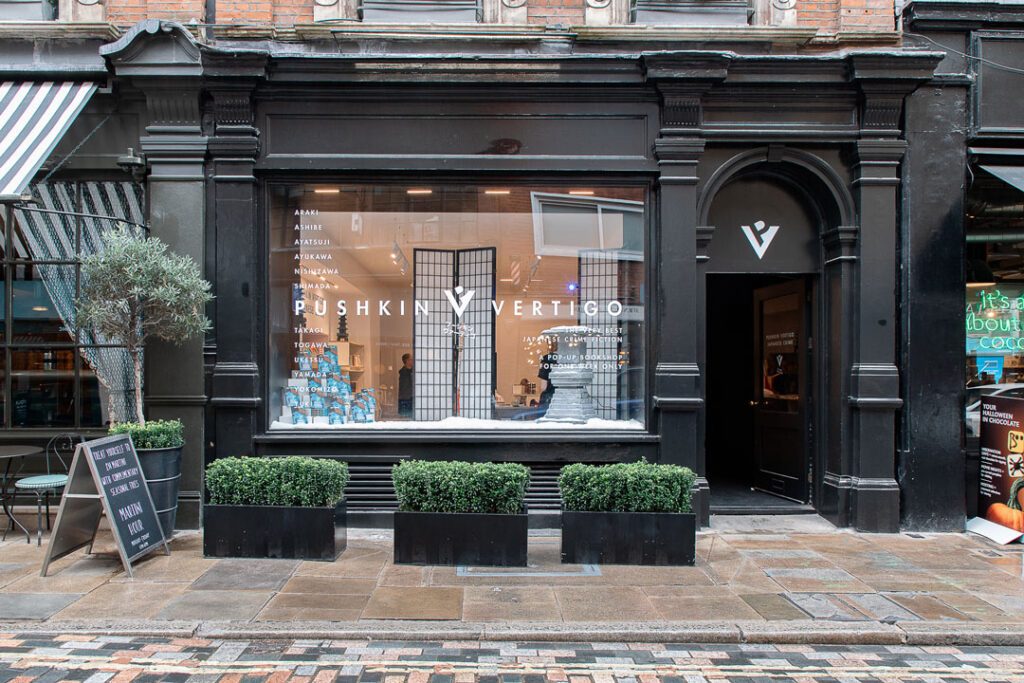
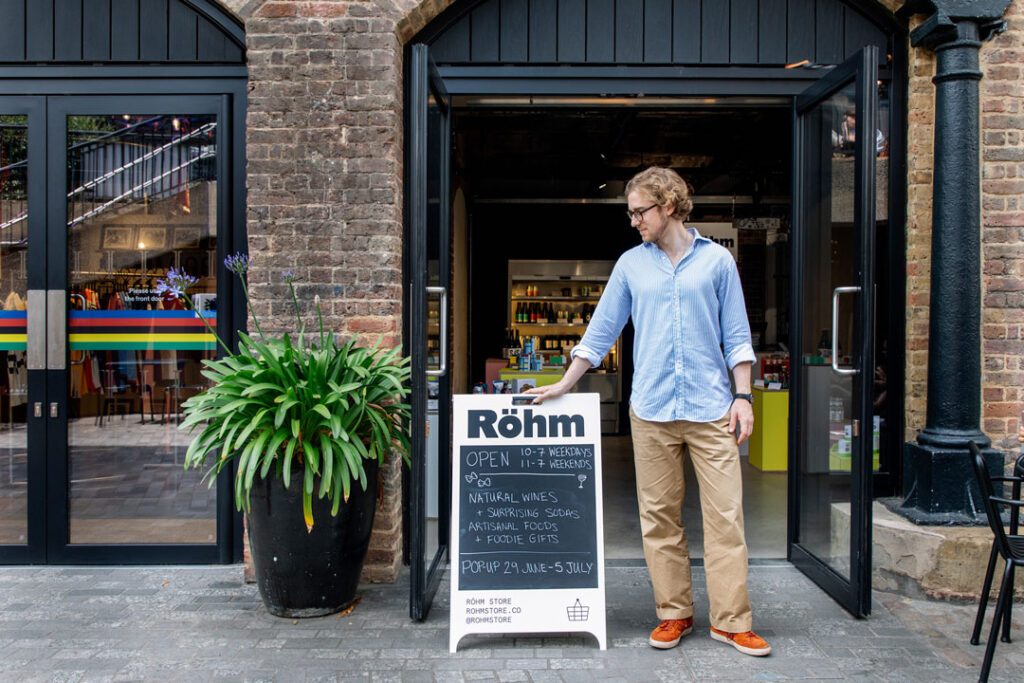
In 2022, Rohm Store opened its first London pop-up at Coal Drops Yard, creating a temporary concept store dedicated to food, drinks and design.
The concept was founded around a simple idea: bringing together exceptional food and drink producers with a strong appreciation for design. Rohm describes its stores as an experiential destination where food and design lovers can discover new products and connect with producers, with each pop-up exploring a different London neighbourhood.
The Coal Drops Yard activation was the first of those neighbourhood pop-ups, showcasing artisanal foods, drinks and accessories from independent producers. Rohm positioned the space as somewhere to discover rather than simply somewhere to shop, making the physical environment an important part of the proposition.
For FoundPop, it was also a great example of how event furniture hire can support a highly considered retail environment.
Designing the display around the product
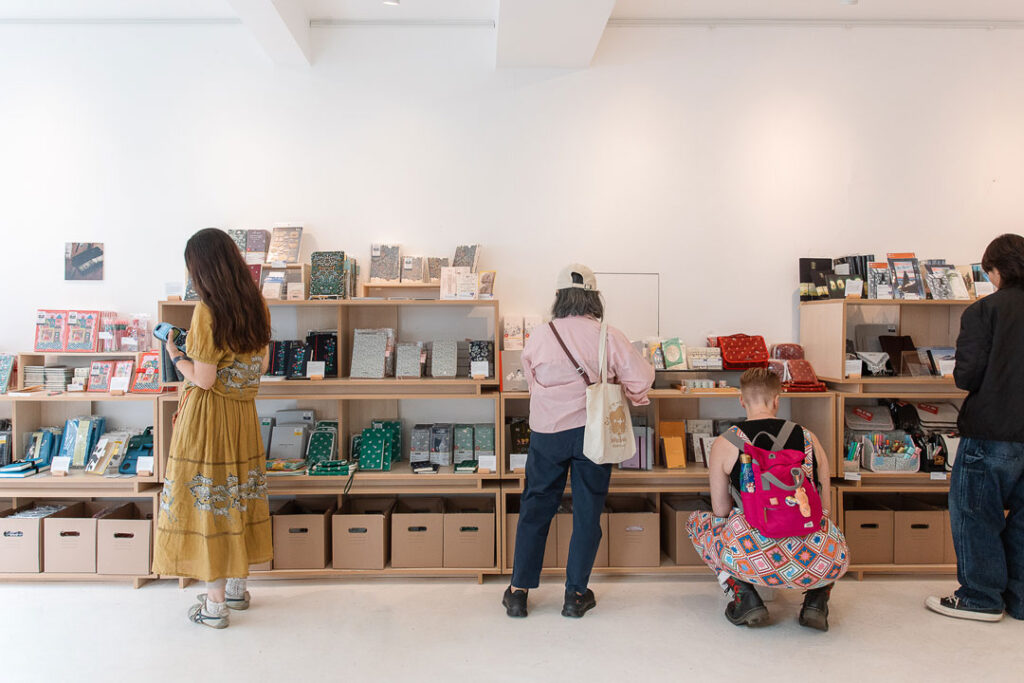
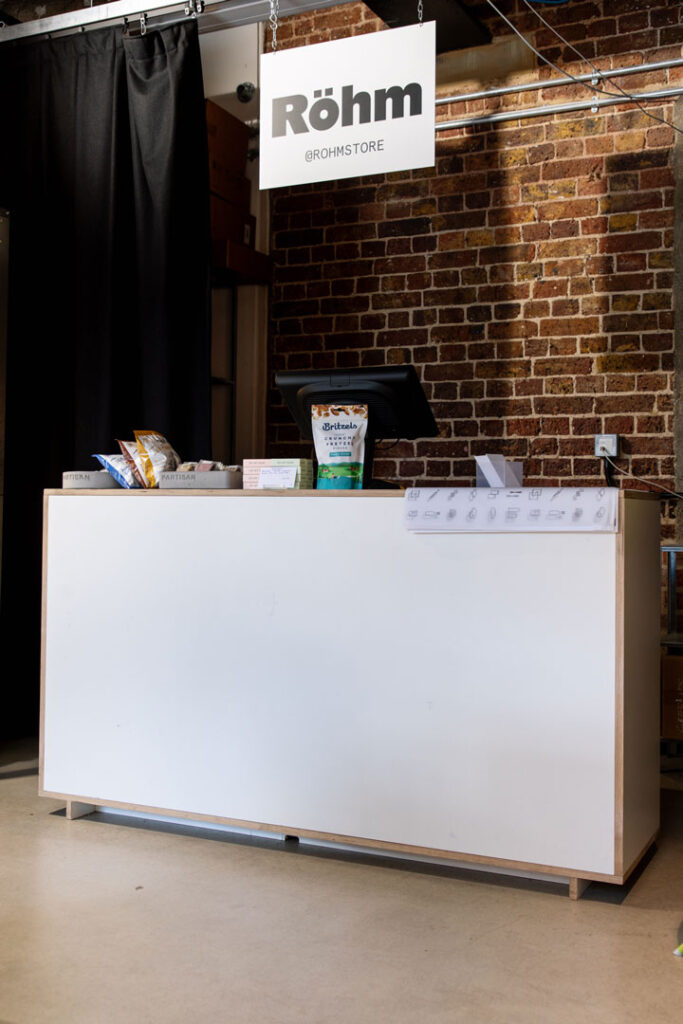
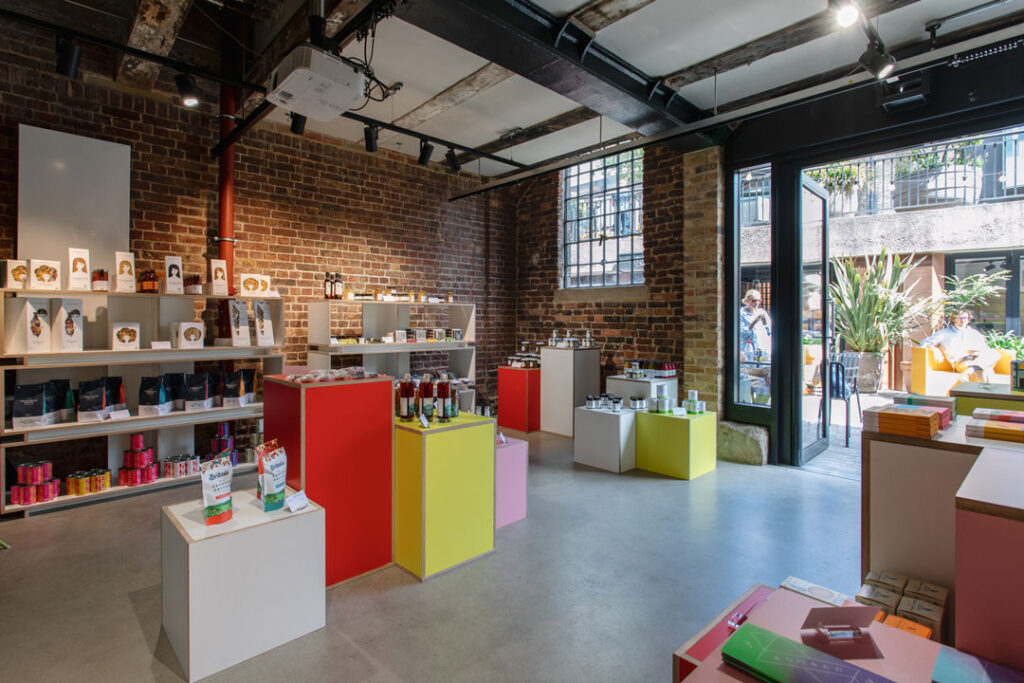
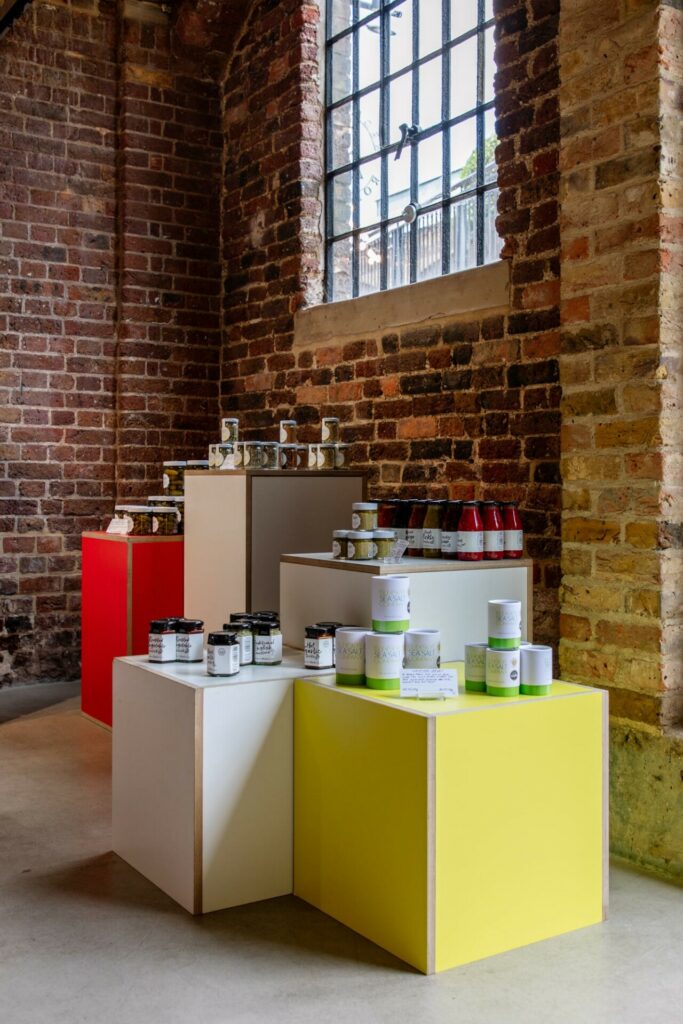
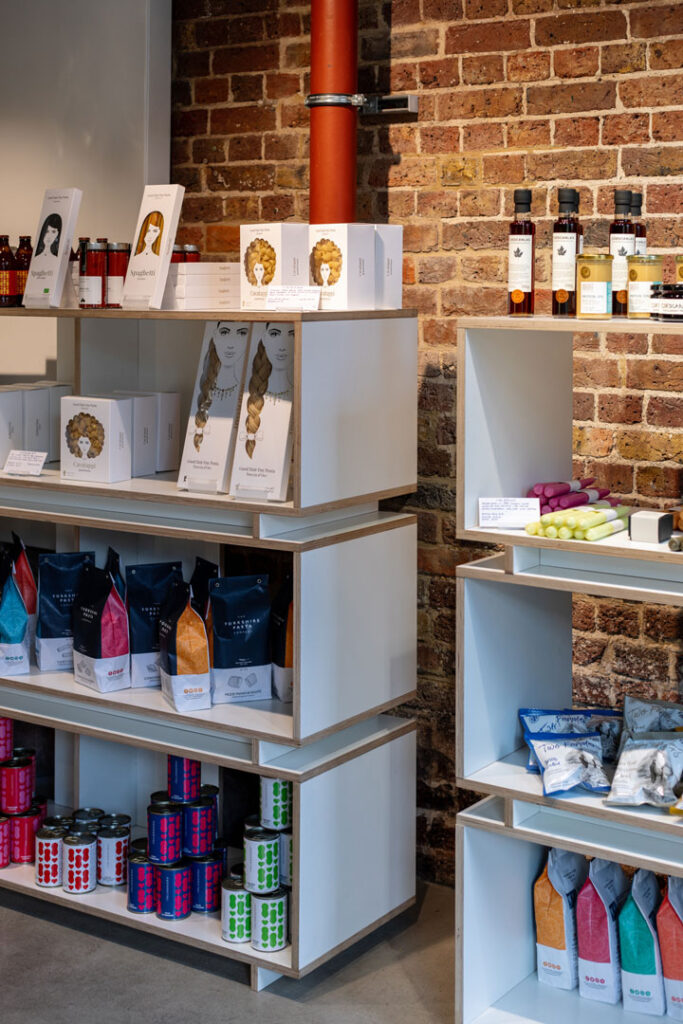
For its Coal Drops Yard pop-up, Rohm rented a white cash desk alongside small, medium and large plinths, creating different levels for product display throughout the space.
The plinths were finished using FoundPop’s vinyl add-on service, allowing the furniture to become part of the visual identity rather than simply functioning as display equipment.
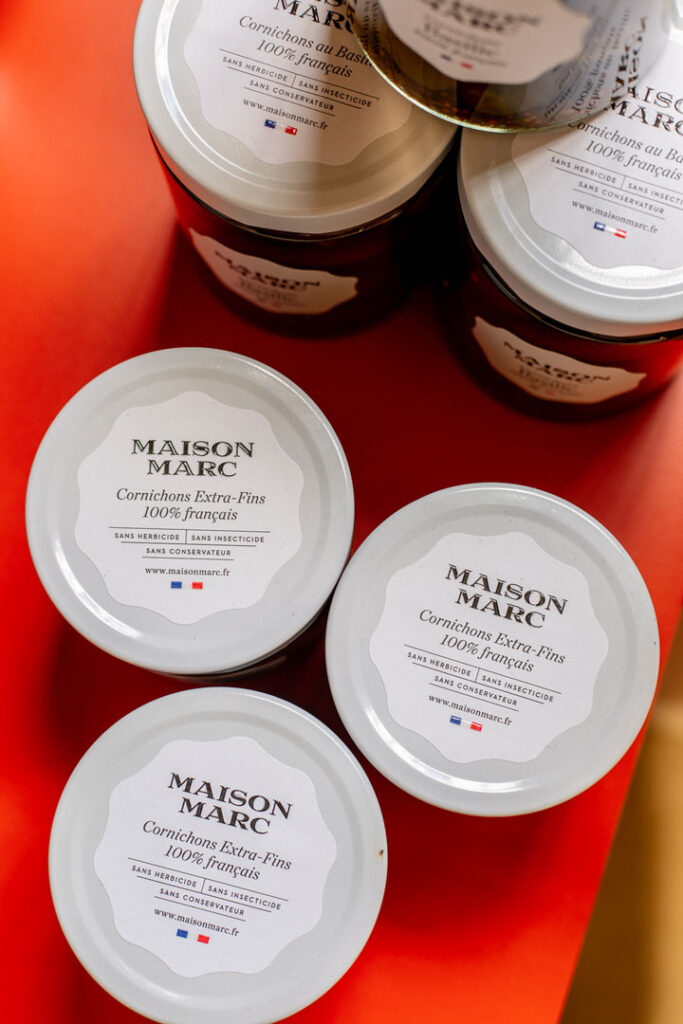
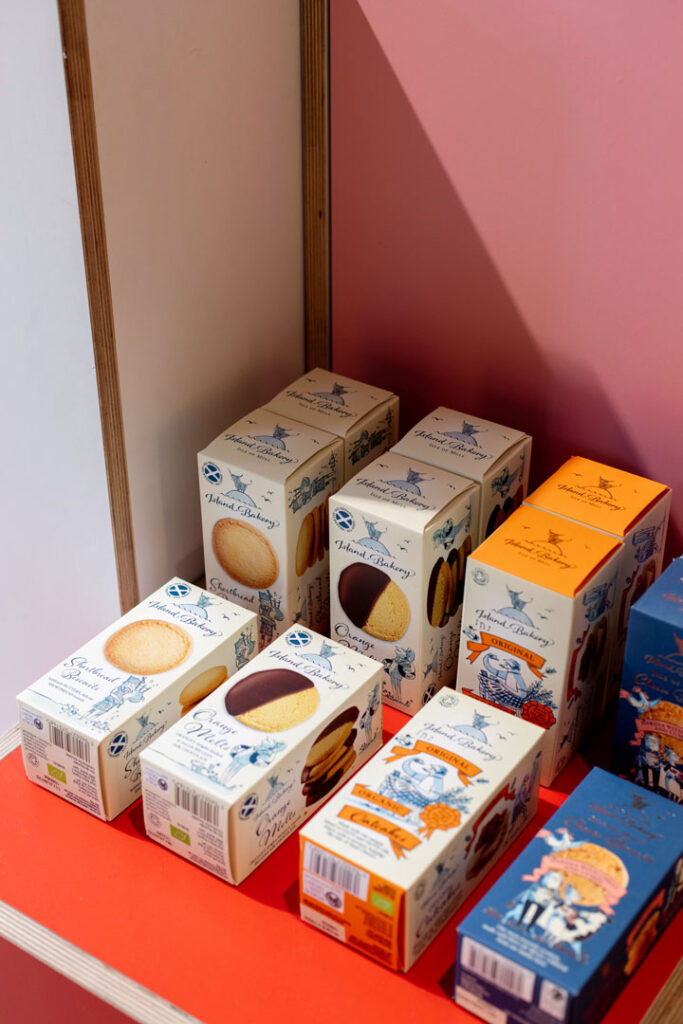
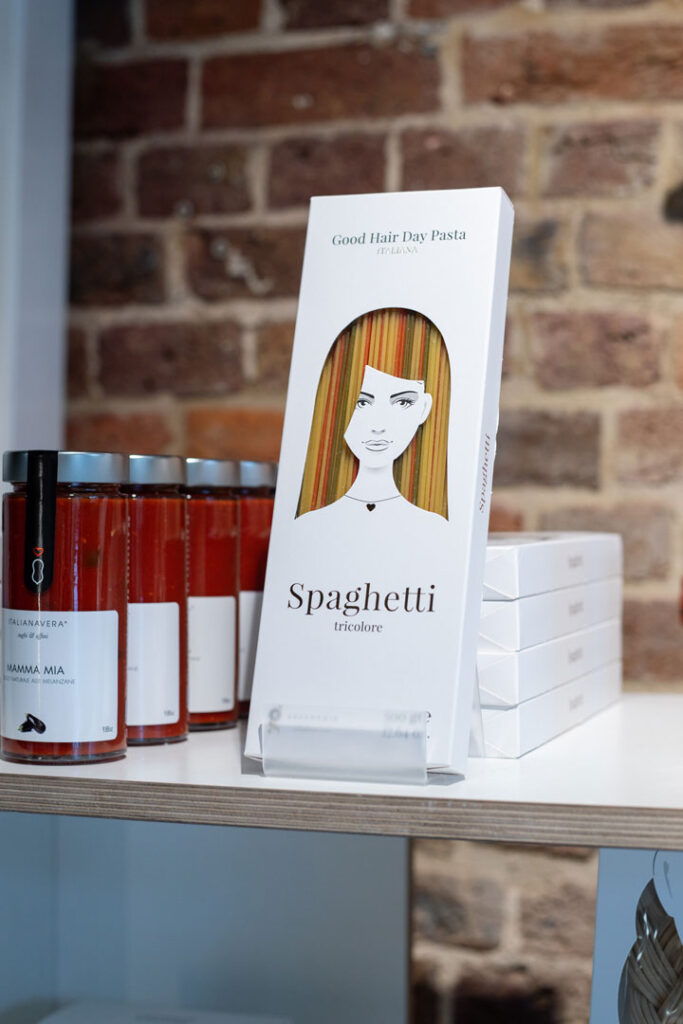
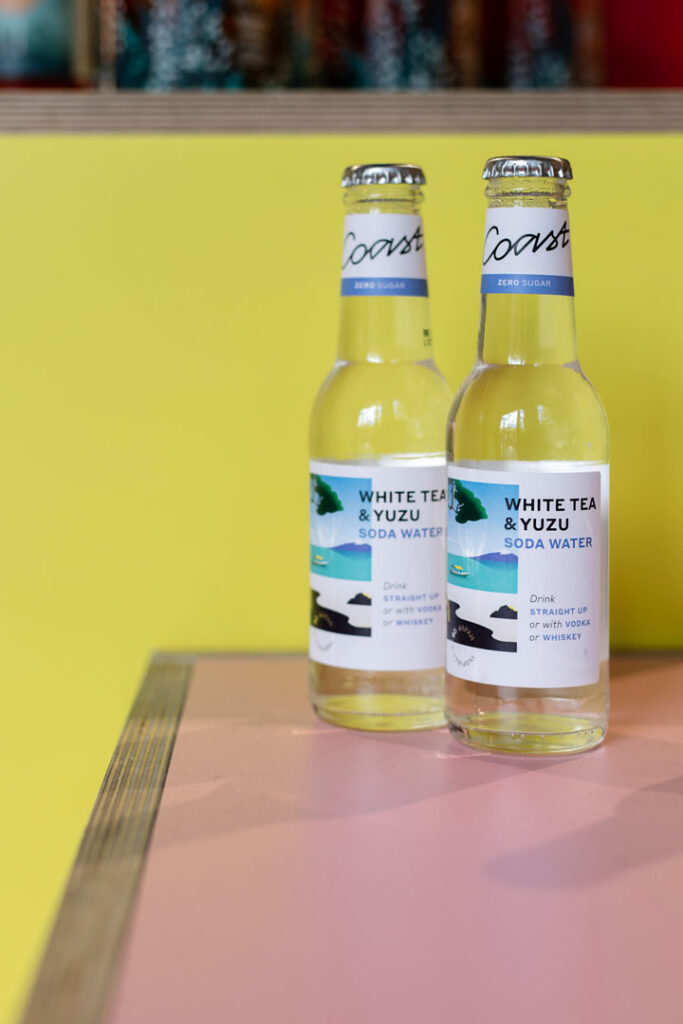
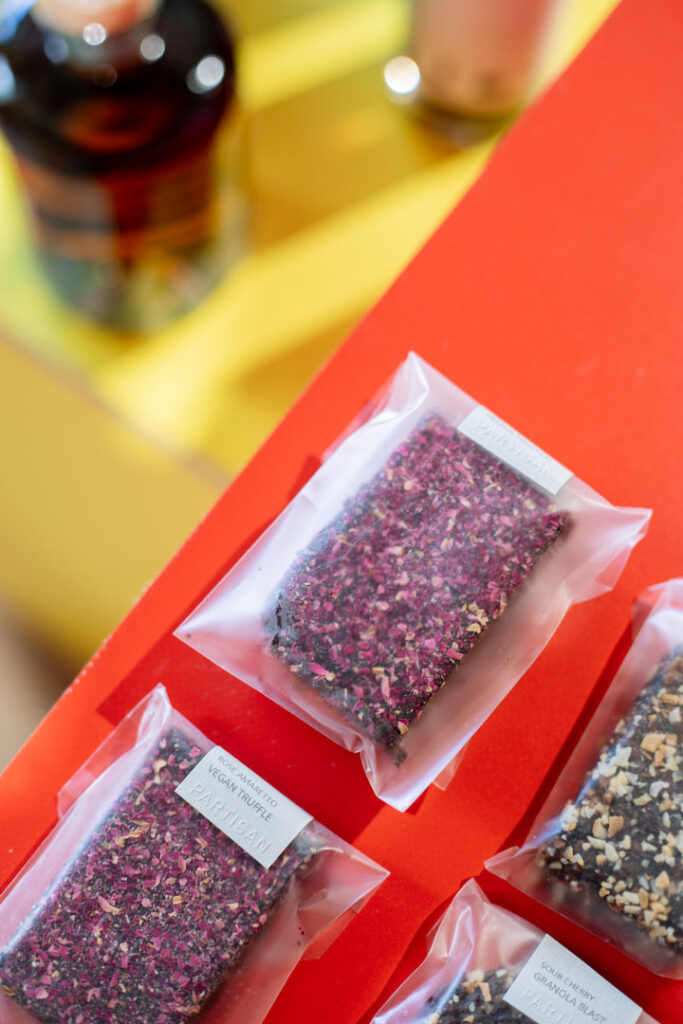
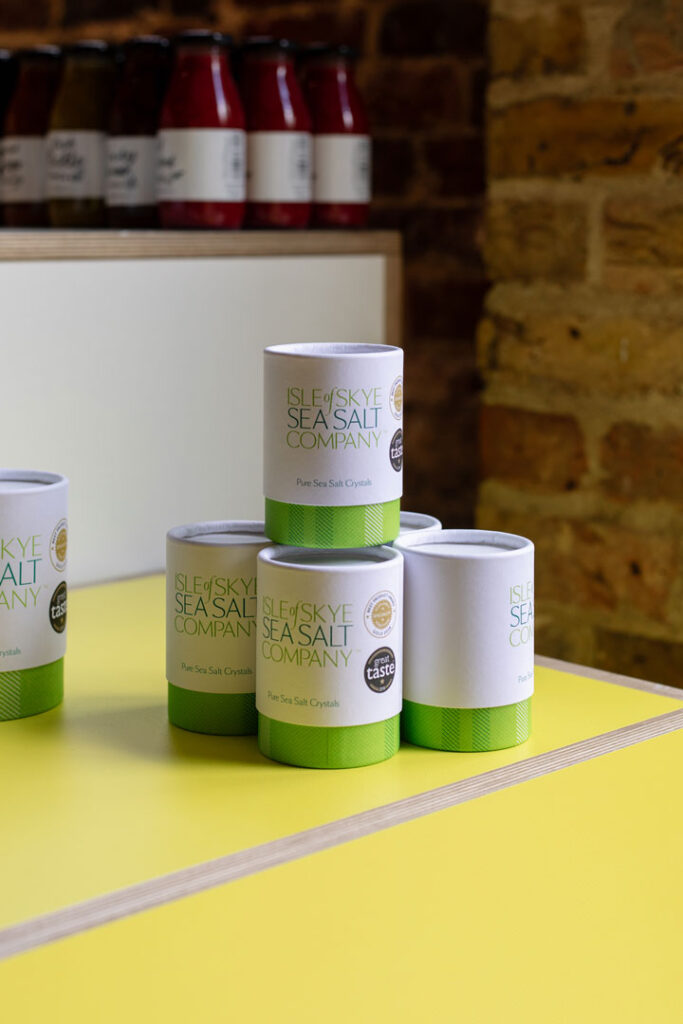
That detail is particularly relevant to the way F&B pop-ups have developed since. When the product itself is highly visual, the environment needs to work just as hard. Packaging, ingredients, bottles, jars and food products become part of the experience, meaning display furniture needs to provide structure without competing with what is being showcased.

Why Rohm feels particularly relevant in 2026
Looking back, Rohm anticipated several of the trends now shaping food and beverage pop-ups.
01. Food becomes a retail experience
The strongest F&B activations increasingly blur the boundaries between hospitality and retail.
Rohm wasn’t simply operating a café or serving a menu. Its proposition was based around curation and discovery, bringing together products from different producers and giving visitors a reason to explore the collection.
That approach is increasingly relevant for brands looking to introduce a product, test a market or create a physical touchpoint without committing to a permanent store.
02. Independent producers become the attraction
Rohm’s focus on artisanal and innovative producers is another characteristic that feels particularly current.
Its proposition centres on finding producers doing something distinctive, whether through ingredients, sourcing, production methods, sustainability or design.
For a pop-up, this creates a natural source of storytelling. Instead of one brand communicating one message, a curated selection of products can create an entire world around a particular taste, aesthetic or point of view.
03. The space matters almost as much as the menu
The rise of experience-led F&B has made physical design increasingly important.
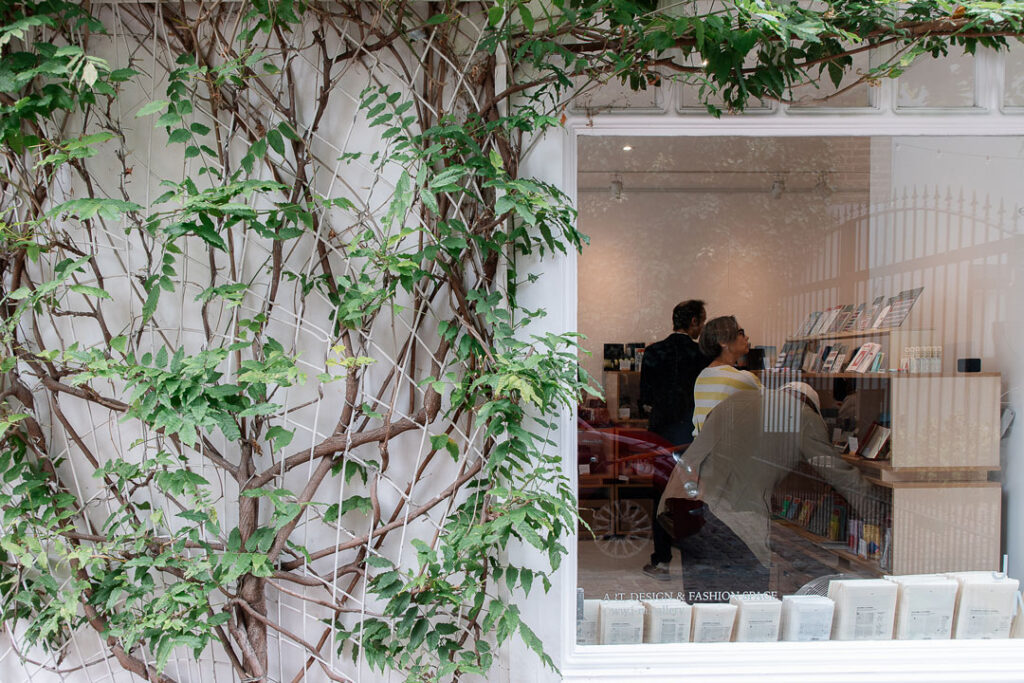
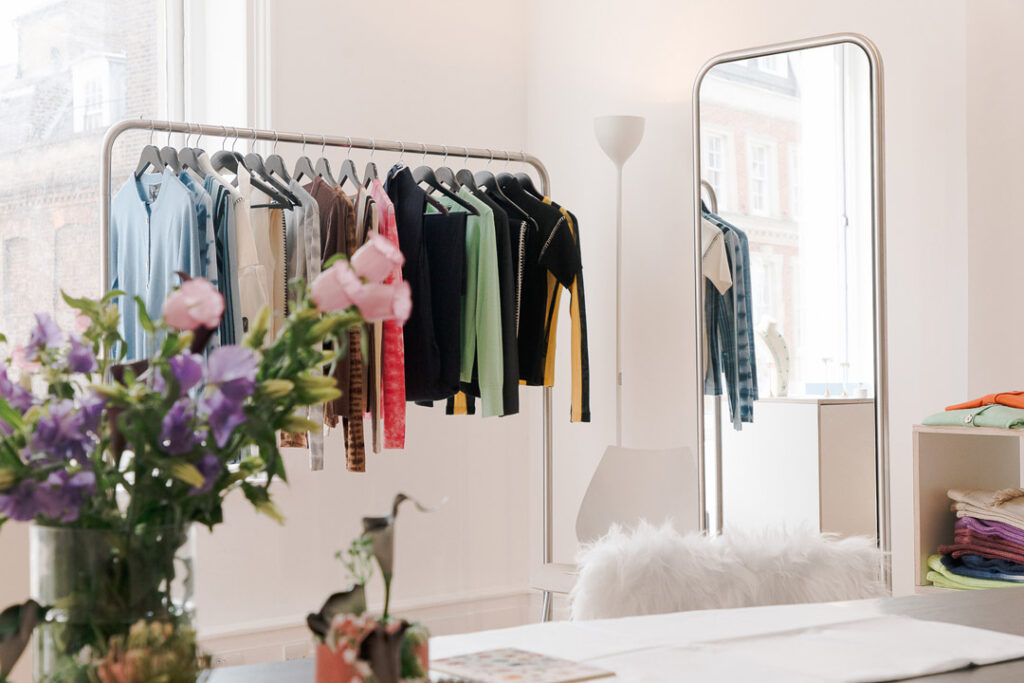
Rohm’s later Marylebone pop-up took this even further, with a bespoke space designed and furnished by architect and designer Bodo Neuss.
It demonstrates the value of treating a temporary F&B space like a retail environment: considering sightlines, product hierarchy, circulation and how the customer interacts with what is being displayed.
For a three-week activation, that doesn’t necessarily mean building everything from scratch. Modular rental furniture can provide the flexibility to create a considered environment while keeping the fit-out practical and reusable.
04. Pop-ups create a reason to explore a neighbourhood
There is also something particularly smart about Rohm’s neighbourhood-led model.
Rather than treating the pop-up as a single fixed destination, the brand developed a series of temporary locations across London. Its Coal Drops Yard opening was followed by the Marylebone pop-up, allowing the concept to evolve while introducing it to new audiences.
This is one of the reasons temporary F&B concepts remain attractive: they can create a sense of urgency while allowing brands to test different audiences, locations and formats.
The 2026 takeaway
The most successful F&B pop-ups are no longer just about what is being served.
They are about what people discover, how the space makes them feel, what they can photograph, who they meet and whether the experience gives them a reason to come back.
Rohm is a good example from the FoundPop archives because its approach brought together many of these ideas before they became increasingly common: curated products, independent producers, design-led interiors, temporary retail and a strong sense of place.
And as London’s F&B pop-up scene continues to evolve, that combination is proving difficult to ignore.
Crafting a food and beverage pop-up of your own?
From plinths and display furniture to cash desks and branded finishes, FoundPop’s rental collection is designed to help brands create considered temporary spaces without starting from scratch.
Get a feel for FoundPop with our 3D Space Planner and design your next IRL experience.