Inspired by Eventbrite’s 2026 Social Report Reset to Real
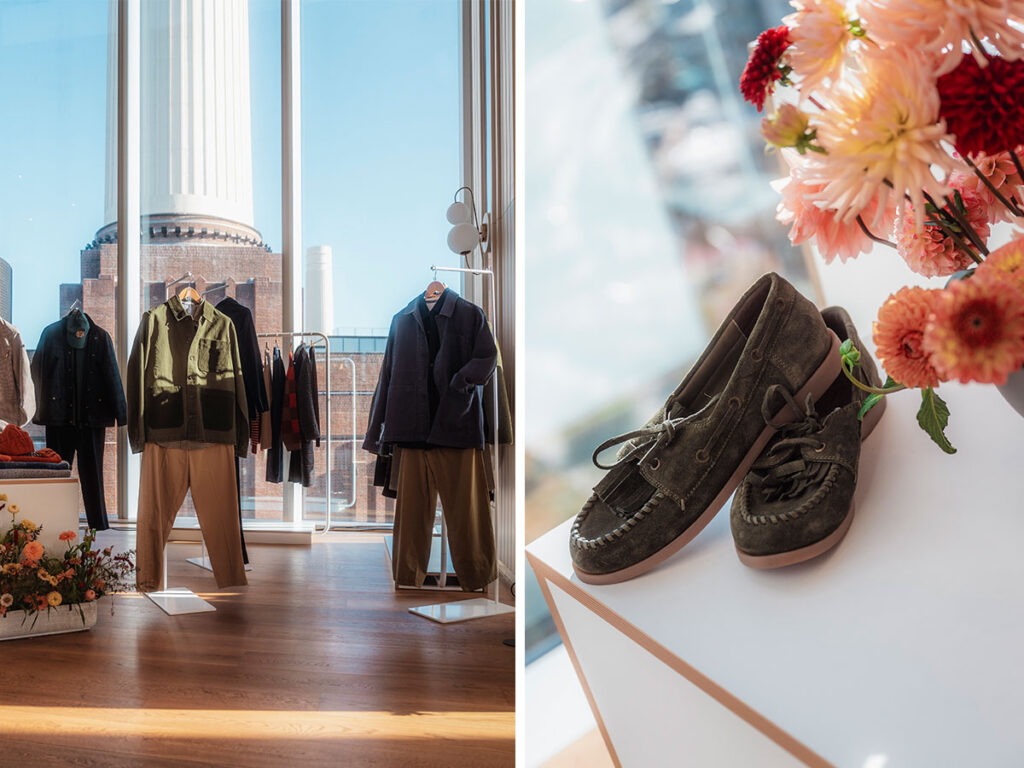
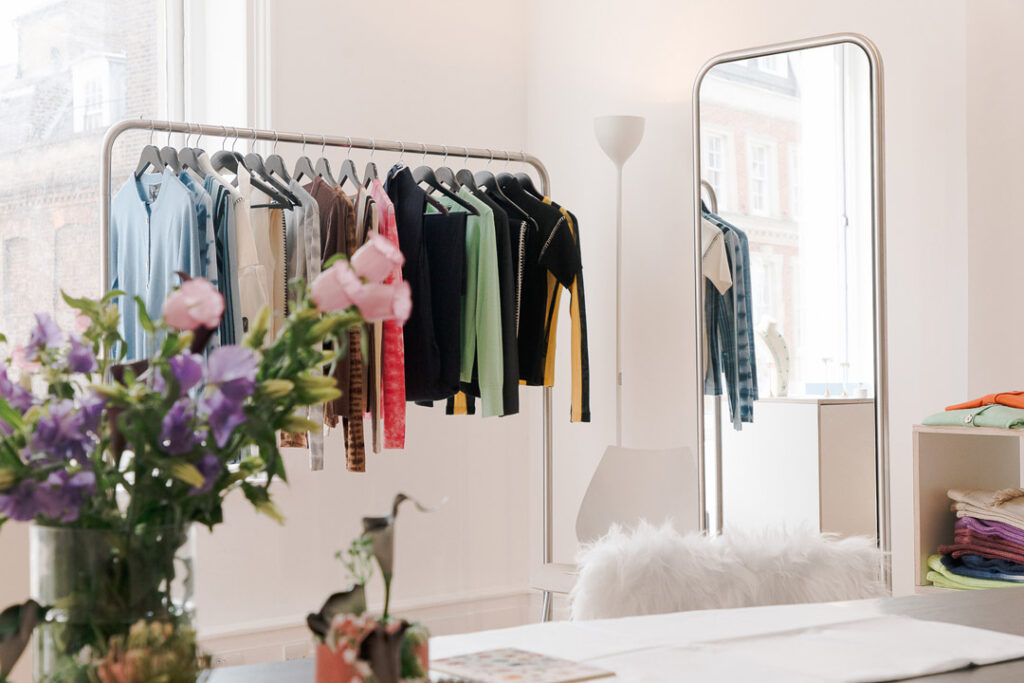
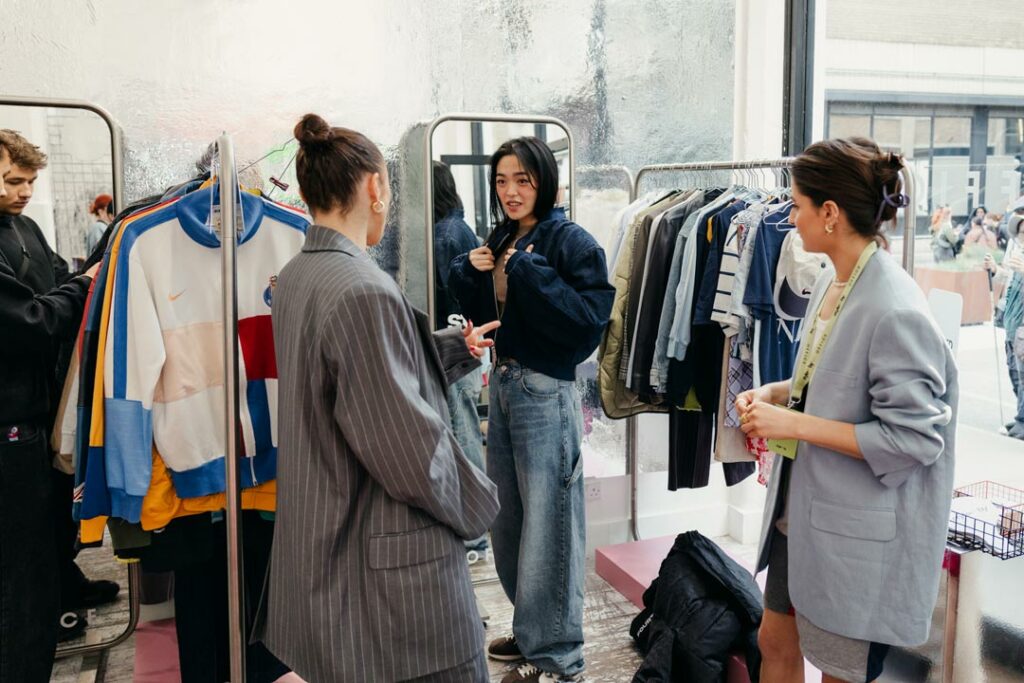
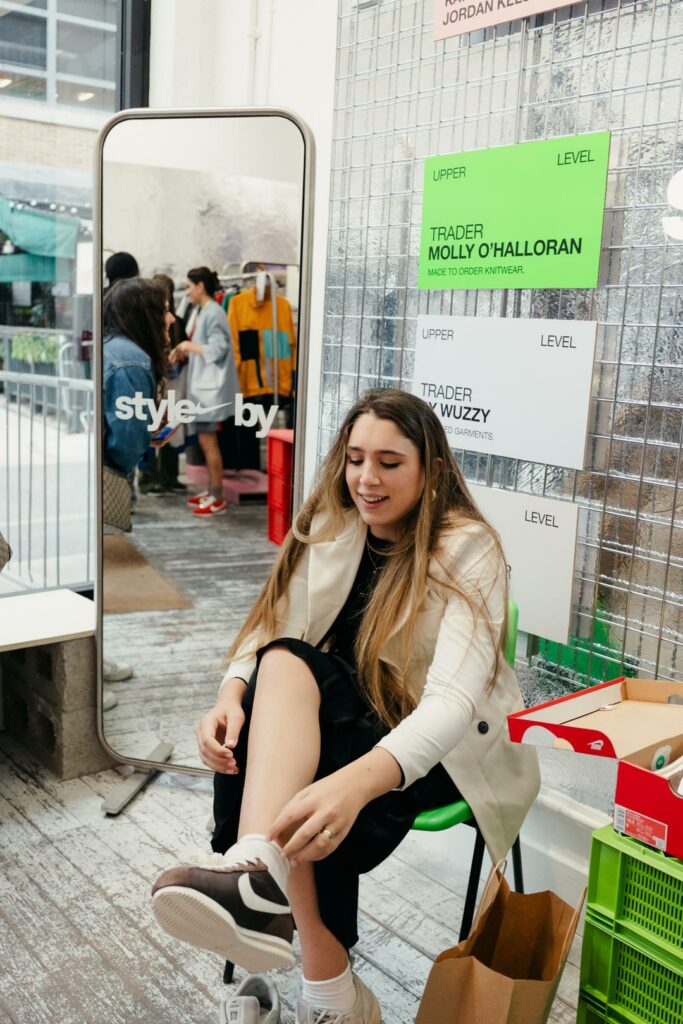
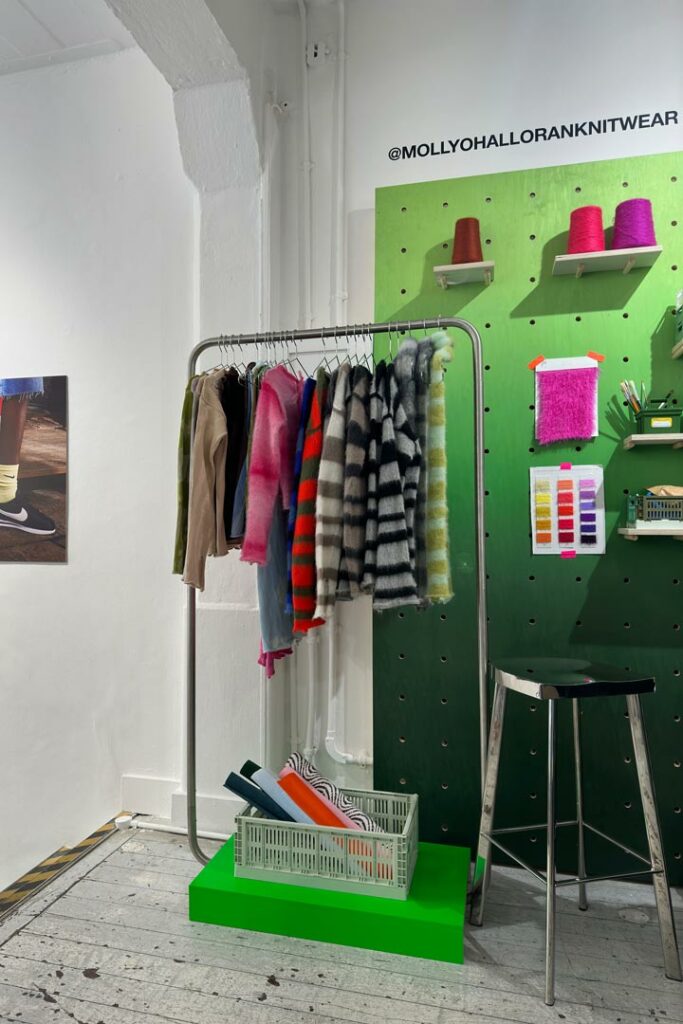
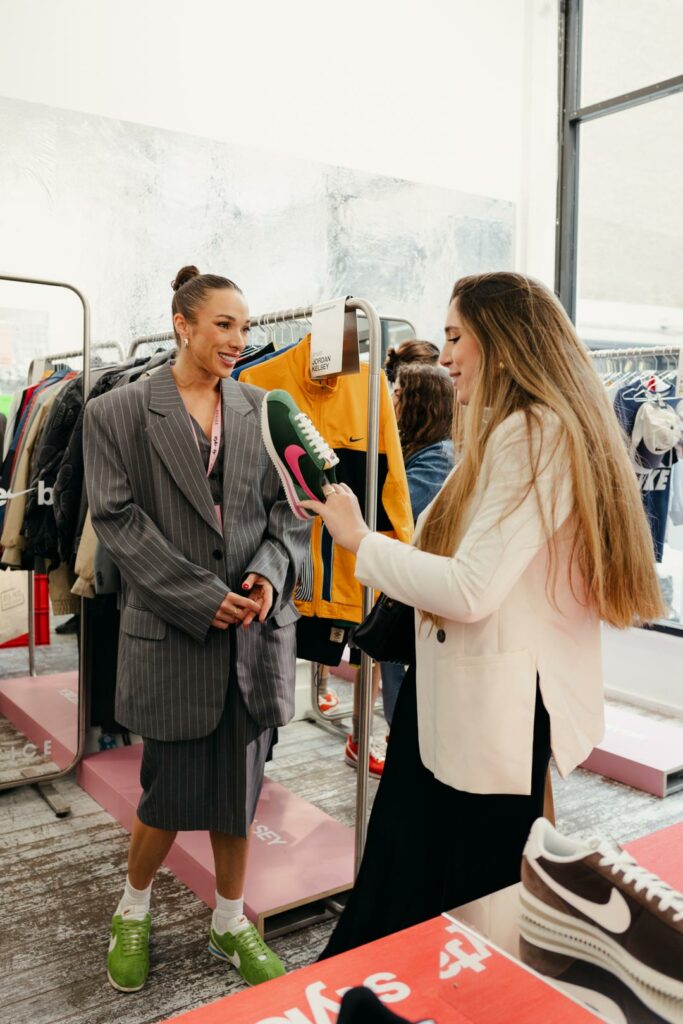
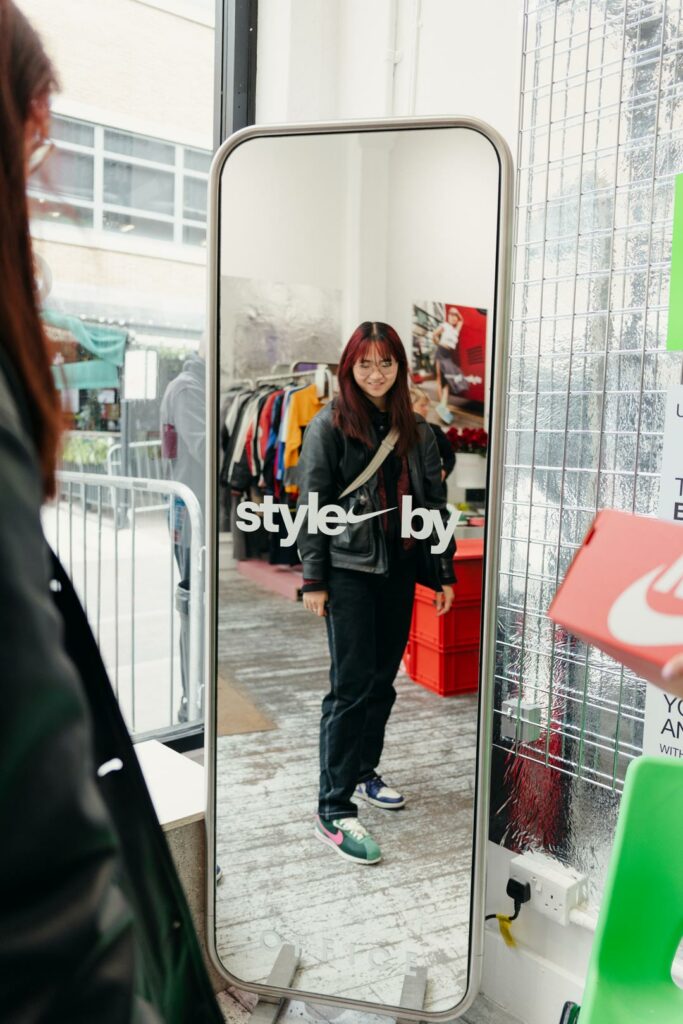
Featured photography of Nike x OFFICE by Heaps + Stacks
Something has shifted. Not loudly. Not all at once. But unmistakably.
After years of frictionless scrolling, scheduled joy, and events designed more for documentation than experience, people are re-learning how to be together, without an agenda, a filter, or a content plan.
Eventbrite’s newly released Social Study for 2026 points to a wider cultural correction already underway: a return to physical experiences that feel textured, unpredictable, and genuinely social. Less about being seen. More about being there.
This isn’t a rejection of technology. It’s fatigue with optimisation. And it’s reshaping what people show up for.
Presence Has Become the New Status Symbol
The most telling signal in the data isn’t what people are attending. It’s why.
Audiences are increasingly drawn to gatherings that interrupt routine rather than reinforce it. Not every moment needs to be smoothed, scheduled, or stylised. In fact, the appeal lies in the opposite: moments that feel unscripted and slightly out of control.
Events that allow for surprise, whether through unusual venues, evolving formats, or open-ended participation, are pulling people out of autopilot. The value isn’t in polish. It’s in immediacy.
In 2026, attention is the real currency. Experiences that earn it tend to feel lived-in, not produced.
The Shift Away From Social Performance
Another clear pattern is emerging. People still want to be around others, but without the pressure to perform socially.
Shared activities are replacing overt networking. People are choosing formats where conversation can happen naturally, or not at all. The experience comes first. Connection follows quietly, if at all.
This reframes what successful events look like. Loud icebreakers and forced mingling feel increasingly out of step with how people want to engage. Comfort, autonomy, and low-stakes interaction are now design priorities, not afterthoughts.
The social energy hasn’t disappeared. It’s softened.

From Audience to Contributor
There’s also a growing appetite for involvement over observation.
Across creative, cultural, and cause-led gatherings, participation is becoming the hook. People are more motivated when they can shape the experience rather than consume it passively, whether that means building, contributing, exchanging, or collaborating.
This marks a deeper emotional shift. Being part of something feels more grounding than watching something happen, especially in a landscape dominated by endless commentary. Real-world contribution carries weight.
In short, people want to leave having done something, not just attended.
Why Local Still Wins
As digital life becomes increasingly detached from geography, physical experiences are doing the opposite, reconnecting people to their immediate surroundings.
Neighbourhood-scale events are gaining traction not because they’re nostalgic, but because they’re legible. You recognise the faces. You understand the rhythm. You feel where you are.
Local gatherings offer something global platforms can’t: context. They turn abstract community into something tangible, a street, a venue, a recurring moment in time.
For many, that sense of place is becoming the reason to show up at all.
Identity Is Becoming Layered, Not Labelled
One of the most interesting evolutions is how communities are forming.
Instead of single-interest groups, people are gravitating toward hybrid spaces. Events that mix disciplines, cultures, or scenes in unexpected ways. These gatherings aren’t about fitting into a category. They’re about overlap.
Taste is becoming more specific, not broader. And specificity is how people find belonging.
The result is a new kind of cultural intimacy, built through shared curiosity rather than shared identity.

What the IRL Reset Really Signals
Taken together, these shifts point to something bigger than event trends.
They suggest a recalibration of value. A move away from experiences designed to scale, circulate, or convert, and toward those that resonate deeply with the people in the room.
In 2026, the most meaningful gatherings won’t try to appeal to everyone. They’ll prioritise presence over performance, participation over presentation, and feeling over format.
Real life isn’t making a comeback.
It’s being redesigned, slowly and intentionally, with the people in the room at the centre.
What This Means for Brands and Organisers
Designing for real life requires different choices.
If people are showing up for presence, participation, and place, then the spaces that host these moments need to work harder than ever. Not as backdrops, but as enablers of flow, comfort, and connection.
At FoundPop, we work with brands, agencies, and organisers to shape physical environments that feel lived-in, adaptable, and human. From neighbourhood-scale pop-ups to longer-term residencies, our furniture and spatial systems are designed to support events that invite people to stay, take part, and return.
If you’re planning an in-person experience in 2026 and want it to feel grounded, intentional, and genuinely engaging, we’d love to help you shape the space around it.
Get a feel for FoundPop with our 3D Space Planner and request a quote to design your next IRL experience.