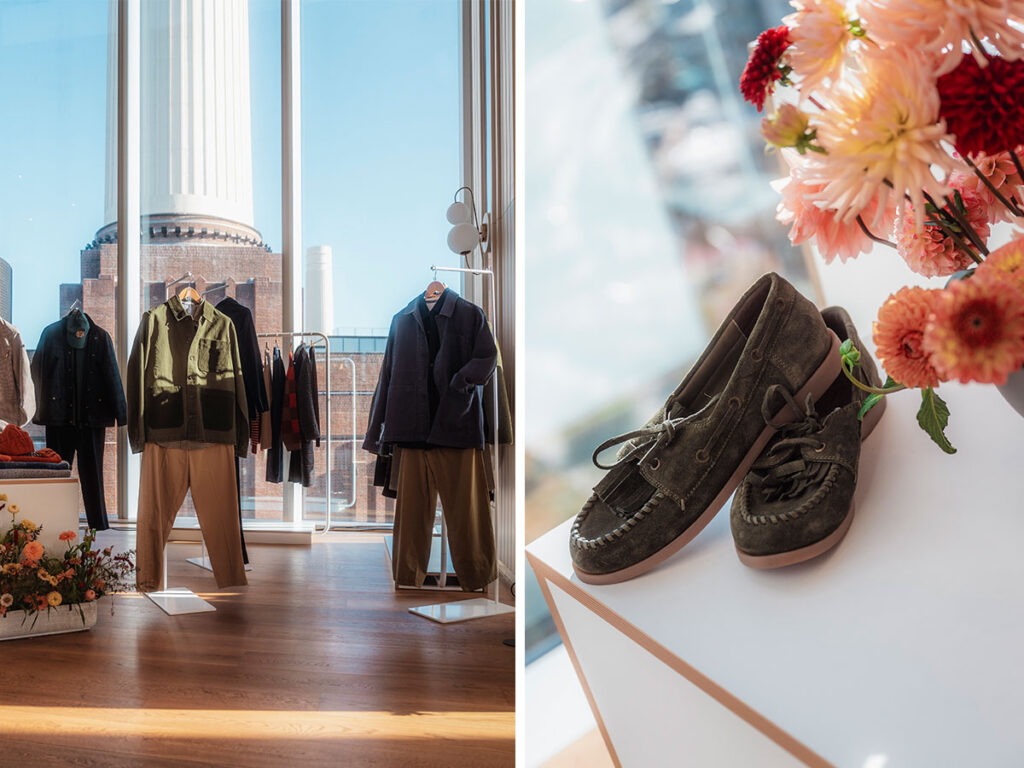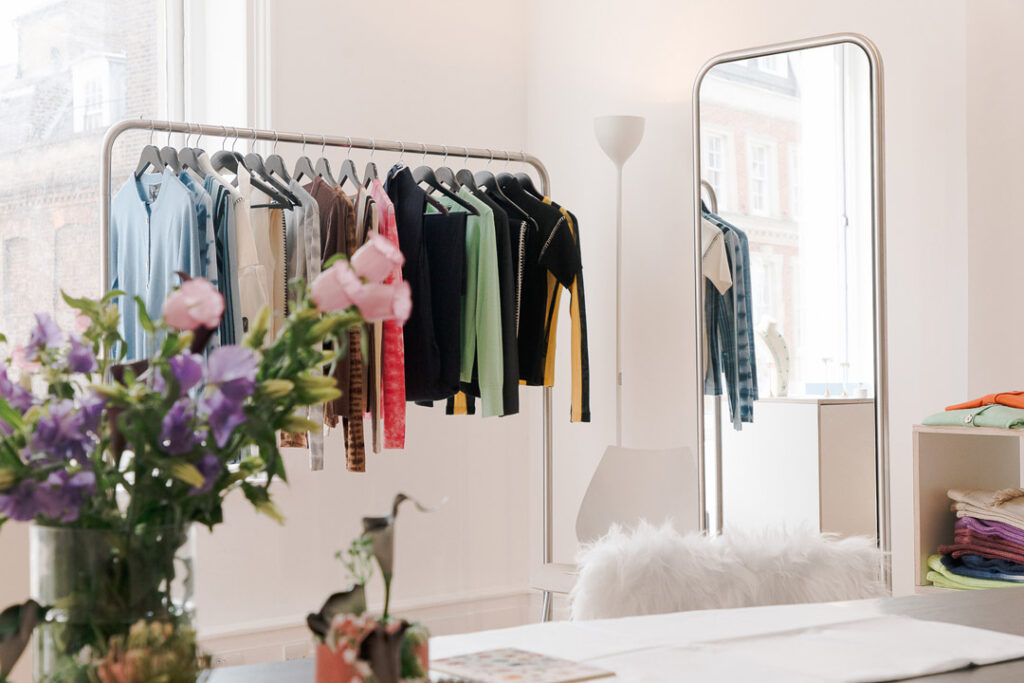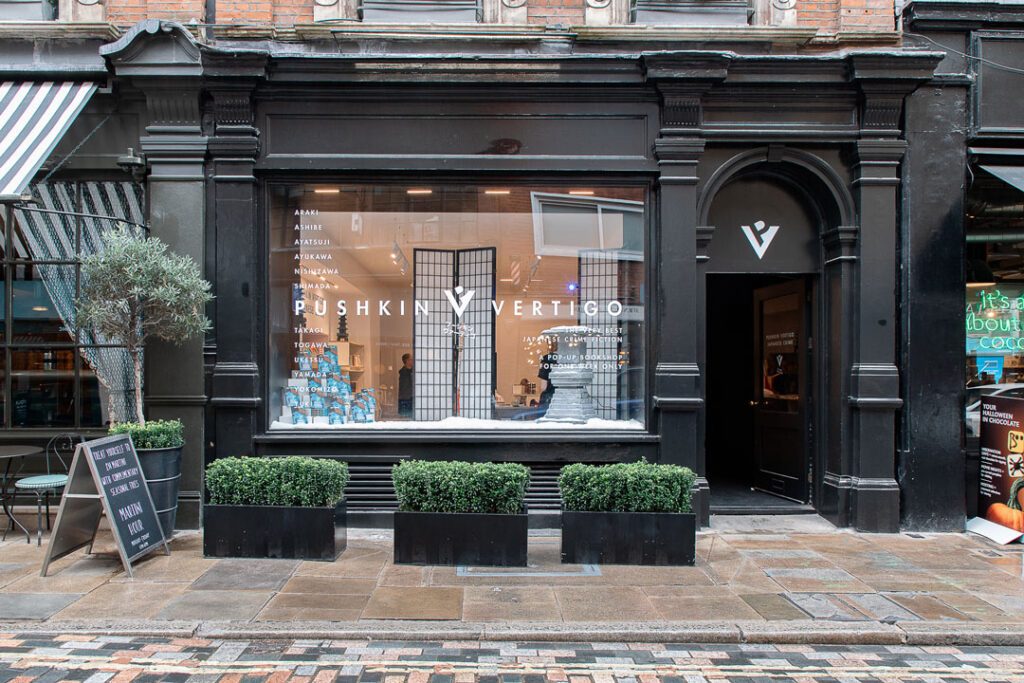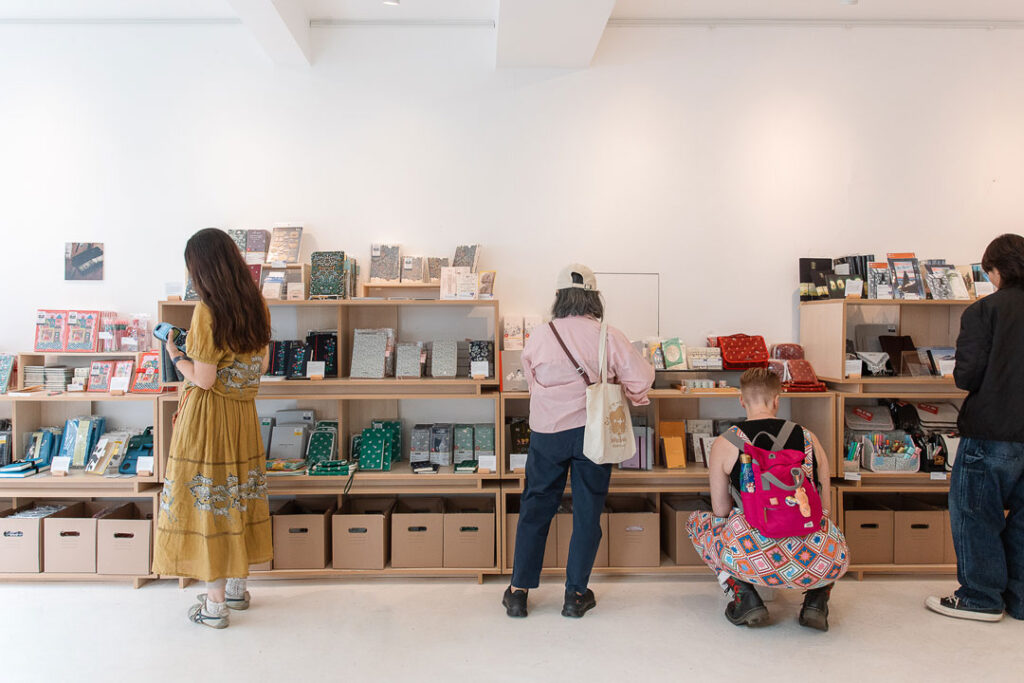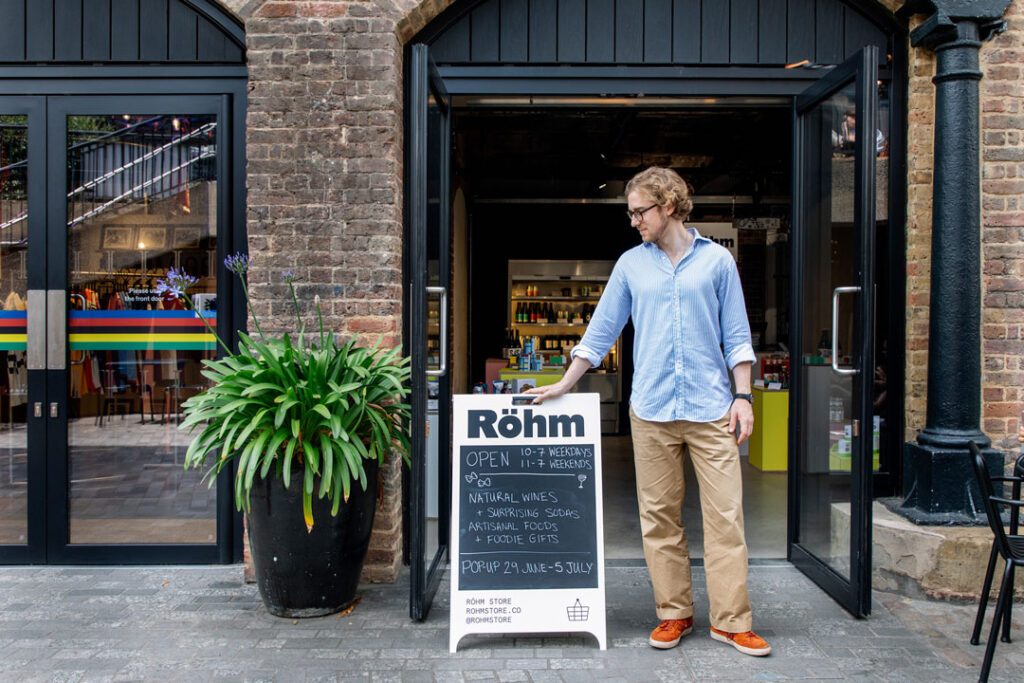
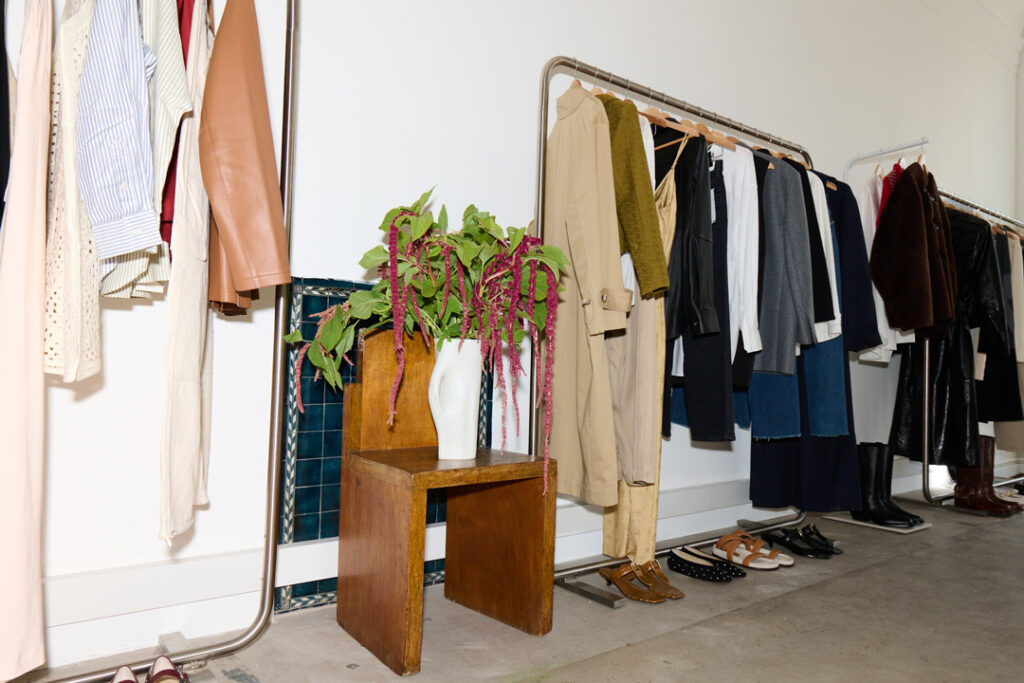
Featured photography from Bessette
The latest State of Fashion report by McKinsey makes one thing clear: the fashion industry has not settled into a new normal — it has entered a new reality. One defined by constant challenge, shifting consumer priorities, and the acceleration of tech-driven change. For brands, retailers, and the agencies supporting them, the question is no longer how to predict the future but how to build for adaptability.
And for those already embracing temporary retail, flexible formats, and design-led experiences, this moment is an opportunity.
Consumers Are Choosing Value — but Not the Old Definition
The report highlights a global shift: value-consciousness is rising across almost every market. But this isn’t a race to the bottom. “Value” now means:
- Quality over quantity
- Clear brand meaning
- Retail experiences that feel memorable, intentional, and worth the trip
- Spaces and activations that align with lifestyle, well-being, and purpose
This is where pop-ups, showrooms, and temporary retail environments shine. They allow brands to create high-impact, tactile moments without the long-term overhead of traditional retail. For many mid-market and contemporary brands, this balance of value and experience is becoming a competitive advantage.

Agility Becomes a Growth Strategy
Traditional growth levers such as scale, sourcing advantages, and wholesale expansion are no longer delivering reliably. Instead, the report points to a need for:
- Flexible supply chains
- Fast decision-making
- Creative experimentation
- Cost-efficient physical footprints
- Nimble brand activations that can respond to trend cycles in real time
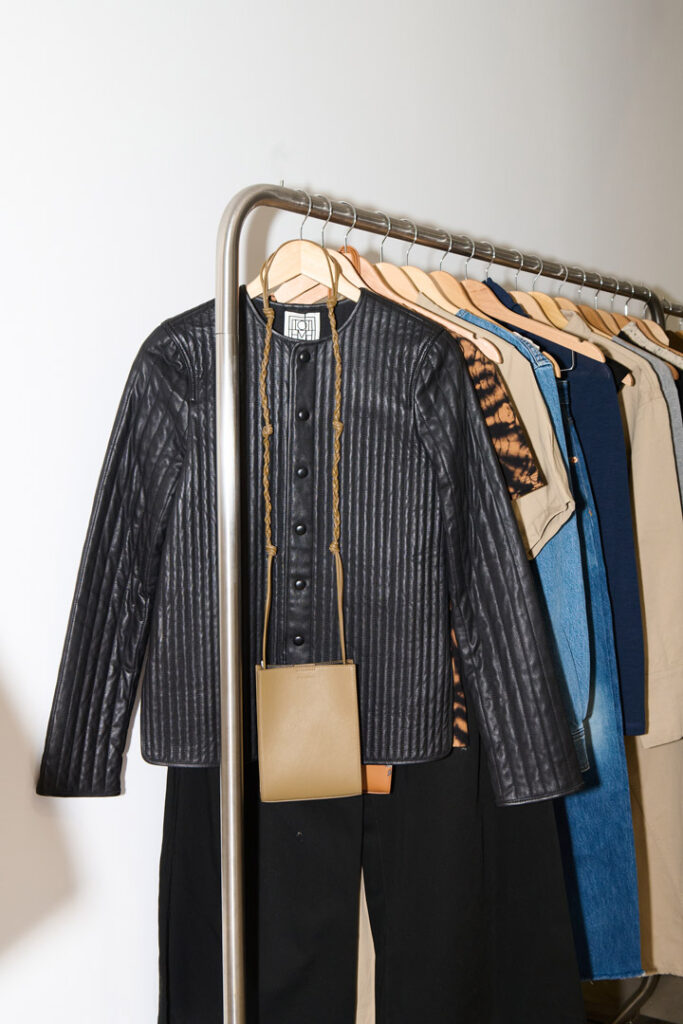
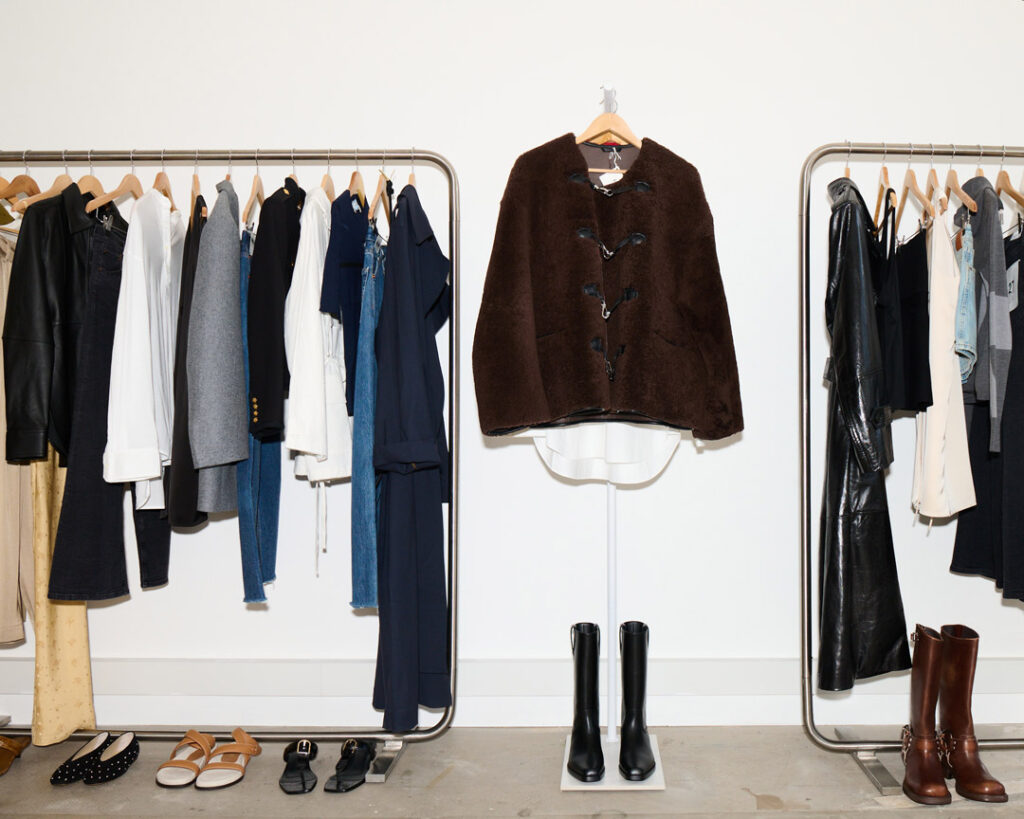
Temporary spaces, limited-run retail, and short-term store formats naturally meet this demand. They reduce risk, accelerate insight, and allow brands to test new products, markets, or audiences with minimal commitment.
This is why adaptive formats are gaining relevance in the mid-market: they offer the ability to move now, not next season.
Experience-Led Retail Isn’t Optional Anymore
Even value shoppers want experience. Consumers are spending more intentionally, but they’re still showing up for:
- Immersive spaces
- Community-driven retail
- Limited-edition drops
- Brand storytelling that feels real rather than polished
- Wellness-led or purpose-driven environments
Pop-ups and showrooms, especially those supported by design-forward rental furniture, allow brands to dial up creativity, narrative, and aesthetic impact without high build costs or environmental waste. Temporary formats give them the room to be bold and trial new directions.
Sustainability and Circularity
The report reinforces what many brands already know: sustainability is no longer a nice-to-have; it’s operational. But in a period of cost pressure, the focus is shifting toward practical sustainability:
- Reuse rather than rebuild
- Lower-waste production
- Modular, multi-purpose environments
- Smarter resource allocation
The FoundPop model directly aligns with this shift. Rental furniture reduces unnecessary manufacturing, supports circular design practices, and enables premium environments without the environmental cost of single-use builds. For agencies and producers, it also reduces pressure on budgets and timelines, crucial at a moment when teams must deliver more with less.

The Rise of Tech-Enabled, Human-Centred Retail
AI, automation, and digital personalisation are reshaping how brands operate, but the physical store remains a powerful touchpoint. The report notes that hybrid retail, where digital discovery meets physical experience, is becoming the norm.
Temporary retail formats allow brands to sync these worlds:
- Data-led neighbourhood testing
- OOH-style retail storytelling
- Integrated digital experiences inside temporary stores
- Community-first moments that strengthen loyalty beyond the screen
As budgets tighten and digital channels become saturated, physical spaces regain their role as high-conversion brand theatres.
Why This Matters
For founders, CMOs, retail directors, agencies, and producers, these trends point to a clear takeaway:
The brands that will win in 2026 are the ones that stay agile, design-led, and experience-driven — without locking themselves into legacy models.
Temporary retail, supported by sustainable and premium rental furniture, offers exactly that:
- Flexibility to move quickly, test ideas, and adapt
- Cost-efficiency without sacrificing aesthetic impact
- Sustainable choices that align with consumer values
- High-quality design that elevates brand presence
- Speed to meet cultural, trend, and commercial moments
- Scalability across regions, seasons, and audiences
In a market defined by uncertainty, pop-ups and showrooms are not a temporary fix. They’re becoming the strategic core of how brands show up.
The Bottom Line
The State of Fashion 2026 report doesn’t just describe an industry under pressure; it describes an industry being re-shaped. The winners won’t be the biggest brands, but the most adaptable ones and the brands that can create impact quickly, reduce waste, serve value-driven shoppers, and deliver memorable experiences.
Temporary retail formats, powered by design-led, sustainable furniture rentals, sit squarely in this opportunity space.
If fashion is entering a new reality, agile retail is how brands will navigate it.
Get started with our 3D Space Planner or send us your floor plan — we’ll help you get ready to launch. For more activation inspiration and expert tips, subscribe to POP-ID.