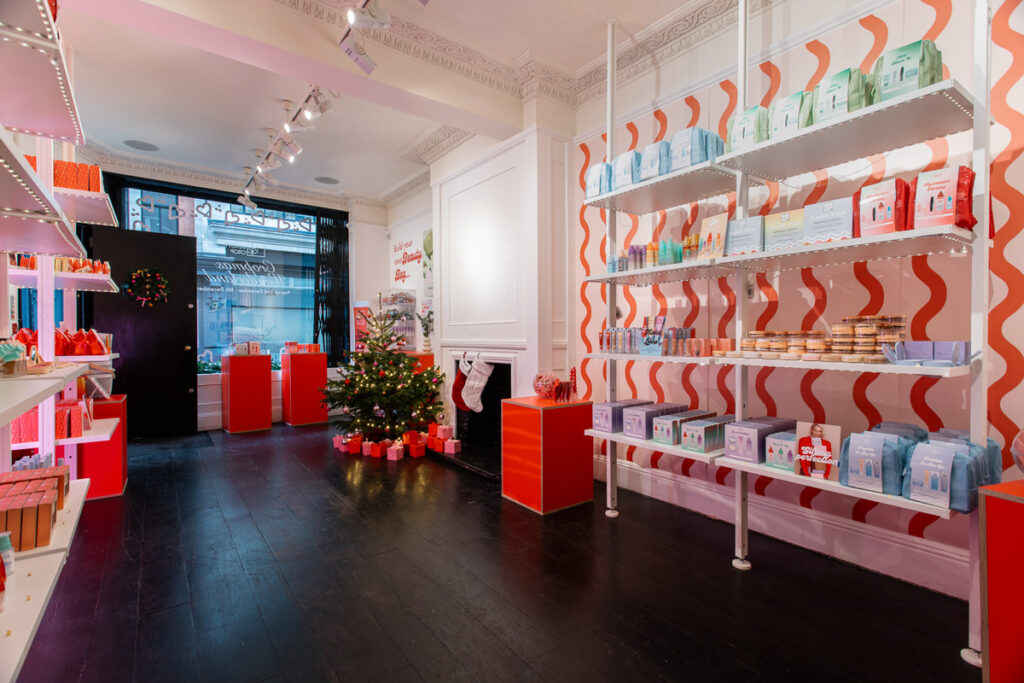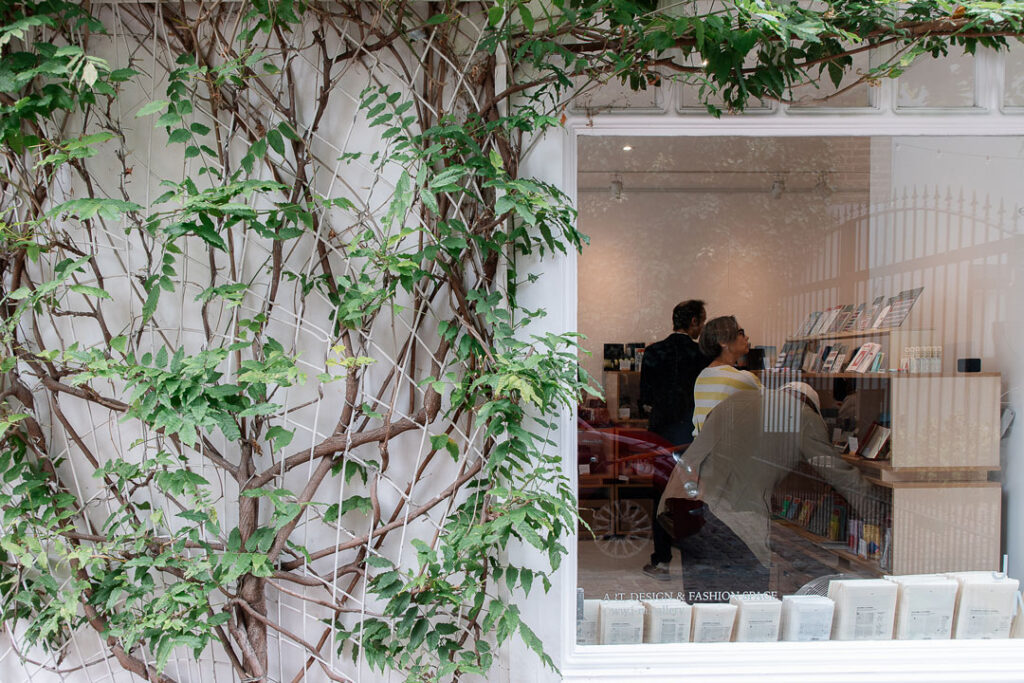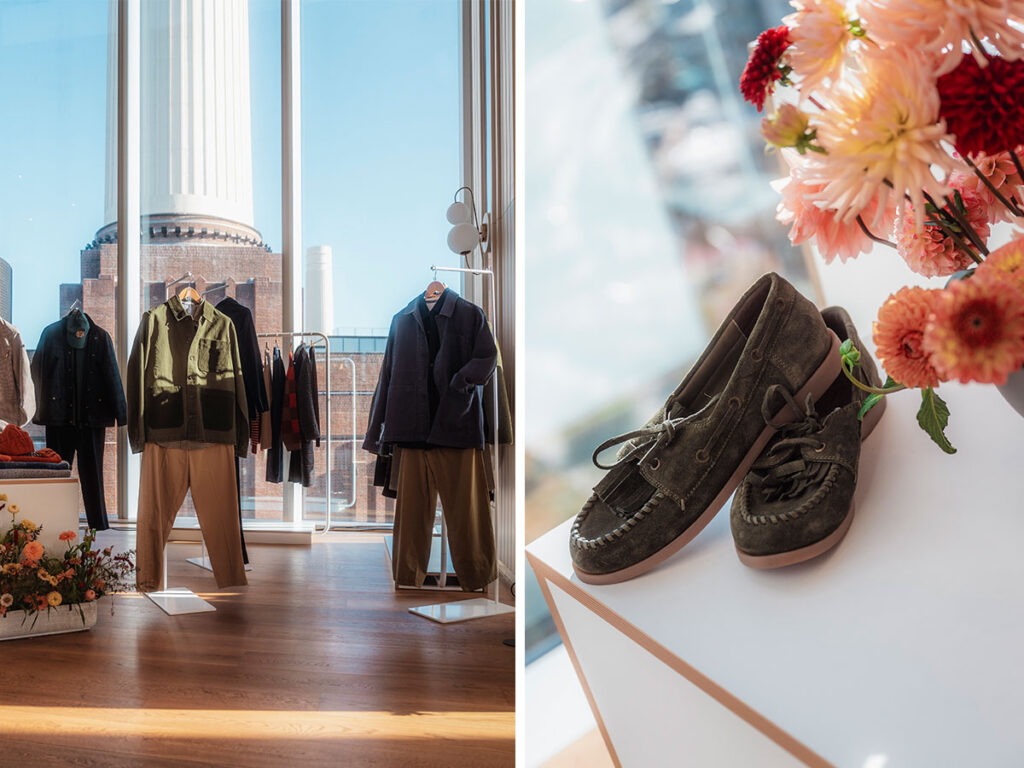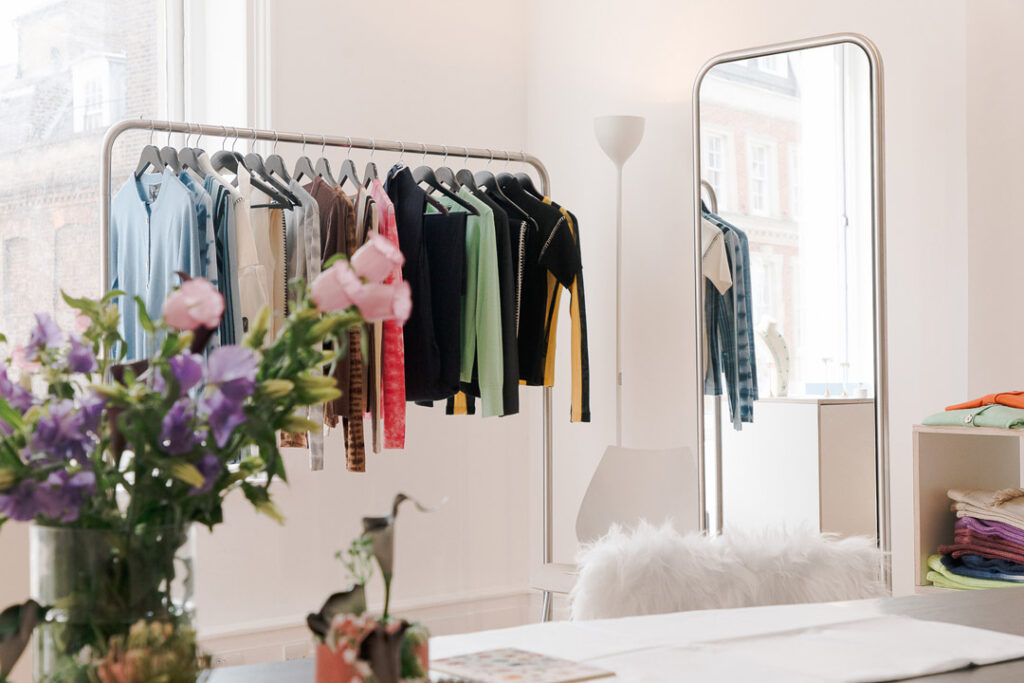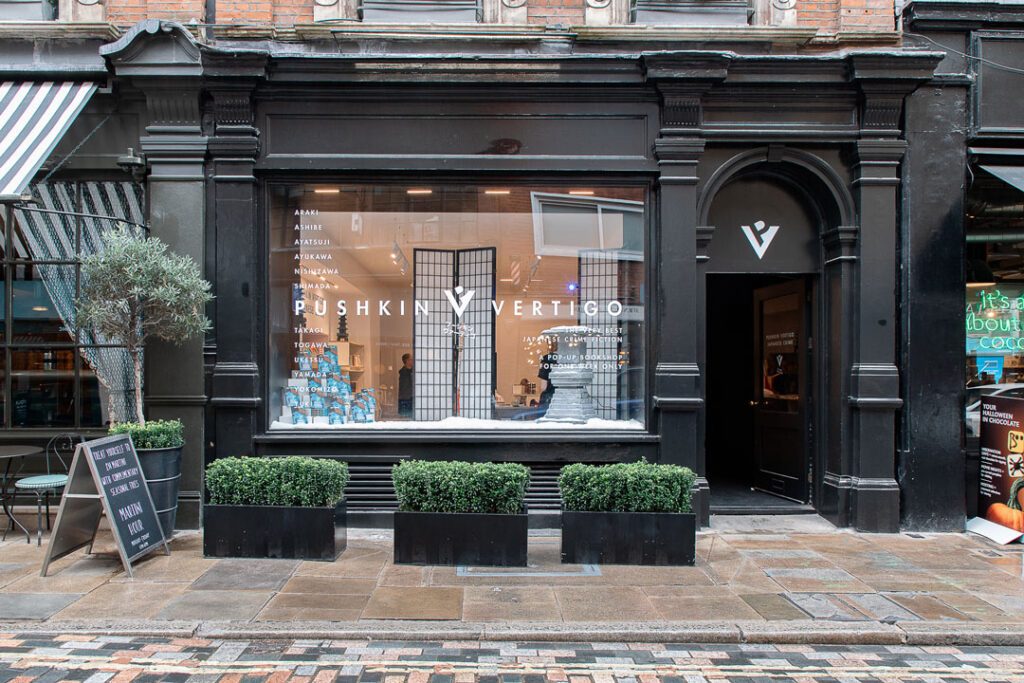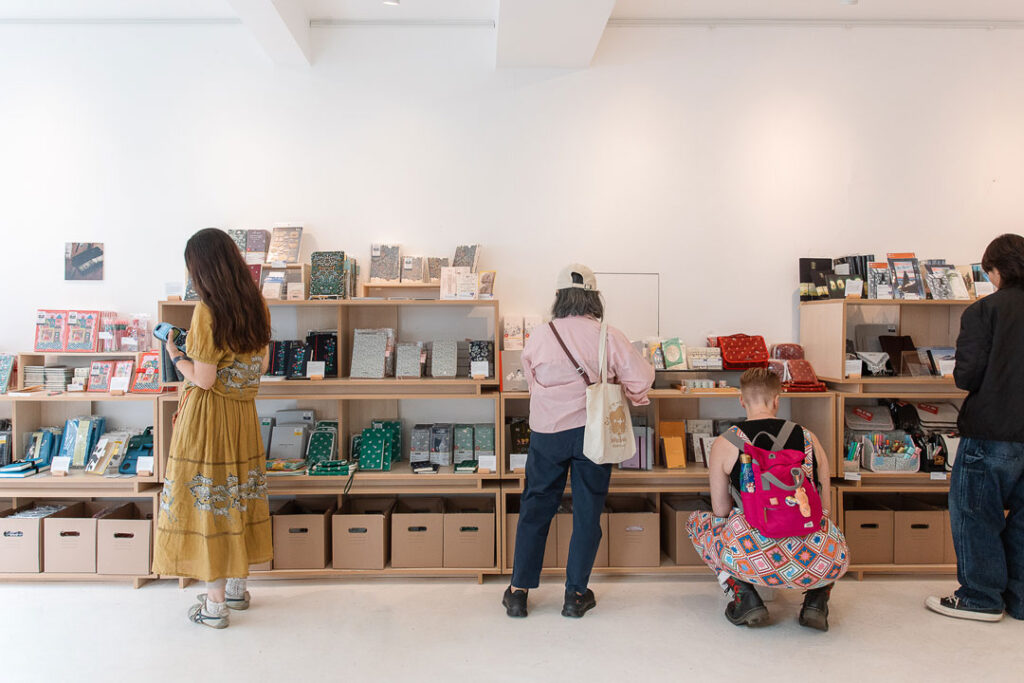

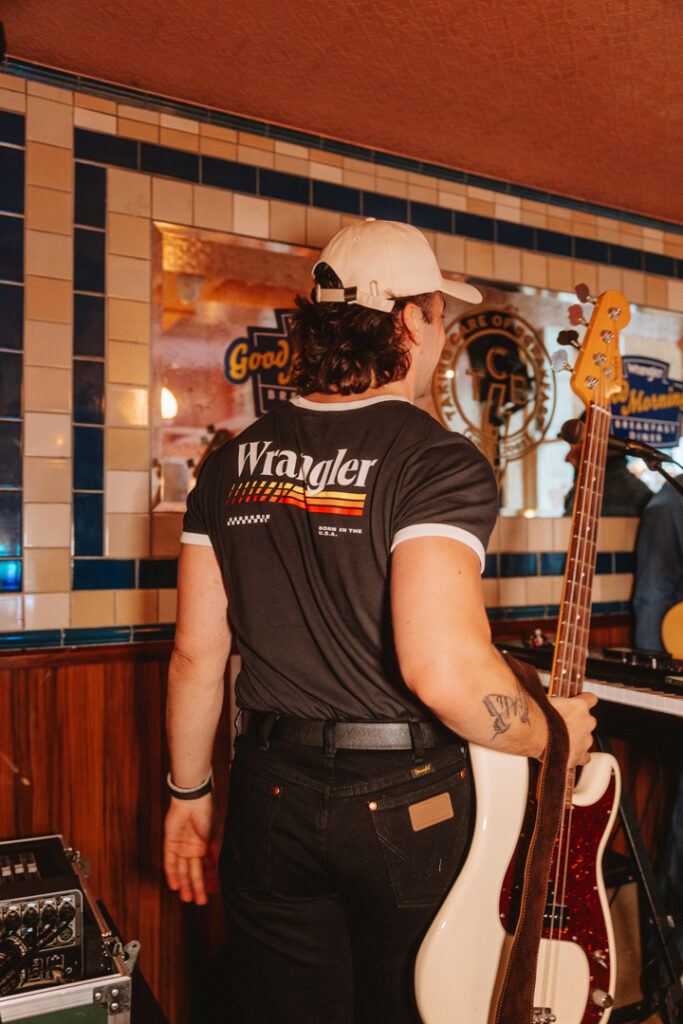
Photography of Wrangler by 22×43 Creative
Most activations are still measured by how many people come in. Footfall, content output, conversion. But that only explains the first moment of attention, not what holds it.
There is a point in every physical experience where attention either drops or deepens. Dwell time sits in that space. Not as a standalone metric, but as an outcome of how people feel, move and interact once they are inside a space.
For brands and producers, the gap between entry and exit is becoming more telling than the entry itself. What happens in between is where the quality of an activation is increasingly defined.
From Footfall to Behaviour
For a long time, high-performing activations were judged on what could be easily measured. Footfall, content output, conversion speed. If people arrived and the space felt busy, the experience was considered successful.
But that only describes entry, not engagement.
What happens after someone walks in is harder to quantify, but far more revealing. It shows whether a space is simply being used, or whether it is holding attention in a way that feels natural rather than forced.
This is where dwell time becomes useful. Not as a standalone KPI, but as a signal of behaviour inside the experience.
It reframes the question from how many people arrived, to what actually held them once they did.
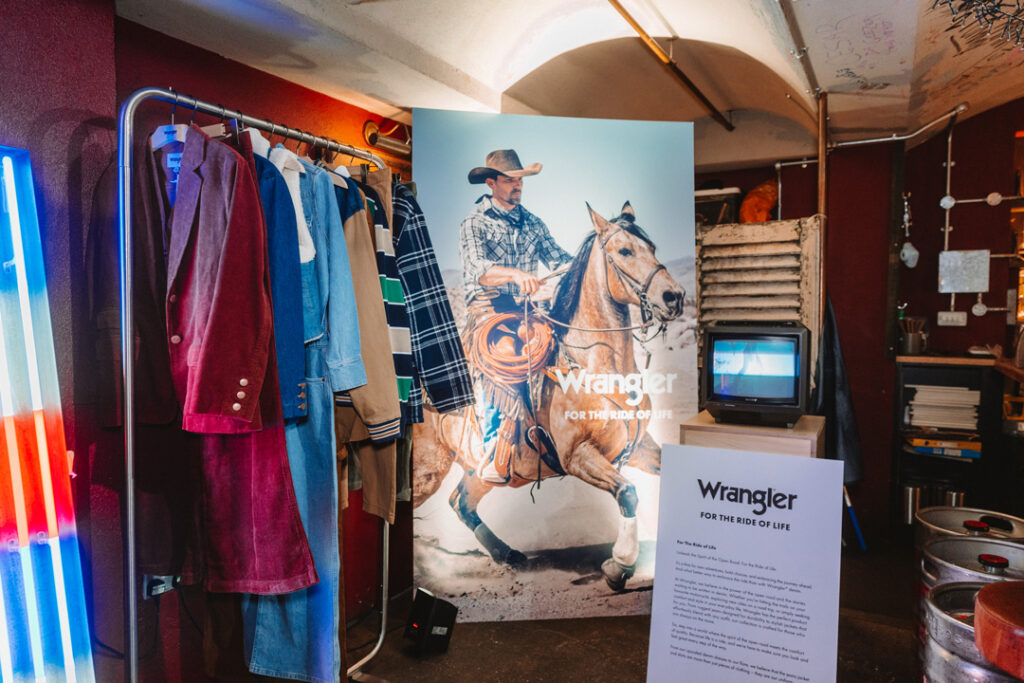
The Conditions That Extend Time
In most high-performing activations, dwell time is not created by one element. It is built through a set of conditions that shape how people behave once they are inside a space.
It is less about adding features, and more about removing friction.
Seating as permission to stay
Seating changes what people feel allowed to do. Without it, visitors tend to move continuously. With it, they pause. Not because they have been instructed to, but because the environment supports it. Even minimal seating shifts the rhythm of a space from passing through to staying.
Gathering points that create natural gravity
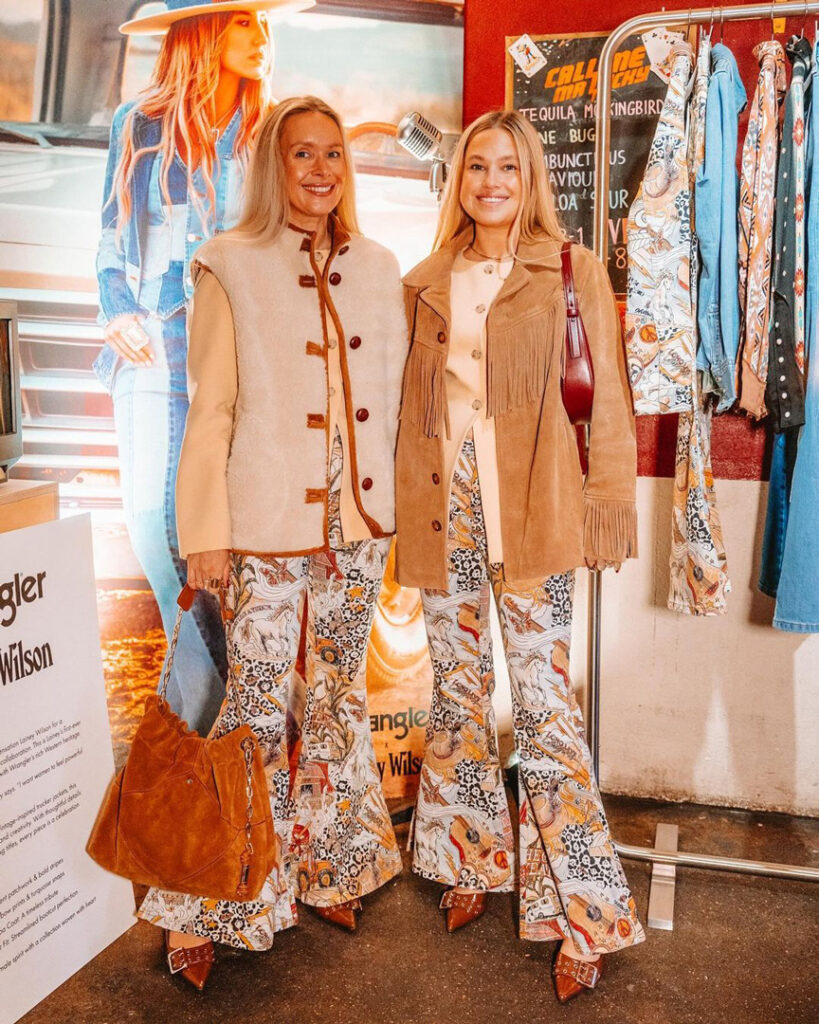
The most effective spaces always have informal anchors. A product table, a workshop moment, a tasting area, a conversation corner. These are not always designed as focal points, but they become them. People cluster, talk, and stay longer when they are part of something shared rather than moving alone.
Interaction that slows behaviour
Interaction is not about entertainment. It is about delay. When people can touch, try, ask, compare or contribute, they naturally spend more time inside the experience. Even small moments of participation change pace, because they require attention rather than observation.
Flow that removes urgency
The strongest spaces do not feel like they need to be “completed”. There is no obvious start or finish point. That lack of urgency is important. It removes the pressure to move on and allows people to settle into their own pace.
Designing for Flow, Not Just Layout
When these conditions work together, something subtle happens. The space begins to regulate its own pace.
People slow down without being directed. They explore more deeply. They stay longer, not because they are being held, but because nothing is pushing them out.
The most effective activations are rarely defined by complexity. They are defined by ease. How simple it is to stay, look, talk, and return to something again.
Why Dwell Time Matters Now
As attention becomes more fragmented and audiences become less responsive to instant gratification, dwell time is being re-evaluated. Not as a secondary metric, but as an indicator of whether an experience is working beyond first impression.
It does not replace existing KPIs. Footfall and conversion still matter. But it adds context to them, showing what those numbers miss: engagement over time.
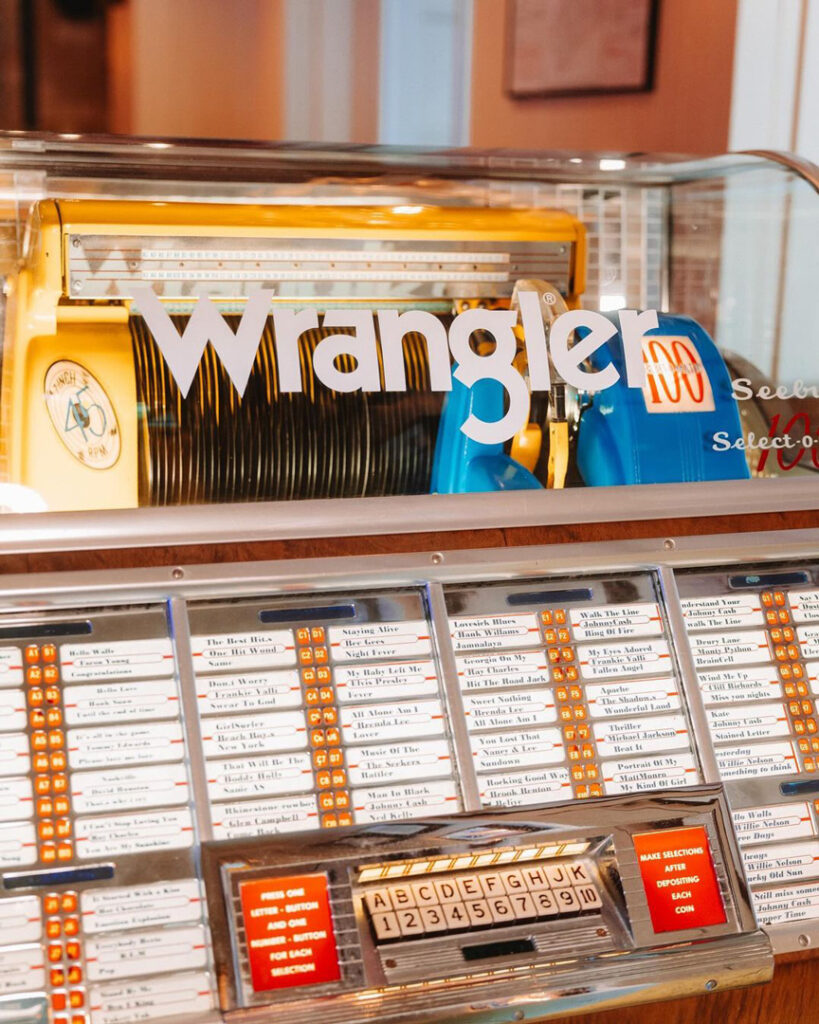

The Takeaway
Dwell time is not just a measure of how long someone stays in a space. It is about how naturally people are able to exist within it once they arrive. Some environments encourage constant movement. Others allow for conversation and return. The difference is subtle but significant, and it is often shaped by small spatial decisions rather than large creative gestures. A place to sit without needing to justify stopping. A moment of interaction that is optional, not required.
When those conditions align, something shifts. People stop moving through a space and start moving within it. They stay longer without planning to. They return to things they have already seen. They engage more deeply, not because they are being directed to, but because nothing is forcing them to leave.
This is where dwell time becomes more than a metric. It stops being a number used to measure performance after the fact, and becomes something closer to a design outcome. A reflection of whether a space is simply functioning, or whether it is actually holding attention in a meaningful way.
In that sense, the most effective activations are not defined by how much they show people, but by how long they allow people to stay inside the experience before it lets them go.
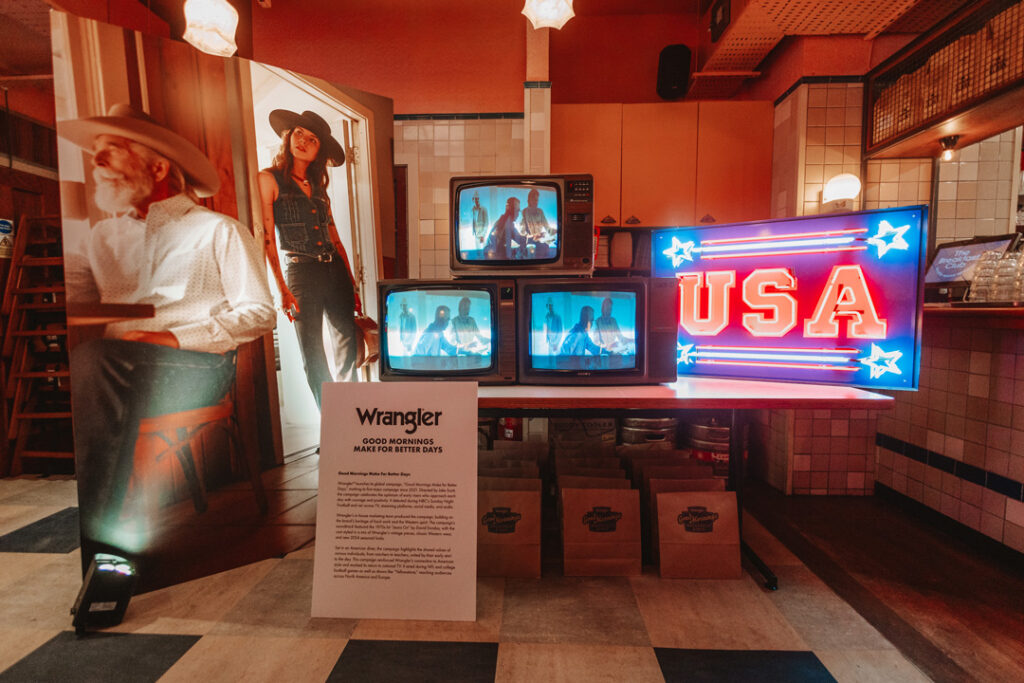
FAQ: What Producers and Brands Are Asking
What drives dwell time in physical retail and activations?
Dwell time is shaped by multiple factors working together. Seating, flow, interaction points and social comfort all influence how long people choose to stay. It is less about one feature, and more about how the space behaves as a whole.
Is dwell time more important than footfall?
No. Footfall still measures reach and awareness. Dwell time adds depth, showing what happens once people enter the space and how meaningfully they engage.
How do you design a space that increases dwell time?
By reducing friction. Create places to pause, moments to interact, and layouts that do not force constant movement. The goal is to make staying feel natural, not encouraged.
What role does seating play in activations?
Seating changes behaviour. It turns movement into pause and gives people permission to stay longer without needing a defined reason.
How do you create interaction without forcing participation?
Through optional engagement. Product testing, informal demonstrations and open-ended discovery work best when they are available, not required.
What makes people leave a space quickly?
Overly rigid layouts, lack of comfort, and transactional environments. If a space only supports movement or purchase, people tend to exit faster.
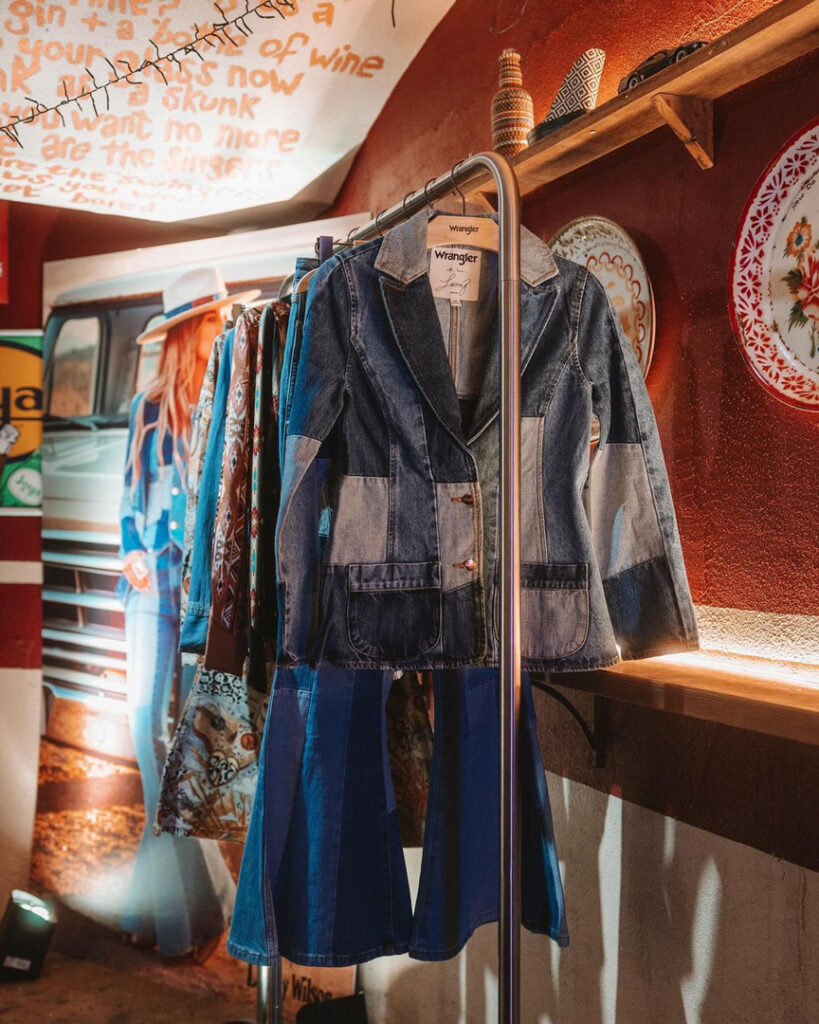
Looking to launch your own showroom or summer residency?
FoundPop helps brands, agencies and founders bring physical experiences to life through flexible retail spaces, sustainable event furniture hire and design-led retail support across London and beyond.
Get a feel for FoundPop with our 3D Space Planner and request a quote to design your next IRL experience.